
Upgrade Your System with High-Precision Brass Needle Valves
Let's be honest when everything's running smoothly, nobody really thinks about valves. They're just there, doing their job quietly in the background. But the moment something starts leaking or your flow control goes haywire? Suddenly, everyone's an expert on valve quality.
I've seen it happen too many times. A plant manager tries to save a few bucks on components, thinking "a valve is a valve," only to deal with constant adjustments, leaks, and downtime later. Trust me, cutting corners on precision components rarely works out the way you hope.
Why Flow Control Matters More Than You Think
Here's a scenario that might sound familiar: Your chemical line is running, everything looks fine, but the flow rate is off by just a tiny bit. You figure it's close enough, right?
Wrong.
Those small inconsistencies? They compound. Fast. Before you know it, you're looking at inconsistent product batches, higher energy bills, and maybe even some serious safety issues. And suddenly that "cheap" valve doesn't seem like such a bargain anymore.
This is exactly why needle valves exist and why the smart money is on upgrading to quality brass ones.
What Actually Makes Needle Valves Different?
Okay, so here's the deal with needle valves. Imagine trying to adjust your volume with just an on/off button versus having an actual volume knob. Frustrating, right?
That's basically the difference between regular valves and needle valves.
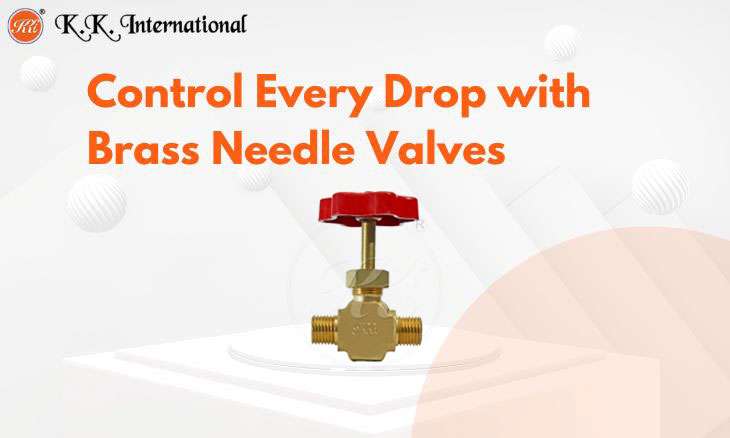
Needle valves have this tapered, pointed plunger hence the name that lets you make super fine adjustments. We're talking millimeter level precision here. You can dial in exactly the flow rate you need, then lock it in place.
The Brass Advantage (And Why It Still Matters)
You might be wondering with all the fancy materials out there today, why are people still using brass?
Fair question. Here's the straightforward answer: brass just works.
It doesn't rust when it gets wet. It doesn't crack when temperatures swing. It doesn't react with most chemicals you'll run through it. And here's the kicker brass valves from 30 years ago are often still working perfectly today.
Sometimes the old-school solution is old-school because it's actually the best solution. When you buy brass needle valves, you're not gambling on some new material that might work out. You're investing in something proven.
Good news: upgrading doesn't mean shutting everything down for a week. Most facilities handle it during regular maintenance windows without any major disruption.
And here's something interesting I talked to a facility manager last month who switched to precision brass needle valves in their cooling system. They cut refrigerant use by 12% and got better temperature control throughout the building. The valves literally paid for themselves in under six months.
That's not unusual, by the way. When you improve efficiency at the component level, the savings add up faster than you'd expect.
If you're tired of babysitting finicky valves, if you want components that just work without constant attention, or if you're ready to actually control your flow rates instead of approximating them it's time to look at what quality brass needle valves can do.
KK International makes precision brass needle valves that industrial professionals actually trust. They're built to last, engineered for real world precision, and designed to make your job easier, not harder.


