
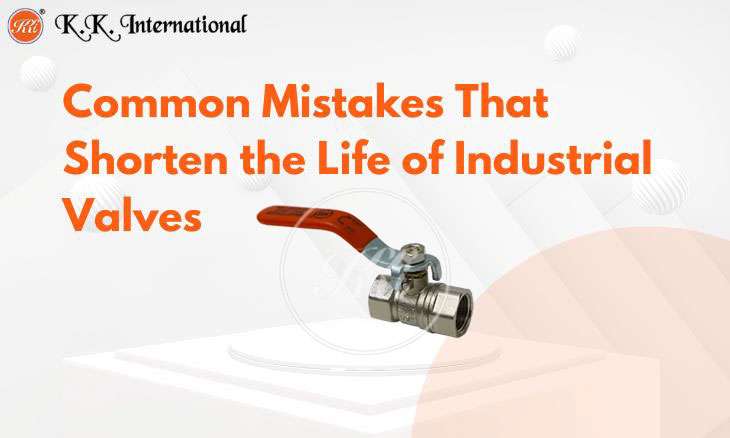
How to Choose the Right Ball Valve for High-Pressure Systems
Picking a ball valve sounds like it should be simple. It's just a piece that opens and closes flow, right? Except anyone who's dealt with a valve failing under real pressure knows it's rarely that straightforward. A valve that works fine on a low-pressure water line can fail spectacularly the moment you put it into an industrial system running oil, gas, or chemicals at higher pressure. And when that happens, it's not just an inconvenience, it's downtime, repair costs, and sometimes a genuinely dangerous situation depending on what's running through the line.
So if you're specifying or buying valves for a high-pressure setup, here's what actually matters, beyond just grabbing whatever's labeled "industrial" on the shelf.
Start With the Material, Because It Decides Everything Else
This is where most people should be spending the bulk of their attention, honestly. The material a valve is made from determines how it handles pressure, temperature swings, and whatever fluid or gas is actually passing through it. Brass shows up constantly in industrial valve applications for good reason. It holds up under high pressure without deforming, it resists corrosion from water, oil, and a range of chemicals, and it doesn't degrade the way weaker alloys do after months of constant use.
A valve like the Brass Ball Valve Industrial from KK International is built specifically around this idea, using premium brass construction that's meant to take the punishment high-pressure systems dish out day after day. If you're comparing options and one's noticeably cheaper, it's worth asking what corner got cut to get there, because with valves, that corner usually shows up as a failure point later.
Know Your Actual Pressure Rating Before You Buy Anything
This sounds obvious, but it gets skipped more often than you'd expect. Every valve has a maximum pressure rating it's built to handle, and buying based on "it looks industrial enough" instead of the actual numbers is how systems end up with a weak link nobody accounted for. Pull the real operating pressure of your system, including any pressure spikes that happen during startup or shutdown, not just the average running pressure, and match the valve to that number with some margin to spare.
Cutting it too close to a valve's rated limit isn't really saving money. It's just moving the cost further down the line to whenever that valve eventually gives out.
Think About What's Actually Flowing Through It
Water, oil, gas, and chemical applications don't all put the same kind of stress on a valve, even at the same pressure level. Some fluids are more corrosive, some run hotter, some carry particulates that wear down internal components faster than a clean fluid would. Before choosing a valve, get specific about what's actually running through your system, because a valve that's perfectly suited for water distribution might not hold up nearly as well in a chemical processing line, even if the pressure numbers look similar on paper.
This is really where brass earns its reputation. It handles this range of applications, water, oil, gas, chemical, better than a lot of alternatives, which is part of why it shows up so consistently across industrial setups instead of needing a different valve material for every application.
BSP Threading and Why Connection Type Actually Matters
It's easy to focus entirely on the valve body and forget that the connection method matters just as much for a leak-free, high-pressure system. BSP threading is widely used because it creates a reliable, consistent connection to pipelines, and getting this wrong, even slightly, is one of the more common ways a high-pressure system develops a leak right at the joint rather than anywhere inside the valve itself.
Before ordering, confirm that the valve's threading actually matches your existing pipeline setup. It's a small detail that causes a disproportionate amount of trouble when it's overlooked.
Manual or Automated: Match It to How the System Actually Runs
Not every high-pressure system needs the same kind of control. If you're dealing with a setup that requires frequent, precise adjustments or needs to integrate into a larger automated process, an automated valve setup is going to serve you better than manually operating something dozens of times a day. On the other hand, plenty of industrial applications genuinely don't need that complexity, and a reliable manual valve does the job just fine without the added cost and maintenance that comes with automation.
The mistake here usually isn't picking the wrong type entirely, it's over-engineering a simple application or under-equipping one that actually needed automated control. Worth thinking through honestly before you order, rather than defaulting to whatever's already being used elsewhere in the facility.
Ease of Installation Isn't Just a Convenience Thing
On a high-pressure system, installation quality directly affects how well the valve performs once it's live. A valve designed for straightforward, secure BSP connection reduces the chances of installation errors that create weak points down the line. This matters more in high-pressure environments than it does elsewhere, since even a small installation flaw that would be harmless at low pressure can turn into a real leak or failure point once the system's under real load.
Don't Underestimate Long-Term Maintenance Needs
A valve that's harder to maintain ends up costing more over its lifespan, even if the upfront price looked reasonable. Corrosion-resistant brass construction cuts down significantly on how often a valve needs attention, and that matters a lot in industrial settings where shutting down a line for maintenance isn't a quick or cheap process. When you're comparing valves, it's worth factoring in not just the purchase price but what you'll realistically be spending on upkeep and replacement over the next several years.
Bringing It All Together
Choosing the right ball valve for a high-pressure system really comes down to matching the material, pressure rating, application, and connection type to what your system actually demands, rather than picking based on price alone or assuming any valve labeled "industrial" will do the job equally well. A well-built brass valve, properly matched to your pressure requirements and fluid type, is going to outperform a generic option by a wide margin, especially over years of continuous use.
If you're specifying valves for oil, gas, water, or chemical applications and want something built specifically to handle heavy-duty, high-pressure demands, the Brass Ball Valve Industrial from KK International is designed around exactly this kind of use case.
Not sure which valve specs fit your system? Reach out to the KK International team directly, they can help you match the right valve to your actual operating conditions before you order.


