
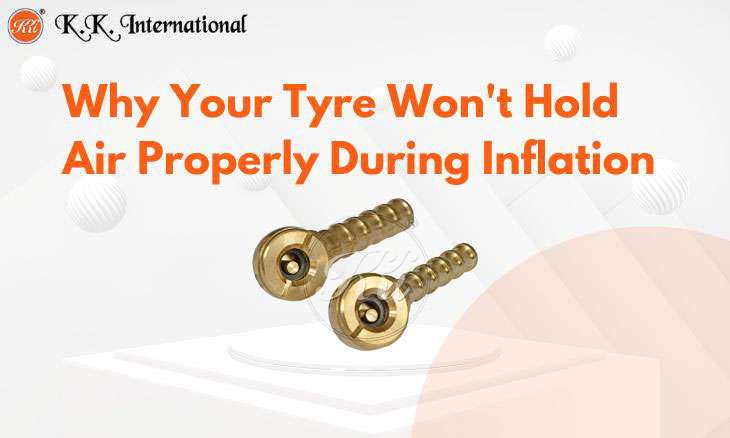
What Makes an Air Chuck Reliable for Daily Professional Use
Anyone who's worked a full day in a garage or service station knows this part gets used more than almost anything else on the floor. Every tyre that comes through, every quick top-off, every roadside call, it all runs through the air chuck at some point. And because it's such a small, simple-looking tool, it's easy to underestimate just how much wear it actually takes on over the course of a single week, let alone a year of daily use.
So what actually separates an air chuck that holds up under that kind of pressure from one that starts giving you trouble after a few months? It's not just about picking whatever's cheapest at the counter. Let's break down what actually matters.
Build Quality Isn't Optional Here
This sounds obvious, but it's worth saying plainly: an air chuck used once a week at home and one used fifty times a day at a service station are not living the same life. The one at the shop is getting dropped, connected and disconnected constantly, exposed to grime, oil, and whatever else is floating around a working garage floor. If it's not built from durable, high-quality materials from the start, it's not going to survive that kind of routine.
A well-built air chuck should feel solid in your hand, not flimsy or hollow. That weight and construction usually says a lot about whether it's going to hold up to daily professional use or end up in the bin after a couple of months.
A Reliable Seal, Every Single Time
Here's the thing about air chucks that a lot of people don't think about until it's a problem: if the seal isn't consistent, you're wasting time and air on every single tyre. A chuck that leaks even slightly when it's clipped onto the valve means the technician's standing there longer than they need to be, air's escaping instead of going into the tyre, and honestly, it just feels off when you're using it.
For daily professional use, that seal needs to be dependable every time, not just when the chuck is brand new. That consistency, tyre after tyre, day after day, is really one of the clearest signs of a well-made tool versus a mediocre one.
Speed of Inflation Actually Matters More Than People Realize
In a shop environment, time adds up fast. A chuck that delivers air smoothly and quickly isn't just a nice feature, it directly affects how many vehicles you can get through in a day. A sluggish or inconsistent chuck slows down every single job just a little bit, and multiply that across dozens of tyres a day and it becomes a real difference in productivity by the end of the week.
This is one of those things that's hard to appreciate until you've used a genuinely fast, reliable chuck next to a mediocre one. The difference is noticeable almost immediately.
Safety Features That Actually Do Something
Over-inflation isn't just a minor mistake, it's a real safety concern, both for whoever's handling the tyre and for the vehicle it's going onto. A dependable air chuck should have some kind of built-in safeguard that helps prevent this from happening by accident, especially during quick, repetitive use when it's easy to lose track of exact pressure in the moment.
This matters even more in a professional setting where the same person might be inflating dozens of tyres back to back. A chuck that helps prevent over-inflation isn't just convenient, it's genuinely protecting against a mistake that becomes more likely the more repetitive the work gets.
Compatibility With Different Valve Types
A garage doesn't just work on one type of vehicle, and a reliable air chuck needs to reflect that. Whether it's a car, a bike, or a truck coming through the bay, the chuck should fit standard tyre valves without needing a different tool for every vehicle type that rolls in. Having to swap chucks constantly throughout the day isn't just inconvenient, it slows everything down and adds one more thing that can go wrong or get misplaced.
Versatility here isn't a luxury feature. For a shop handling multiple vehicle types daily, it's basically a requirement.
Handling Repeated Use Without Falling Apart
This is really the core of what "reliable for daily professional use" actually means. It's not about how the chuck performs on day one, it's about how it performs on day two hundred. Connectors wear down, seals degrade, and cheaper builds start showing their limits fast under constant use. A chuck that's genuinely built for professional environments should still feel and perform the same after months of daily use as it did when it was new.
If you're noticing a chuck getting harder to clip on, slower to inflate, or starting to leak air after a relatively short period, that's usually a sign the build quality wasn't there to begin with.
Why This Small Tool Deserves More Attention Than It Gets
It's easy to focus budget and attention on bigger equipment, compressors, lifts, diagnostic tools, and treat something like an air chuck as an afterthought. But in a shop that's running tyres through constantly, this small part gets more daily use than almost anything else on the floor, and its reliability directly affects both efficiency and safety on a daily basis.
A dependable air chuck, built with proper materials, a consistent seal, and safeguards against over-inflation, isn't just a convenience. It's one of those tools that quietly keeps a shop running smoothly, and its absence becomes obvious fast the moment a cheaper alternative starts failing mid-shift.
Looking for an air chuck that's actually built to handle daily professional use without cutting corners? Get in touch with the KK International team, they can help you find the right fit for your garage or service station.


