
Common Mistakes That Shorten a Ball Valve's Lifespan
A good brass ball valve is supposed to last for years without any drama. That's the whole point of buying one, really, it's simple, it's solid, there shouldn't be much that goes wrong if it's treated the way it's meant to be treated. And still, valves fail early constantly, way before they should, and it's almost never because the part itself was bad. Nine times out of ten it's something that happened during install or during regular use that nobody even noticed at the time.
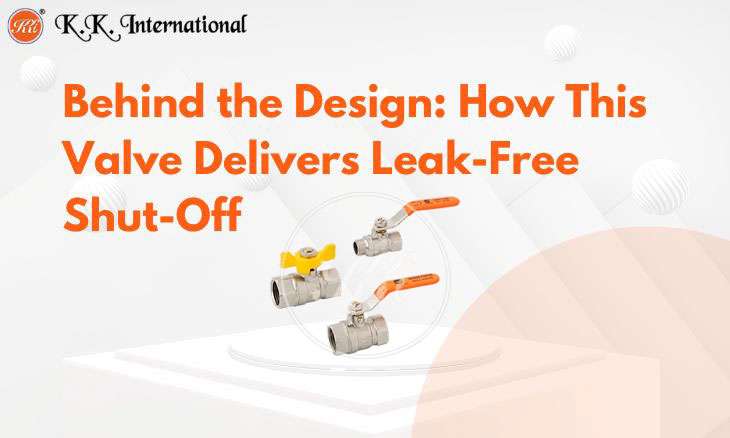
So if you've got a Brass Ball Valve (Butter & Handle) from KK International on a job, or honestly any decent ball valve, here's where things usually go sideways, and how you avoid being the reason yours dies early.
Cranking It Down Too Tight During Install
This is easily the most common one, and it happens because people assume tighter has to mean more secure. With a ball valve, that's not really how it works. Tightening the handle side or the threaded connection way past what's needed can actually damage the internal seals or put stress on the threading in a way that shows up as a leak later, not always right away either, sometimes it's months before it becomes obvious.
Hand-tighten it first, then bring in the wrench and finish with reasonable force. If you find yourself putting your whole body into tightening a valve, that's usually a sign something's already off, not proof you're doing it correctly.
Treating It Like a Throttle Instead of an On/Off Switch
Ball valves have one job really, fully open or fully shut. That's the design, full stop. But plenty of people use them the way they'd use a gate valve, cracking it partway to try and control flow somewhere in between. Do that regularly and you wear down the ball and seat way faster than you would with normal use, since the valve was never built to handle fluid forcing its way past a half-blocked opening for long stretches.
If flow control is what you actually need, that's a different valve's job entirely. A ball valve might tolerate being used that way for a while, but every time it happens, you're chipping away at how long it's going to last.
Forcing a Handle That's Gone Stiff
When a handle that used to turn smooth suddenly feels stiff, that's it telling you something's up, and muscling through it isn't the fix. Could be mineral buildup, could be debris that's worked its way in, could just be wear starting to show. Whatever's causing it, forcing the handle harder tends to speed up whatever's already going wrong on the inside, and it can straight up damage the stem or the handle assembly if you push too hard.
If a valve that used to turn easy is suddenly gritty or hard to move, that's worth stopping and actually looking into before you keep cranking on it the same way you always have.
Letting It Sit Untouched for Way Too Long
Here's one that catches people off guard. A valve left in one position, usually wide open, for months or years without ever getting cycled can seize up or develop mineral buildup around the ball that makes it a nightmare to move when you finally need it to close. These things aren't designed to be installed and then forgotten about forever.
Running it through a full open and close every once in a while, even if there's no real operational reason to move it, keeps it working the way it should and lets you catch a problem while it's small instead of finding out the hard way during an emergency shut-off, which is exactly when you don't want surprises.
Brushing Off a Small Leak Because It Seems Like Nothing
A tiny drip near the valve body or the handle doesn't feel like an emergency, so it gets ignored, sometimes for months at a stretch. But small leaks basically never stay small. It's usually the first sign a seal's starting to give, and that kind of failure gets worse with continued pressure and use, not better on its own. What looks like a barely-there drip today can turn into an actual leak affecting system pressure, or worse, a safety issue depending on what's running through that line.
Catching it early, whether that means a simple tightening or eventually swapping the valve out, beats dealing with it once it's already a real problem by a mile.
Using a Valve That Isn't Built for the Job
Not every ball valve is made the same, and putting one rated for water into a gas or chemical setup, or the other way around, is a mistake that can wreck its lifespan fast or create genuine safety risks. Material compatibility with whatever's actually flowing through matters just as much as the pressure rating does. A valve can be fully installed and technically functioning and still be completely wrong for what it's doing.
Before it goes in, it's worth confirming the valve you're holding is actually rated for the application, water, oil, gas, chemical, whatever it is, instead of just grabbing whatever's within reach because the threading happens to match.
Not Accounting for Where It's Actually Installed
Valves sitting outdoors, in damp environments, or in industrial settings dealing with chemicals or extreme temps wear down differently than ones tucked away indoors somewhere controlled. If a valve's headed into a rough environment, that needs to factor into both the quality of material you're choosing and how often you're checking on it, rather than assuming it'll hold up exactly the same as one installed somewhere easier.
Good brass handles these tougher conditions a lot better than cheaper materials will, but even solid brass benefits from a periodic check-in if it's dealing with harsher conditions on a regular basis.
Why It All Adds Up the Way It Does
None of these mistakes tend to take a valve out overnight, and honestly that's part of the problem, it makes every single one easy to shrug off in the moment. A little overtightening here, a little forcing there, a few years of just sitting untouched, and suddenly a valve that should've had a decade left in it is failing in year three and nobody can quite pin down why. Usually it's not one big thing. It's a handful of small habits stacking up over time.
A solidly built valve, like the Brass Ball Valve (Butter & Handle) from KK International, with its brass construction and smooth-operating handle, is meant to give you years of dependable service. But even the best valve out there still needs to be installed, used, and looked after properly to actually hit that number. The part does its half. How it's treated does the rest.
Need a ball valve that's actually built to last, or want help figuring out which one fits your setup? Get in touch with the KK International team, they'll help you land on the right one for your application.


