
Hose Nut & Nipple Set: The Fix for Constant Leak Repairs
There's a specific kind of tired that comes from fixing the same leak more than once. You patch it, it holds for a few weeks, maybe a month if you're lucky, and then you're back under the same sink or crouched next to the same hose bib wondering why this one spot just refuses to stay sealed. Sound familiar? Usually that's not a technique problem. It's the fitting you keep repairing around, not you.
Most recurring leaks trace back to worn or mismatched connections rather than anything actually wrong with the hose or pipe itself. Once you start looking at it that way, honestly, the fix gets pretty obvious pretty fast.
Why the Same Spot Keeps Leaking, Again and Again
A connection leaking once? That's just wear and tear, nothing unusual. A connection leaking again after you already fixed it, and then again a few months later, that's a different story entirely. That's the fitting telling you it's degraded past the point where tightening or resealing does anything useful anymore. Threads wear down over time. Seals compress unevenly after enough tightening cycles. Cheap metal corrodes from the inside out in ways you won't notice until it's already failing on you.
Patching the symptom on repeat without ever touching the actual part is exactly how people end up calling something "just a leaky connection" for years, when really it needed swapping out ages ago.
What a Real Nut & Nipple Set Actually Solves
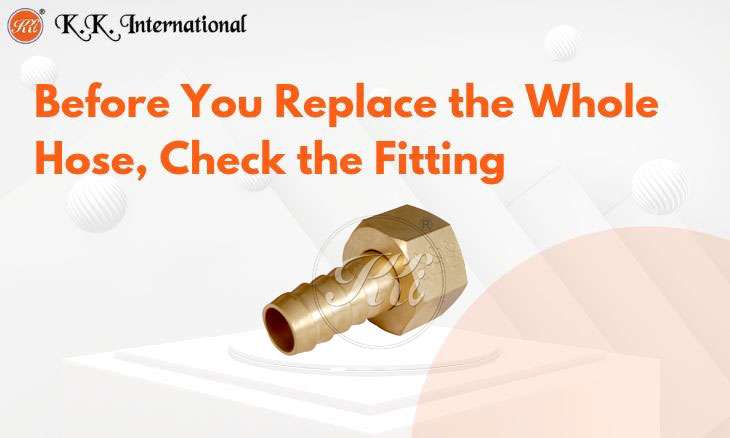
This is where something like the Hose Nut & Nipple Set from KK International changes things completely. Instead of working around a worn-out connection, you're replacing it outright with brass components built to hold a tight seal under repeated use, day after day. The nut and nipple work as a pair, creating a secure joint between hose and pipe that's actually designed to resist the gradual wear causing most of these repeat leaks in the first place.
That's not a patch. It's an actual fix, and sure, that sounds obvious spelled out like this, but it really is the whole difference between a leak gone for good and one that just goes quiet for a bit before it shows back up.
Brass Is the Reason the Repeat-Leak Problem Stops
A big chunk of why these connections keep failing comes down to material, plain and simple. Cheaper fittings corrode fast, especially anywhere exposed to constant moisture, which honestly describes nearly every plumbing or hose connection out there. Once corrosion starts eating into the threading, no amount of tightening or thread tape saves you. That seal's done.
Brass just doesn't break down the same way plastic or lower-grade metal does. That's really the whole reason this material keeps showing up in fittings meant to actually last, it holds its shape and its seal integrity for years instead of slowly wearing out every time someone touches the connection.
Installing It Right So It Actually Stays Fixed
Even a good fitting needs a proper install to actually end the leak for good. Clean the threads first, old sealant residue or corrosion flakes left behind will undermine a brand new fitting just as easily as an old one. Use the right thread sealant, hand-tighten to seat everything, then finish with a wrench without going overboard, since cranking too hard deforms the nipple and hands you a brand new leak while you're busy fixing the old one.
Worth double-checking the set actually matches your hose and pipe size too, before installing it. A mismatched size can seem fine at first glance and then give out under pressure once the system's actually running, which just restarts the whole cycle you were trying to kill.
Where This Set Actually Earns Its Keep
This isn't limited to one kind of leak. Works across residential and commercial plumbing, industrial hose and pipe systems, water and gas supply lines, hydraulic and pneumatic setups too, where a failed seal isn't just an annoyance but a genuinely expensive problem. Basically anywhere a hose meets a pipe and needs to stay sealed under regular use, this is the kind of fitting that actually holds its ground.
For contractors dealing with repeat callbacks on the same job, swapping in a proper brass set instead of just resealing the old one again is usually the difference between a job that's actually done and one you'll be back on in a few months.
Why This Beats Another Round of Patching
Resealing a worn fitting buys you a little time and a few more weeks before the same leak reappears. Replacing it outright costs a bit more upfront but actually kills the cycle for good. For anyone who's genuinely lost count of how many times they've sealed the same joint, that trade-off isn't even close.
Tired of fixing the same leak over and over? Reach out to the KK International team, they'll help you get a reliable Hose Nut & Nipple Set matched to your exact setup.


