
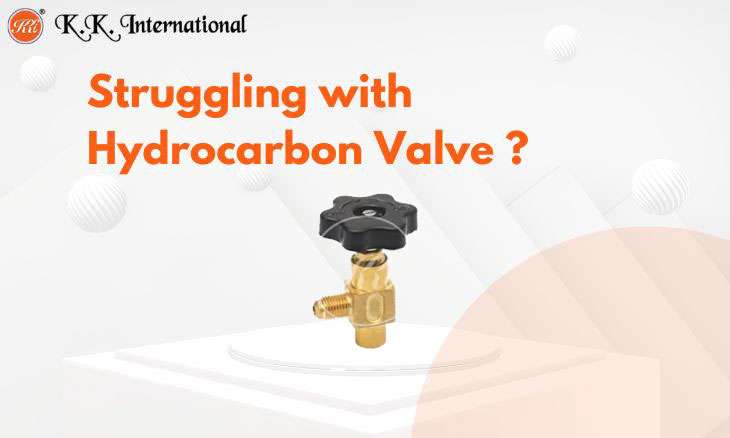
How to Choose the Right Hydrocarbon Valve for Your System
When was the last time you thought seriously about the valves in your hydrocarbon AC system? Not just grabbed whatever was available or whatever the supplier recommended without explanation but actually thought about whether what you're using is genuinely right for hydrocarbon refrigerant service?
If you're being honest, probably not recently. Maybe never.
And that's completely understandable. Valves are small components. They're not the flashy parts of an AC system. Nobody gets excited about valve selection the way they might about a new compressor or refrigerant technology.
But here's the reality: hydrocarbon refrigerants are fundamentally different from conventional refrigerants in ways that make valve selection genuinely important not just for system performance but for actual safety.
Getting this wrong isn't just an efficiency issue. It's a safety issue.
So let's actually talk about how to choose the right hydrocarbon valve for your specific system, properly and completely.
Why Hydrocarbon Refrigerants Are Different - And Why That Changes Everything
Before we get into valve selection, you need to understand what makes hydrocarbon refrigerants unique. Because the valve requirements flow directly from these characteristics.
Hydrocarbon refrigerants primarily R290 (propane), R600a (isobutane), and blends are increasingly common in modern AC systems. They offer excellent thermodynamic efficiency, very low global warming potential, and zero ozone depletion. From an environmental and performance standpoint, they're genuinely superior to many conventional refrigerants.
But they bring one significant characteristic that changes everything about how you handle them.
They're flammable.
Not mildly flammable. Genuinely flammable in the way that propane and butane — which is exactly what these refrigerants are — burn in your kitchen stove and camping gas. In sufficient concentration with an ignition source, hydrocarbon refrigerant leaks create fire and explosion risk.
This isn't a theoretical concern or regulatory overreaction. It's basic chemistry. Hydrocarbon refrigerants are flammable hydrocarbons, and they behave accordingly when they escape into the atmosphere.
Now think about what this means for every component that controls, contains, or connects hydrocarbon refrigerant in your system. Including the valves.
A valve that leaks in a conventional refrigerant system is an efficiency problem and an environmental concern. A valve that leaks in a hydrocarbon refrigerant system is a potential fire hazard.
This is why choosing the right hydrocarbon valve isn't optional or merely a best practice recommendation. It's a fundamental safety requirement.
What Makes a Valve "Right" for Hydrocarbon Service
This is the core question and the one most buyers don't get a clear answer to. Let's break it down into the actual factors that matter.
Material Compatibility
Not every metal or sealing material is appropriate for hydrocarbon refrigerant service. Certain materials degrade when exposed to hydrocarbons seals swell, harden, or lose their properties in ways that compromise containment.
Brass is the standard material for hydrocarbon refrigerant valves for good reason. It's compatible with hydrocarbon refrigerants, maintains its structural properties in the presence of these refrigerants, and provides the manufacturing precision that reliable sealing requires.
The KK International Hydrocarbon Valve uses premium brass construction specifically because brass is appropriate for hydrocarbon service not just generally durable, but specifically compatible with what you're actually putting through it.
Seal materials matter equally. The internal seals of a hydrocarbon valve need to be made from materials that maintain their sealing properties in contact with hydrocarbon refrigerants. Standard seal materials from conventional refrigerant valves may not qualify. Always confirm seal material compatibility with hydrocarbon refrigerants when evaluating any valve for this service.
Leak-Proof Construction to a Higher Standard
Every valve claims to be leak-proof. For hydrocarbon service, this claim needs to meet a higher standard than it would for conventional refrigerant service.
In conventional refrigerant systems, a very minor seepage — technically not zero leakage but negligible — might be acceptable from an operational standpoint even if not ideal. In hydrocarbon systems, any leak is a potential ignition source issue. The standard for leak-proof needs to be genuinely leak-proof, not approximately leak-proof.
This means tighter manufacturing tolerances on sealing surfaces. Higher quality seal materials with better compression set resistance. More rigorous quality control in production. These aren't just marketing differentiations they're engineering requirements for hydrocarbon service.
Pressure Rating Appropriate for the Application
Hydrocarbon refrigerants operate at specific pressure ranges depending on the refrigerant type and system design. Your valve needs to be rated for and comfortably exceed the operating pressures of your specific system.
This isn't just about normal operating pressure. It's about pressure peaks during system startup, during ambient temperature extremes, during servicing operations. A valve rated to just barely cover your normal operating pressure has no margin for these real-world pressure variations.
Quality hydrocarbon valves are rated for pressures that provide genuine working margin above typical system operating pressures not margins that look adequate on paper but disappear under real operating conditions.
Construction That Prevents Static Ignition Risk
This one surprises people who are new to hydrocarbon refrigerant systems.
Static electricity is a potential ignition source for flammable refrigerants. Components in hydrocarbon refrigerant systems should be designed and installed to minimize static buildup and discharge risk.
Brass construction contributes to this it's conductive and doesn't build up static charge the way some plastic components might. Proper earthing of hydrocarbon refrigerant systems is a separate requirement, but starting with materials that don't contribute to static risk is part of choosing components correctly.
Compatibility with System Fittings
The right valve for your system also needs to physically connect to your system properly correct fitting standards, correct connection types, correct dimensional compatibility.
The KK International Hydrocarbon Valve is designed for compatibility with standard AC system fittings used in hydrocarbon refrigerant applications. This isn't something to assume confirm compatibility with your specific system before purchasing, particularly for older systems or systems with non-standard configurations.
The Safety Standards Question - What Should You Actually Look For
This is where buyers often struggle because the standards landscape is complex and the terminology can be confusing.
Here's the practical guidance without getting lost in regulatory details.
Hydrocarbon refrigerant components including valves should be selected from manufacturers who specifically acknowledge and design for hydrocarbon refrigerant service. This isn't the same as manufacturers who make general HVAC components and claim their products work with hydrocarbon refrigerants.
The difference is whether the product was designed with hydrocarbon service requirements in mind from the beginning, or whether it was designed for conventional refrigerant service and is being applied to hydrocarbon service as an afterthought.
KK International's Hydrocarbon Valve is specifically designed for hydrocarbon refrigerant service. That design intention matters it means the material selection, sealing design, and construction standards reflect the actual requirements of hydrocarbon service rather than being adapted from conventional refrigerant product designs.
Beyond product selection, the installation environment and practices matter enormously for hydrocarbon system safety. Valves that are correctly specified and installed still need to be operated by technicians who understand hydrocarbon refrigerant handling requirements no sparks near open refrigerant connections, proper ventilation during servicing, appropriate leak detection equipment, and emergency procedures appropriate for flammable refrigerant handling.
What Happens When You Use the Wrong Valve
Let's be direct about this because it matters.
Using a valve not designed for hydrocarbon service creates specific risk scenarios.
Seal Degradation from Incompatible Materials
If the internal seals aren't compatible with hydrocarbon refrigerants, they degrade over time. The degradation isn't immediate the valve might work fine initially and for months afterward. But the seals gradually lose their properties, becoming harder, cracking, or swelling in ways that compromise their sealing function.
By the time a leak develops, the seal degradation has been ongoing for months. The leak that finally appears isn't a sudden failure it's the end result of slow material incompatibility.
Valve Body Integrity Issues
Some materials that seem appropriate for refrigerant service aren't actually suitable for hydrocarbon refrigerants specifically. Certain zinc alloys, certain plastics used in valve components, even certain brass alloys with higher zinc content can be affected by hydrocarbon refrigerants in ways that affect structural integrity over time.
The result is a valve body that slowly loses integrity potentially developing porosity or micro-cracks that allow refrigerant seepage through the valve body itself rather than through connection points.
Ignition Risk from Inappropriate Component Design
A valve that creates static discharge risk, that uses materials that can generate sparks under certain failure conditions, or that doesn't seal immediately when opened or closed these design inadequacies become actual ignition risks in hydrocarbon refrigerant environments.
This isn't about dramatic catastrophic failure. It's about whether every aspect of the valve's design has been considered in the context of handling a flammable refrigerant.
Ready to Get This Right?
Choosing the right hydrocarbon valve isn't complicated once you understand what actually matters and why. It's about matching the component to the genuine requirements of hydrocarbon refrigerant service not just grabbing a valve and hoping it works out.
The Hydrocarbon Valve from KK International: premium brass construction specifically suited for hydrocarbon refrigerant service, leak-proof design that meets the safety standards flammable refrigerants demand, easy installation with standard AC system fittings, and the durability that minimizes maintenance requirements across residential, commercial, and industrial hydrocarbon AC applications.
Get the valve selection right from the start. Your system performance, your clients' safety, and your professional reputation all depend on components that are genuinely right for the job not approximately right, not probably fine, actually right.


