
Double Gauge O2 Regulator Explained: Why Two Gauges Matter
You're standing in a shop deciding between two oxygen regulators. They look pretty similar except one has a single gauge and the other has two. The double gauge version costs a bit more. Is it actually worth it, or is that second gauge just there to justify a higher price tag?
Fair question. Let's actually answer it properly instead of just telling you to buy the more expensive option.
What's Actually Different Between the Two
Here's the simple version first, then we'll go deeper.
A single gauge regulator shows you one number your delivery pressure. That's the pressure going out to your torch or cutting equipment. Useful, but it only tells you half the story.
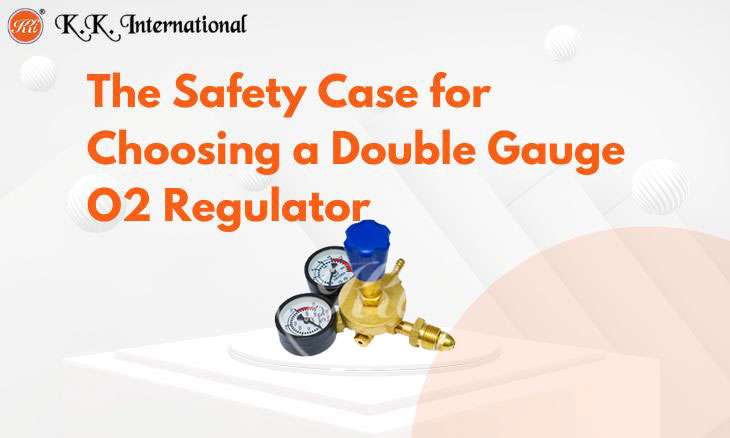
A double gauge regulator shows you two numbers simultaneously. Delivery pressure, same as before. But also cylinder pressure how much oxygen is actually left in your cylinder right now.
That second number seems small but it changes your entire relationship with the equipment. Instead of guessing when your cylinder might run low, you actually know.
Why This Matters More Than You'd Expect
Let me walk you through a situation that happens constantly in workshops without double gauge regulators.
You're mid-weld. Maybe you're halfway through a critical joint on a project that actually matters. The flame starts behaving differently maybe it weakens, maybe the flow drops slightly. You're not entirely sure what's happening because you genuinely cannot see how much oxygen remains in your cylinder.
Is it running low? Is something else going on? You're troubleshooting blind, mid-task, with no real information to work from.
Now picture the same scenario with a double gauge regulator. You glance at the cylinder pressure gauge throughout your work. You already knew this cylinder was getting low fifteen minutes ago. You planned for it. Maybe you had a backup cylinder ready, or you finished the current pass and swapped before continuing.
Same situation, completely different experience. One version is stressful and reactive. The other is calm and planned.
The Actual Mechanics - How This Works
Let's get into how a double gauge regulator actually functions, because understanding this helps you use it properly.
Your oxygen cylinder is filled to a very high pressure often 150 bar or more when full. As you use oxygen, that pressure drops. A full cylinder might show 150 bar. Half used might show around 75 bar. Nearly empty might show 10-15 bar.
The first gauge on a double gauge regulator usually the larger one, positioned to show cylinder pressure displays this directly. You're looking at actual cylinder contents in real time.
The second gauge shows delivery pressure the regulated, reduced pressure going to your equipment. This stays relatively constant regardless of cylinder pressure, as long as the cylinder has enough pressure remaining for the regulator to function properly. Typically this sits somewhere between 1 and 4 bar depending on your specific application and torch requirements.
The regulator's internal mechanism does something genuinely clever here. It takes whatever pressure is coming from the cylinder whether that's 150 bar or 30 bar and reduces it to your set delivery pressure consistently. The cylinder pressure gauge lets you monitor the input side of this process. The delivery gauge confirms the output side is staying correct.
Two gauges, two different pieces of information, both useful simultaneously.
When Single Gauge Genuinely Isn't Enough
I want to be fair here single gauge regulators work perfectly well for plenty of situations. But there are specific scenarios where that missing cylinder pressure information becomes a real problem.
Long Continuous Jobs
If you're doing extended welding or cutting work production runs, large fabrication projects, anything that takes hours rather than minutes running out of oxygen mid-task is genuinely disruptive. You stop work, find a replacement cylinder, reconnect everything, restart. That's lost time and potentially compromised work quality if you're stopping mid-weld on something that needed continuous heat.
With cylinder pressure visibility, you see this coming. You plan cylinder changes during natural breaks rather than emergency stops.
Multiple Cylinder Management
Workshops running several oxygen cylinders simultaneously maybe multiple welding stations, or rotating cylinders for refilling benefit enormously from knowing exact cylinder status. You're not guessing which cylinder is fullest or making assumptions based on how long it's been since the last refill.
Critical or Expensive Work
When the job itself is expensive or critical aerospace components, pressure vessel welding, anything where stopping mid-process creates real problems having complete information about your gas supply reduces risk. You're not relying on estimation when precision matters.
Remote or Difficult-to-Resupply Locations
If getting a replacement cylinder isn't quick and easy maybe you're working somewhere remote, or cylinder delivery takes time to arrange knowing exactly how much oxygen remains lets you plan properly rather than discovering a shortage at the worst possible moment.
New or Less Experienced Operators
Experienced welders sometimes develop intuition about cylinder duration based on flame behavior, sound, or just general experience. Newer operators don't have that intuition yet. A double gauge regulator gives them objective information instead of requiring them to develop a feel for it through trial and error — sometimes uncomfortable trial and error when a cylinder runs out unexpectedly.
What "Solid Brass Build" Actually Means for This Regulator
The Double Gauge O2 Regulator from KK International is built from solid brass and for oxygen equipment specifically, this matters in ways that go beyond general durability.
Oxygen Service Requires Specific Material Handling
We touched on this before but it's worth repeating because it's genuinely important: oxygen reacts dangerously with oil, grease, and certain other contaminants. Components used in oxygen service need to be manufactured and handled with this in mind.
Quality brass construction, properly machined and cleaned, reduces contamination risks compared to materials or manufacturing processes that aren't specifically oriented around oxygen service requirements.
Two Gauges Means More Components, More Reasons for Quality to Matter
A double gauge regulator inherently has more components than a single gauge version two gauge mechanisms, additional internal passages, more connection points. Each of these is a potential failure point if manufacturing quality is inconsistent.
Solid brass construction throughout means these additional components are built to the same quality standard rather than cutting corners on the "extra" gauge mechanism to keep costs down.
Handling Pressure Cycling Reliably
Oxygen regulators experience significant pressure cycling full cylinder pressure dropping to near-empty, repeated connection and disconnection, the stress of regular workshop use. Brass handles this mechanical and pressure cycling without degrading the way some other materials might over years of regular use.
Long-Term Gauge Accuracy
Here's something people don't always consider: gauge accuracy can drift over time, especially with poor quality components or manufacturing. A double gauge regulator is only as useful as its gauges are accurate. If your cylinder pressure gauge is reading incorrectly, you've lost the main advantage of having it in the first place.
Quality construction throughout including the gauge mechanisms themselves maintains accuracy over years of use rather than gradually drifting into unreliability.
Why Quality Matters Regardless of Which You Choose
Whether you ultimately go with single or double gauge, the construction quality matters enormously for oxygen service specifically. This isn't an area where buying cheap and hoping for the best is a reasonable approach.
The Double Gauge O2 Regulator from KK International gives you solid brass construction suitable for oxygen service, leak-proof control that maintains safety standards, reliable performance that doesn't drift or degrade with regular use, and compatibility with standard oxygen cylinders you'll find across most workshop and industrial settings.
If you've decided that double gauge visibility matches your actual working needs, getting that visibility from equipment built to proper oxygen service standards isn't optional it's the whole point.
Ready to Stop Guessing About Your Oxygen Supply?
If you're tired of uncertain cylinder status, if unexpected oxygen shortages have disrupted your work before, or if you're simply ready for complete visibility into your gas supply the Double Gauge O2 Regulator gives you the information to work confidently rather than guessing.
The Double Gauge O2 Regulator from KK International: dual gauge display for complete pressure visibility, solid brass construction built for oxygen service demands, leak-proof control for safe reliable operation, and compatibility with standard oxygen cylinders across industrial and workshop applications.


