
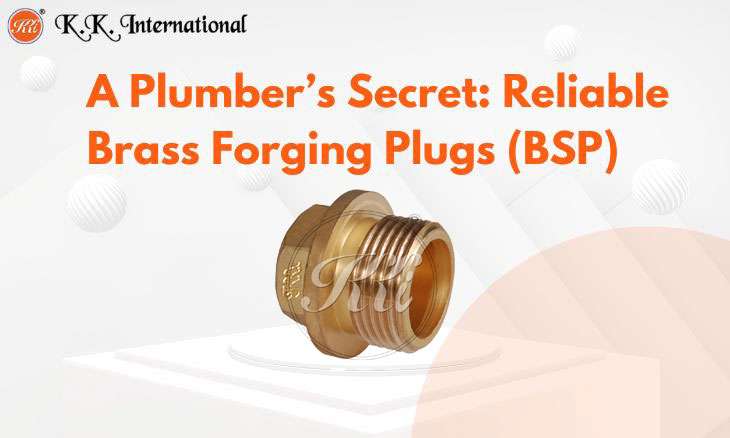
Why Every Plumber Needs Quality Forging Plugs in Their Toolkit
The Everyday Plumbing Reality
Here's the thing about plumbing jobs they never go exactly how you planned. You show up thinking it's a straightforward tap replacement. Next thing you know, you're staring at pipes that haven't been touched since the '80s, mystery threads that don't match anything standard, and random openings that absolutely need sealing right now.
This is when having proper forging plugs in your toolkit stops being convenient and starts being essential. No last-minute dash to the supplier. No jerry-rigged solution you'll worry about later. Just grab the right plug, thread it on, and you're done.
Why Forging Actually Matters
Look, I get it. When you're starting out, a plug looks like a plug. They're all shiny brass things with threads, right? Wrong.
A forging plug gets made by literally hammering and compressing brass under crazy pressure. Imagine squeezing all the metal together so tight there's no room for any weakness. That's what forging does. The result is a plug that's solid all the way through no air bubbles, no thin spots, nothing that'll give up on you when the pressure's on.
Cast plugs? They're made by pouring melted brass into a mold. Sounds fine until you realize that process leaves tiny gaps and weak points you can't even see. Maybe they hold up fine. Maybe they don't. You willing to bet your reputation on "maybe"?
Where These Things Actually Get Used
The beauty of having forging plugs on hand is you'll use them everywhere. Seriously, everywhere.
Yesterday I capped off old supply lines in a kitchen remodel. Today I'm sealing unused connections in an apartment building's mechanical room. Tomorrow? Could be anything from a residential bathroom to a commercial boiler system.
Gas lines especially that's where you don't mess around. When I'm working with gas, every single component needs to be something I'd trust in my own house. A quality forging plug gives me that confidence. A cheap one? Not a chance.
How To Spot Quality Ones
Not all forging plugs are worth buying. Here's what I look for:
Weight and feel quality plugs feel substantial. If it feels light and cheap, it probably is.
Clean threads BSP threads should be sharp and consistent. Sloppy threading means sloppy manufacturing.
Good brass the metal should look and feel premium, not like something that'll turn green next year.
Decent brand stick with manufacturers who have a reputation to protect. KK International makes solid forging plugs that actually perform like they should.
Keep different sizes stocked. Nothing worse than having the skills but not the right fitting.
Just Use Good Stuff
Here's my honest advice after years of doing this work: stop overthinking it and just stock quality forging plugs.
They're not expensive enough to worry about. They make your job easier. They prevent problems. Your customers end up happier. And you sleep better knowing everything you installed is solid.
Plus, being known as the plumber who doesn't cut corners? That's how you build a business that lasts.
These little brass plugs won't make you famous. But they'll keep you busy with work that doesn't come back to haunt you. And in this business, that's exactly what you want.


