
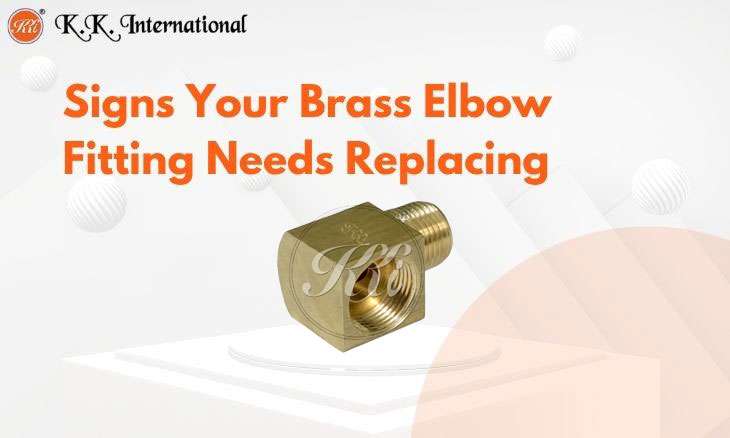
What Angle and Size Elbow Fitting Do You Actually Need
Ask most people what elbow fitting they need and they'll just say "a 90-degree one" without thinking twice about it. Fair enough, that's the most common one out there. But it's also how a lot of compressor systems end up with connections that technically work but aren't really doing the job as well as they could.
Getting the angle and size right isn't just a technical detail nobody cares about. It actually affects airflow, pressure consistency, and how much stress the whole system's under long after installation day is over.
Why the Angle Actually Matters
A 90-degree elbow is the default for a reason, it handles most standard direction changes in piping without much fuss. But every angle change in a line creates a small amount of turbulence and resistance, and a sharper angle creates more of it than a gentler one.
In high-pressure air compressor systems, that resistance adds up faster than people expect. If your line has several tight turns stacked close together, airflow efficiency can actually take a real hit, even if each individual fitting looks fine on its own.
When a 45-Degree Elbow Makes More Sense
This is the one people forget exists. A 45-degree elbow creates a gentler direction change, which means less turbulence and smoother airflow through that section of the line. It's especially useful in longer runs where you're gradually redirecting a pipe rather than making a sharp, immediate turn.
If you're designing a system from scratch and have some flexibility in layout, using a couple of 45-degree elbows instead of one aggressive 90-degree turn can genuinely improve overall performance, particularly in setups running under constant high pressure.
Matching the Elbow to Your Pipe Size
This part seems obvious until it isn't. The elbow fitting has to match your existing pipe diameter exactly, not close enough, not "it'll probably thread on fine." A mismatched size either won't seal properly or will create a bottleneck that restricts flow right at that connection point.
Before ordering, measure your pipe diameter directly rather than going off memory or an old spec sheet from a previous job. Systems get modified over time, and what was installed originally isn't always what's actually running through the line today.
Why BSP Threading Needs Extra Attention
Since elbow fittings like the Brass Elbow from KK International use BSP threading, this is worth double-checking before you buy anything. BSP and other thread standards aren't interchangeable, even when they look similar enough at a glance to seem fine.
A mismatched thread might screw on partway and seem secure for a moment, then fail under actual operating pressure once the compressor's running a full cycle. Confirming your system's thread standard before ordering saves you a wasted trip and a delayed job.
Considering the Pressure Rating of Your System
Size and angle aren't the only variables here, pressure rating matters just as much. A workshop compressor running light, intermittent use doesn't put the same stress on a fitting as an industrial pneumatic network running continuously under high demand.
Higher pressure systems benefit from properly sized, well-sealed elbows more than lower pressure ones do, simply because there's more force working against every joint in the line. If you're not sure what your system's actually rated for, that's worth confirming before finalizing fitting sizes.
Don't Overlook Space Constraints
Sometimes the "right" angle isn't purely about airflow efficiency, it's about what actually fits in the available space. A tight utility area or a crowded equipment room might force a sharper angle simply because there's no room for a gentler bend.
In these cases, a proper 90-degree brass elbow, built with a solid leak-proof design, is still a reliable choice. The goal isn't always the theoretically ideal angle, it's the best option that actually works within your real-world constraints.
Getting This Right the First Time
Choosing the correct angle and size isn't just about getting a fitting to physically connect two pipes. It's about making sure your whole system runs efficiently, seals properly, and doesn't create unnecessary stress at every joint along the way.
A well-matched brass elbow, sized and angled correctly for your specific setup, quietly does its job for years. A mismatched one becomes the reason you're troubleshooting pressure loss six months down the line.
Not sure what angle or size fits your compressor system? Reach out to the KK International team, they can help you match the right fitting to your exact setup before you order.


