
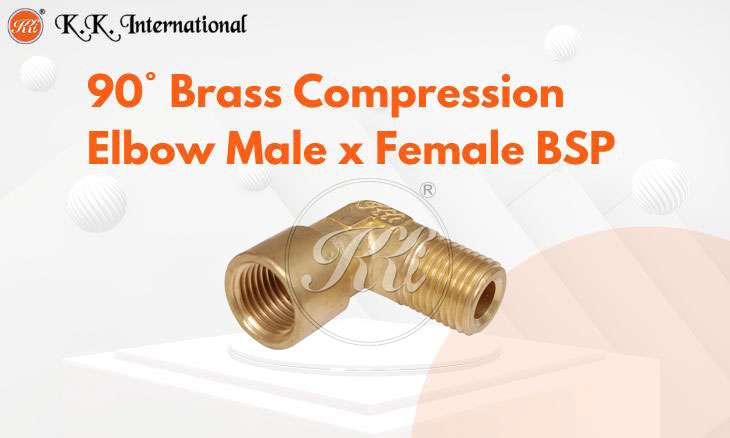
Male x Female BSP Elbows: When to Use Them
Breaking Down the Basics
So what are we actually looking at here? A male x female BSP elbow is basically an L-shaped brass fitting that connects two pipes at a 90-degree angle. What makes it special is that each end has a different thread type. One side has external threads (that's the male end), and the other has internal threads (the female end).
BSP means British Standard Pipe it's just a threading system that's pretty standard in most countries outside North America. You'll run into it constantly if you work with plumbing, gas lines, or industrial equipment.
The genius of this fitting is simple: it changes your pipe's direction AND adapts between different connection styles. Two jobs in one piece.
When Does This Fitting Make Sense?
1.Tight Corners and Awkward Angles
Here's a reality check pipes rarely go in straight lines. You've got walls, cabinets, appliances, and a dozen other things in the way. That's where elbows come in handy.
Say you're hooking up a washing machine. The water outlet is on the wall, but your supply hose needs to come out at an angle. A male x female elbow lets you make that turn while connecting two different thread types. Problem solved.
2.Working With Existing Plumbing
Old houses have character. They also have plumbing that was installed decades ago using whatever standards were common back then. When you're trying to add a new fixture or appliance, you often find yourself dealing with mismatched threads.
Instead of tearing everything out and starting from scratch (expensive and time-consuming), a male x female BSP elbow can bridge the gap. You're essentially adapting the old system to work with new components. I've seen this turn a nightmare renovation into a quick afternoon fix.
3.Gas Appliance Hookups
Water isn't the only thing flowing through these fittings. Gas lines use them too, and for good reason. Brass creates a solid, reliable seal critical when you're dealing with natural gas or propane.
Installing a gas cooktop? Connecting a tankless water heater? You'll probably need to navigate around joists, walls, or other utilities while maintaining safe, leak-free connections. The male x female design gives you flexibility without compromising safety.
Why Brass? Why Not Something Cheaper?
Fair question. Plastic fittings cost less and weigh almost nothing. But here's what you give up:
Brass handles heat without warping. It doesn't crack when temperatures swing from hot to cold. It resists corrosion way better than most alternatives. And when you tighten it down, it stays tight.
I learned this lesson the hard way years ago. Saved maybe $15 using plastic fittings on a project. Six months later, one cracked and caused water damage that cost hundreds to repair. Never again.
For something that's going to be buried in a wall or hidden under a sink for the next 20 years, brass is worth every penny.
The Quality Question
Let me be blunt about something: cheap fittings are a gamble. Sure, they look similar on the shelf. But the brass quality, machining precision, and thread accuracy vary dramatically between manufacturers.
A fitting from KK International costs more than the bargain-bin option. But it's manufactured to strict standards with quality brass that won't fail. When that fitting is hidden behind drywall or underground, reliability matters more than saving a few dollars.
One failed fitting can flood a room, shut down equipment, or worse. The peace of mind that comes with quality components is priceless.
Wrapping This Up
The male x female BSP elbow isn't flashy. Nobody's going to admire your beautiful elbow fitting when they visit your home. But it's one of those components that makes modern plumbing and industrial systems actually work.
Understanding when to use it and when to choose something else is part of becoming confident with plumbing projects. Whether you're a professional installer or someone who likes tackling home improvements, having the right fitting knowledge saves time, money, and headaches.


