Brass vs Stainless Steel Pipe Fittings: Which to Use?
Specifying the wrong pipe fitting material wastes thousands on unnecessary upgrades or costs even more when cheaper fittings fail under your operating conditions. Brass works perfectly for most applications but gets passed over for stainless steel because buyers assume more expensive means better. Stainless steel delivers extreme corrosion resistance and strength—but only certain applications actually need those properties. This guide compares brass and stainless steel pipe fittings across strength, corrosion performance, cost, and real-world applications. You’ll learn when brass saves money without compromising reliability and when stainless steel justifies its premium price. By the end, you’ll match material to application confidently.
Material Properties Overview
Brass is a copper-zinc alloy that combines ductility with adequate strength for pressures up to 600 PSI in standard configurations. The material machines easily, threads cleanly, and accepts compression ferrules without specialized tooling. Brass contains 60-70% copper and 30-40% zinc in most plumbing and industrial grades.
Stainless steel is an iron-chromium alloy with at least 10.5% chromium that forms a protective oxide layer. Common grades include 304 (general purpose) and 316 (marine/chemical). Stainless steel delivers tensile strength 2-3x higher than brass and resists extreme corrosion.
The key difference: brass trades maximum strength for machinability and cost efficiency. Stainless steel maximizes strength and corrosion resistance at 3-5x the material cost.
Strength and Pressure Handling
Tensile Strength and Ratings
Stainless steel pipe fittings handle tensile loads of 75,000-90,000 PSI versus brass at 40,000-55,000 PSI. For working pressure ratings, stainless steel fittings routinely tolerate 3,000+ PSI; brass tops out around 600 PSI for standard plumbing fittings.
Most residential and commercial plumbing operates at 40-80 PSI. Industrial hydraulics run 500-2,000 PSI. Brass covers the vast majority of these applications without requiring stainless steel’s strength margin.
Performance Under Surge Conditions
Both materials handle pressure surges without rupture when sized correctly. Brass absorbs shock loads through slight elastic deformation; stainless steel remains rigid. The elastic behavior of brass actually helps prevent water hammer damage in plumbing systems—stainless steel transmits shock waves through the system more readily.
For applications with frequent pressure cycling or pulsing flow, brass’s ductility prevents fatigue cracking that can develop in harder materials over thousands of cycles.
Corrosion Resistance and Environmental Factors
Water and Chemical Exposure
Brass resists corrosion in fresh water, wastewater, and most non-acidic fluids for 20+ years of service life. The zinc in brass provides sacrificial protection—zinc corrodes preferentially, protecting the copper matrix underneath. In potable water systems, brass meets NSF/ANSI standards and delivers decades of reliable service.
Stainless steel (especially 316 grade) outperforms brass in saltwater, acidic chemicals, and chlorinated environments where brass would experience dezincification. Marine applications, chemical processing plants, and coastal installations justify stainless steel’s premium for this superior corrosion resistance.
Here’s the uncomfortable truth: 80% of buyers who choose stainless steel for “better corrosion resistance” operate in environments where brass would last just as long. Unless you’re dealing with saltwater, strong acids, or heavy chlorination, brass delivers equivalent service life at lower cost.
Temperature Tolerance
Brass maintains mechanical properties from -40°F to 300°F. Stainless steel extends that range to -100°F to 1,000°F+. Most HVAC, plumbing, and industrial systems operate well within brass’s temperature window. High-temperature steam, exhaust, or thermal processing applications require stainless steel.
Cost, Installation, and Maintenance
Upfront and Lifecycle Costs
Stainless steel fittings cost 3-5x more than equivalent brass fittings. A 1-inch brass tee costs approximately ₹150-300; the stainless equivalent runs ₹600-1,200. For systems with dozens of fittings, this difference adds up to significant capital expenditure.
Lifecycle cost analysis shows brass saves money in applications where both materials would last equally long. If your environment doesn’t demand stainless steel’s extreme properties, paying the premium delivers no additional value.
Installation Complexity
Brass threads easily with standard dies and taps. Installation requires basic wrenches; no special tools needed. Fabricators can machine custom brass fittings quickly and affordably.
Stainless steel is harder to machine and thread. Cutting tools wear faster; threading takes longer; custom fabrication costs increase substantially. Installation time runs 20-30% longer with stainless steel due to material hardness.
Maintenance and Reusability
Both materials tolerate disassembly and reassembly multiple times. Brass fittings can be reused 10-15 times before thread wear becomes significant. Stainless steel threads harden with use and risk galling (cold welding) when overtightened—requiring thread lubricant and careful torque control.
Applications and Use Cases
When Brass Is the Right Choice
- Residential and commercial plumbing with municipal water supply
- HVAC systems (refrigerant lines, condensate drains, water loops)
- Compressed air distribution under 200 PSI
- Natural gas and propane lines (approved grades)
- Industrial hydraulics under 600 PSI
- Irrigation and water distribution systems
- Indoor installations without extreme chemical exposure
Brass delivers reliable, long-term performance in these applications without requiring stainless steel’s premium cost.
When Stainless Steel Is Required
- Marine and coastal installations with saltwater exposure
- Chemical processing with acidic or caustic fluids
- Food and pharmaceutical manufacturing (hygiene requirements)
- High-pressure hydraulics above 1,000 PSI
- High-temperature steam and thermal processing
- Environments with heavy chlorination or chemical sanitization
- Applications requiring non-magnetic materials
Stainless steel justifies its cost when environmental conditions would degrade brass prematurely or when regulatory standards mandate it.
Safety and Compliance
Both brass and stainless steel meet NSF/ANSI Standard 61 for potable water when properly certified. Lead-free brass (containing less than 0.25% lead) satisfies federal Safe Drinking Water Act requirements for drinking water systems.
Stainless steel naturally contains no lead, eliminating concerns in jurisdictions with strict lead regulations. For healthcare, food processing, and pharmaceutical applications, stainless steel often receives preference due to sterilization requirements and hygienic standards.
Brass conducts electricity consistently—useful for systems requiring grounding. Stainless steel’s higher electrical resistance makes it preferred in certain electrical isolation applications.
Performance Comparison
| Factor | Brass | Stainless Steel |
| Pressure Rating | Up to 600 PSI | 3,000+ PSI |
| Corrosion (Water) | Excellent | Excellent |
| Corrosion (Saltwater) | Fair | Excellent |
| Temperature Range | -40°F to 300°F | -100°F to 1,000°F+ |
| Cost | Baseline | 3-5x Higher |
| Machinability | Excellent | Difficult |
| Installation Time | Fast | Slower |
| Weight | Moderate | Heavier |
FAQs
Can I use brass fittings in saltwater or marine applications?
Brass corrodes in saltwater through dezincification, where zinc leaches out and weakens the fitting. For marine environments, coastal installations, or saltwater exposure, specify stainless steel 316 grade. Brass works for freshwater marine systems away from salt exposure.
Why do some plumbers insist on stainless steel for everything?
Stainless steel’s reputation for strength and corrosion resistance leads some installers to specify it universally. However, most residential and light commercial applications don’t require stainless steel’s extreme properties. Brass performs equivalently at lower cost unless you face saltwater, strong chemicals, or pressures above 600 PSI.
Will brass fittings contaminate my drinking water with lead?
Lead-free brass fittings certified to NSF/ANSI Standard 61 contain less than 0.25% lead and meet federal Safe Drinking Water Act requirements. These fittings don’t leach lead into drinking water at levels of concern. Always specify lead-free brass for potable water systems.
Can I mix brass and stainless steel fittings in the same system?
Yes, but use dielectric unions at connection points to prevent galvanic corrosion. Direct contact between dissimilar metals in conductive fluids creates electrochemical reactions that corrode the less noble metal (brass). Isolating the metals with dielectric fittings prevents this degradation.
Which material lasts longer in typical plumbing applications?
Both brass and stainless steel deliver 20-30 year service lives in standard residential and commercial plumbing with municipal water. The performance difference only becomes significant in extreme environments—saltwater, industrial chemicals, or high temperatures—where stainless steel extends service life substantially.
Match Material to Application
Brass pipe fittings handle the vast majority of plumbing, HVAC, and industrial applications reliably and affordably. Specify stainless steel only when environmental conditions—saltwater, acids, extreme temperatures, or pressures above 1,000 PSI—actually require its premium properties. Choosing the right material means understanding your operating conditions and avoiding unnecessary expense.
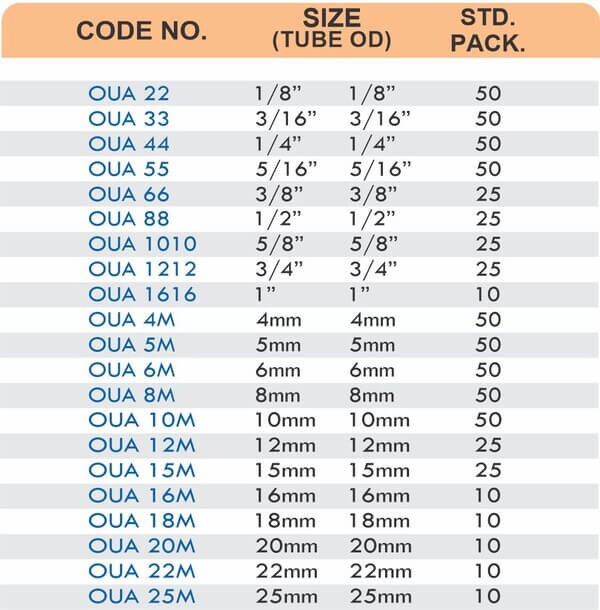
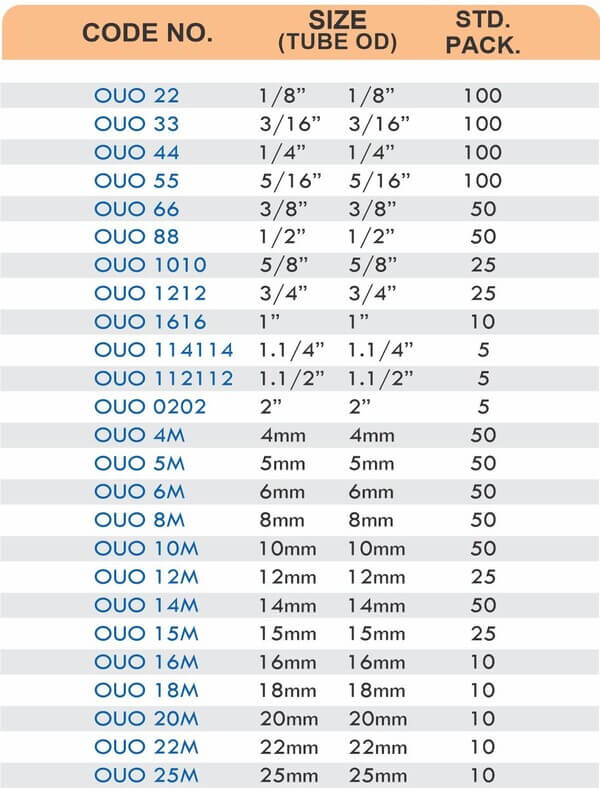
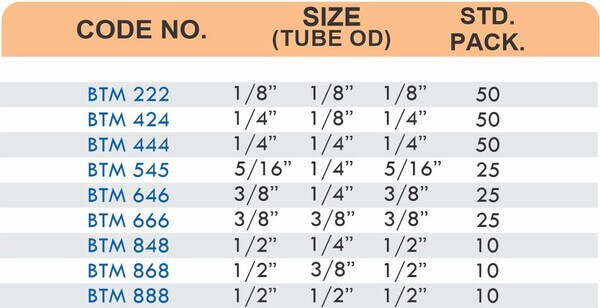
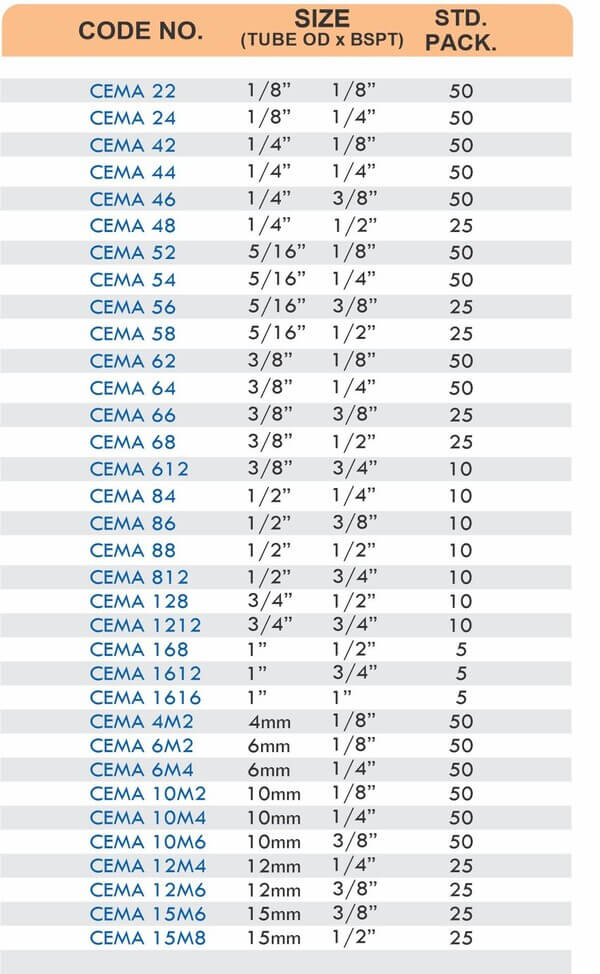
KK International manufactures precision brass pipe fittings engineered for reliable performance across residential, commercial, and industrial plumbing systems. Our fittings meet NSF/ANSI standards for potable water and deliver decades of service in standard operating environments. When your application demands brass’s optimal balance of performance and value, we deliver the quality and range you need. Browse our complete brass fitting catalog at kkinternational.co.in or contact our technical team for application-specific recommendations and material selection guidance. Get fittings that perform reliably without paying for properties you don’t need.