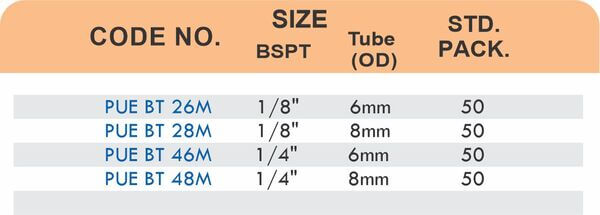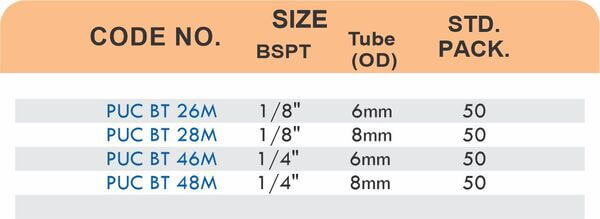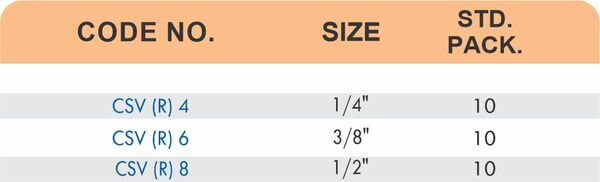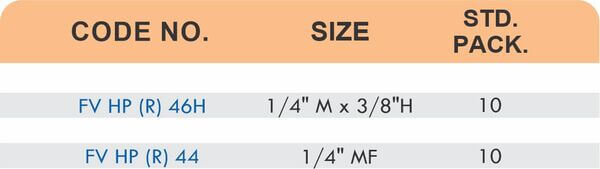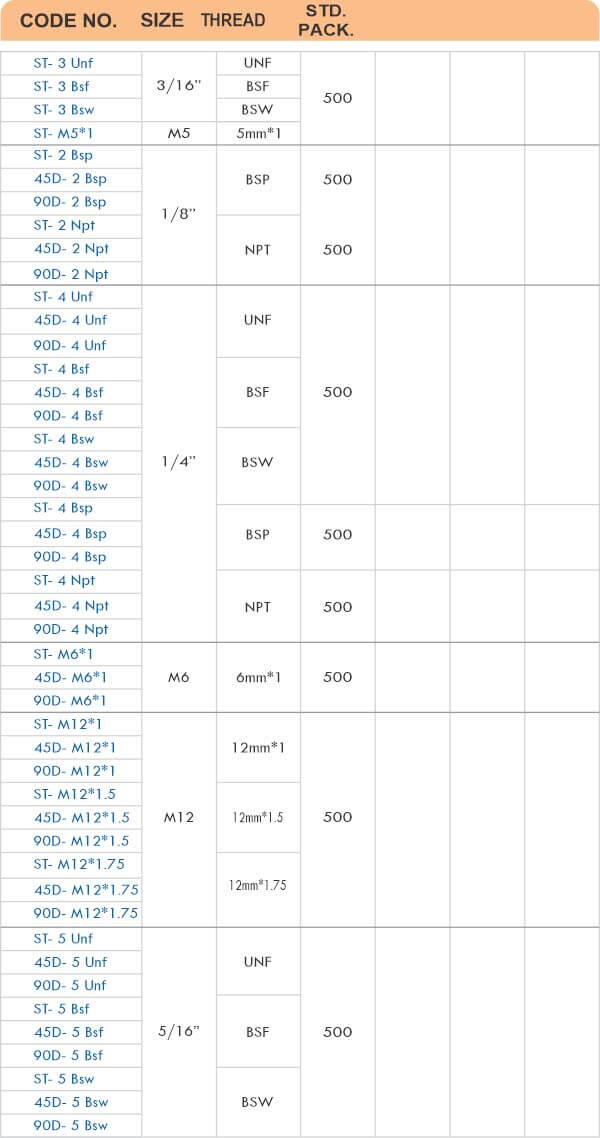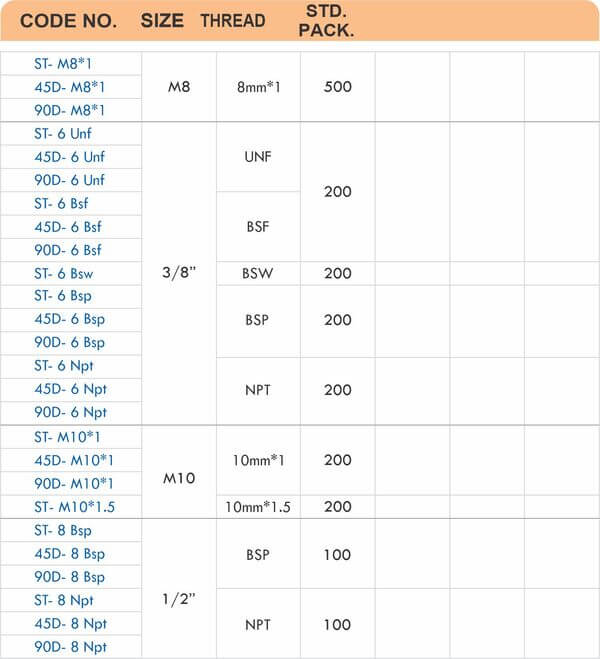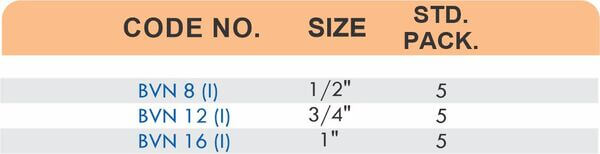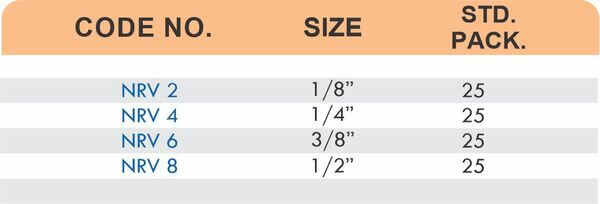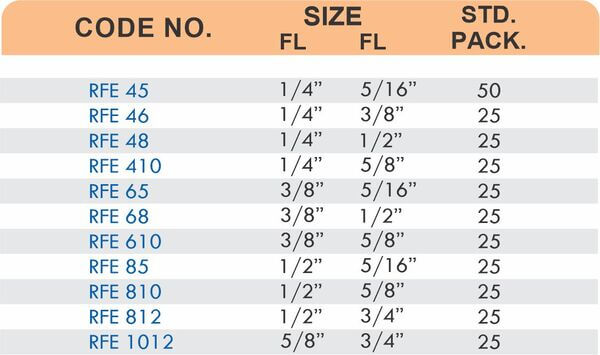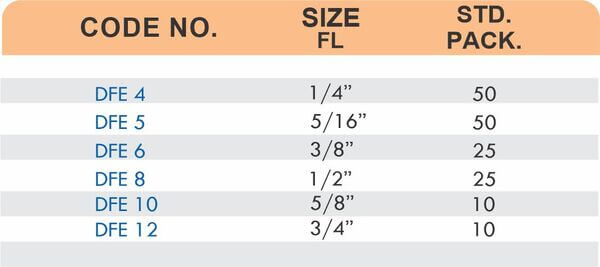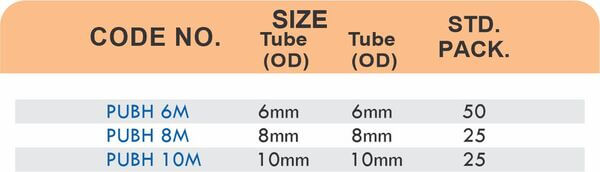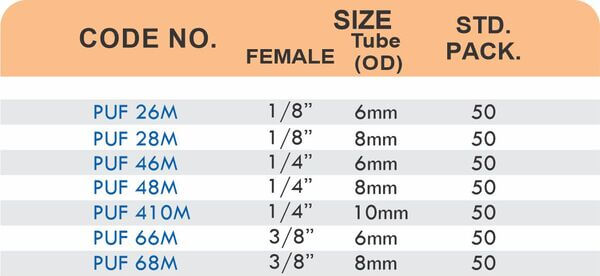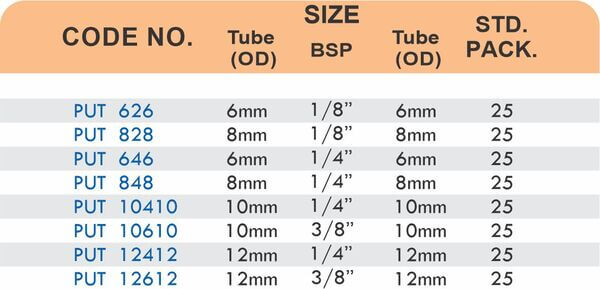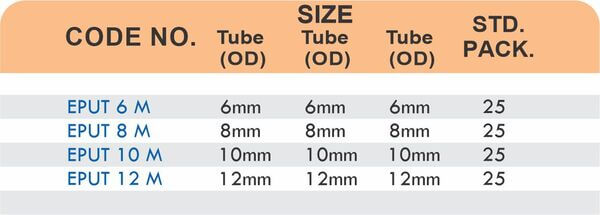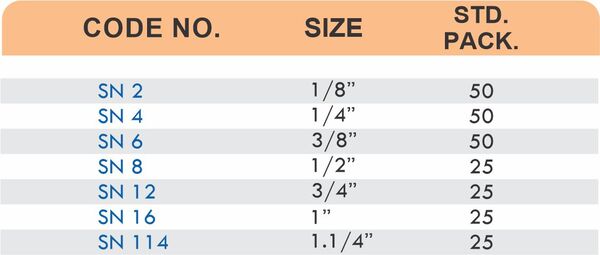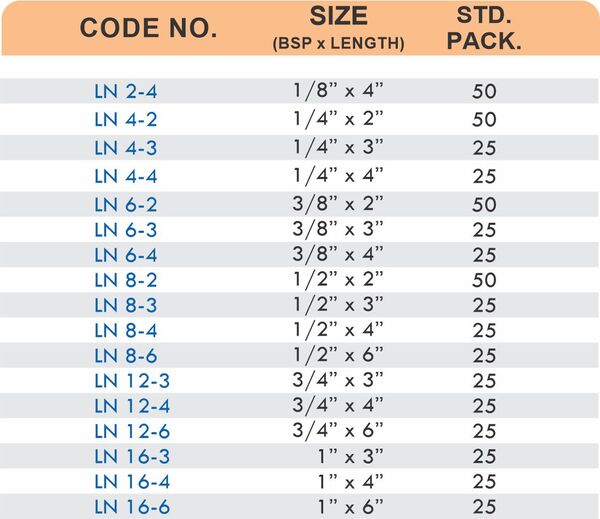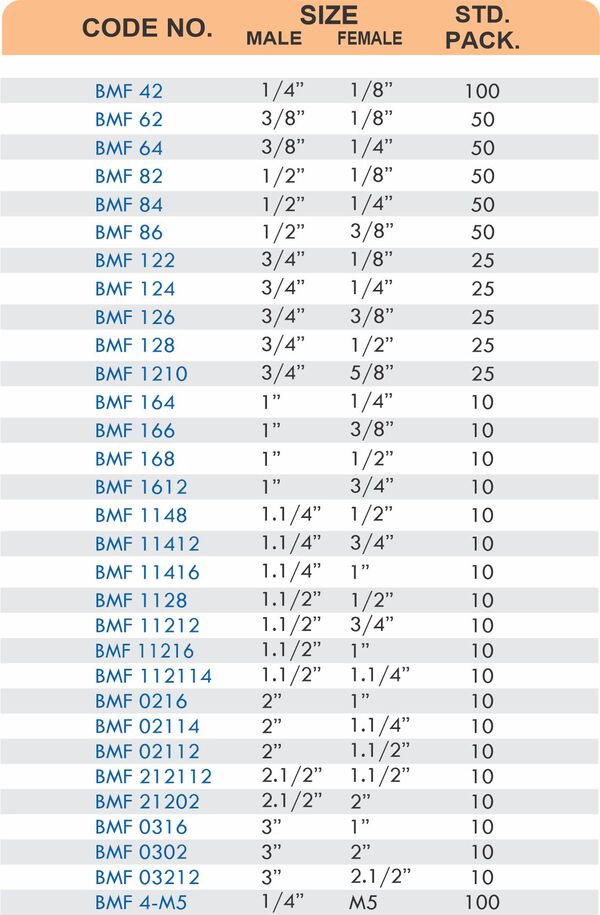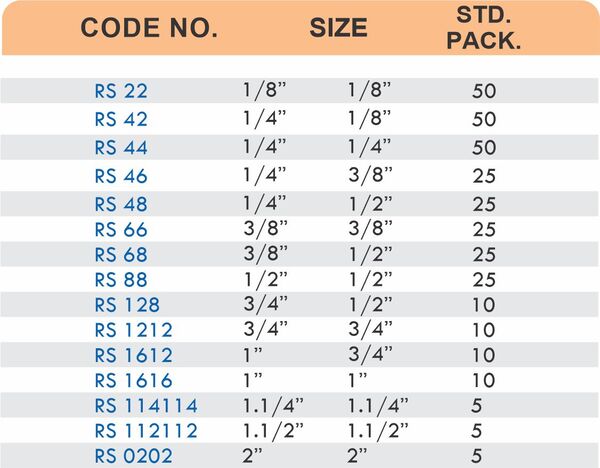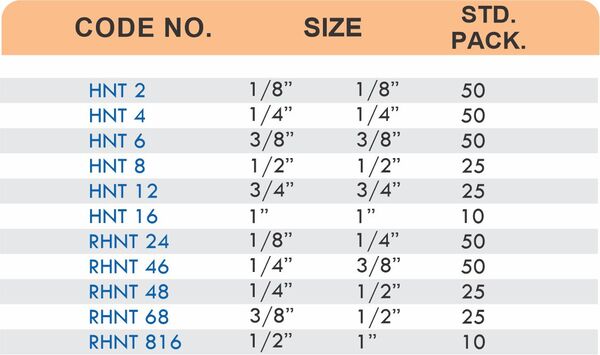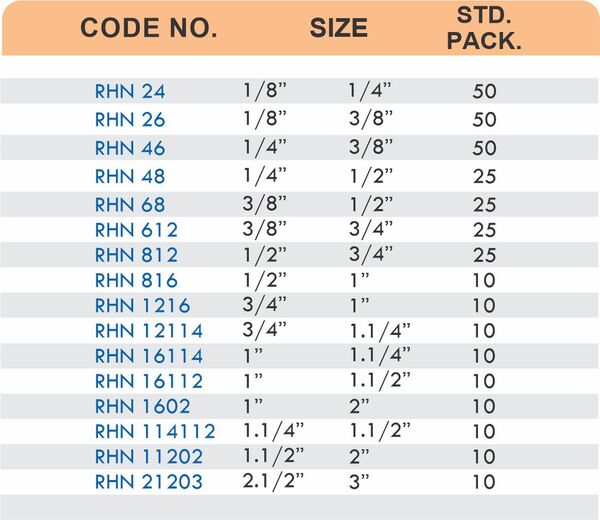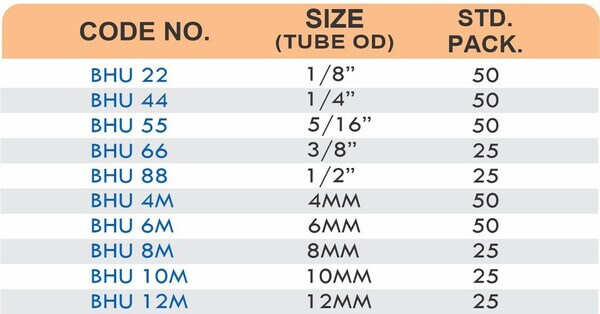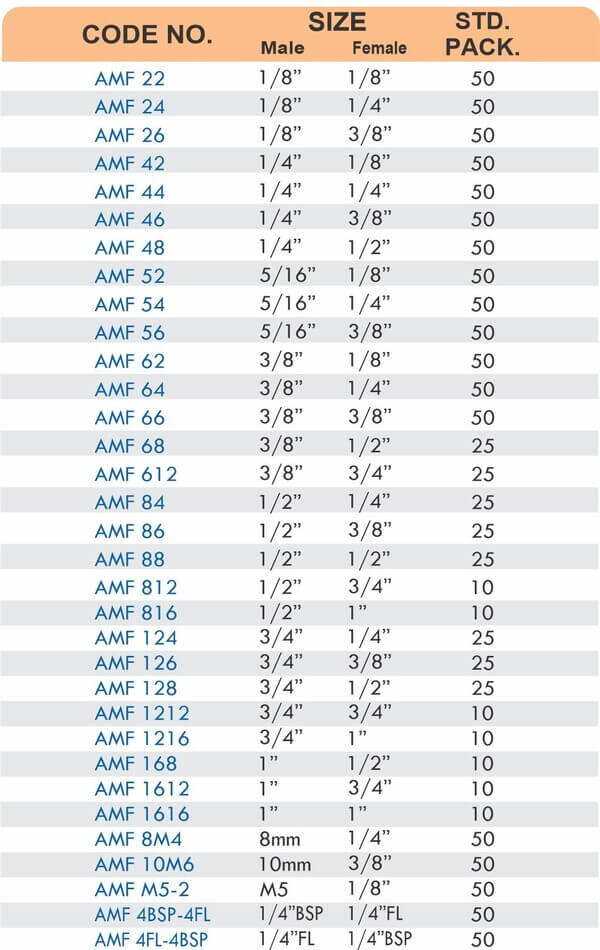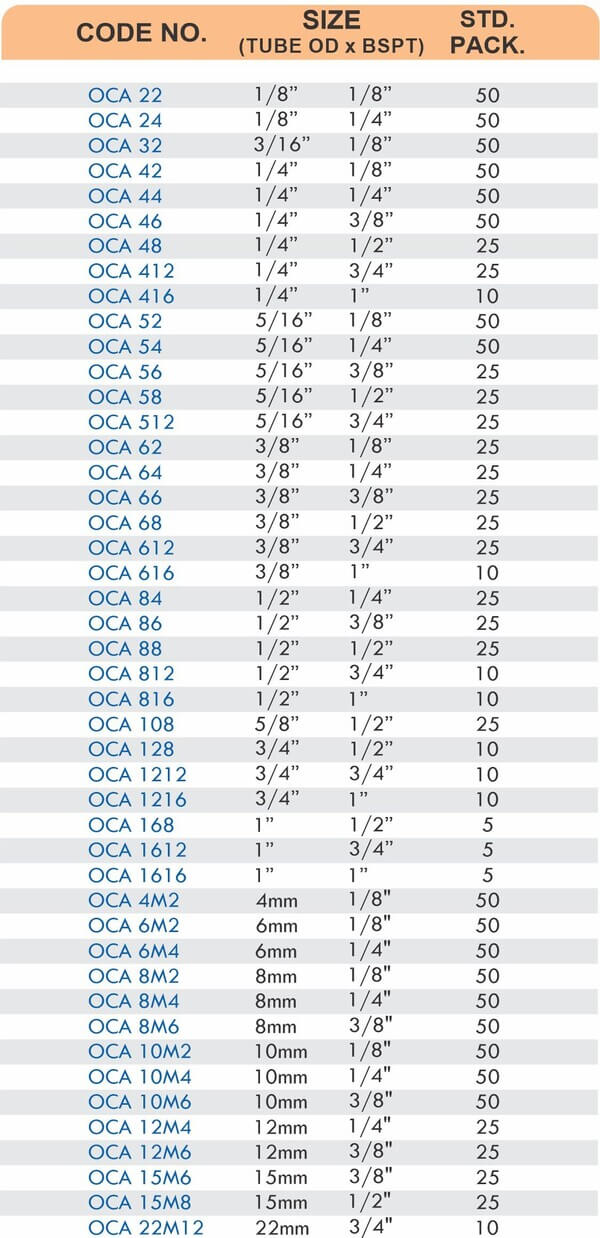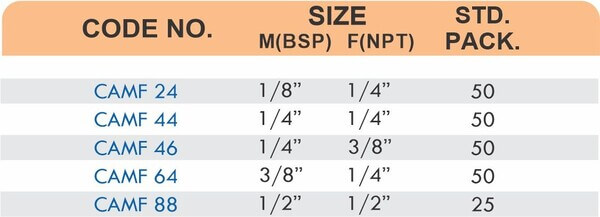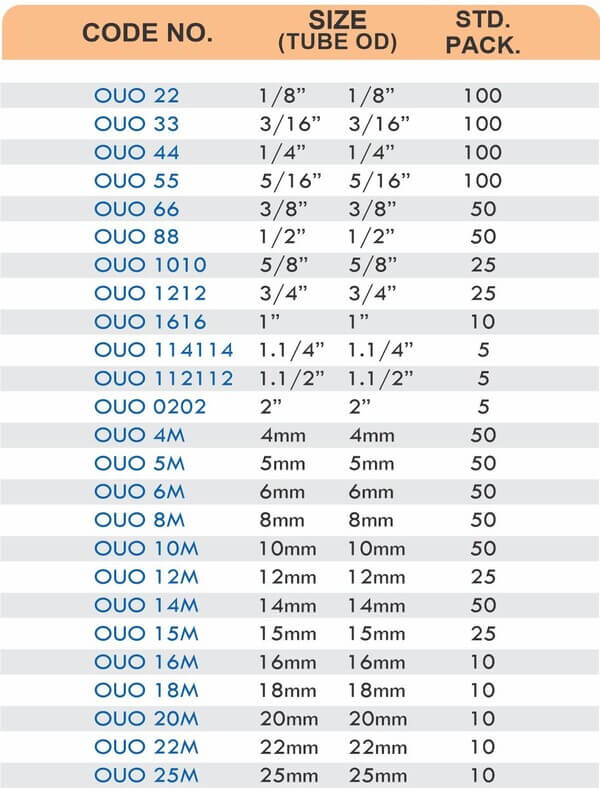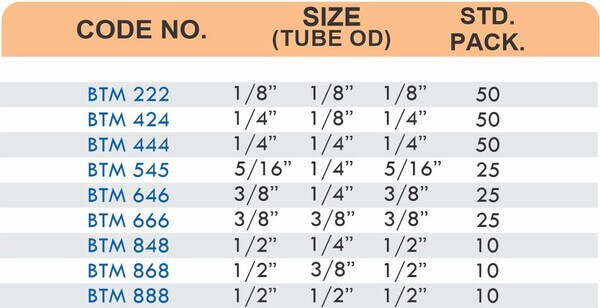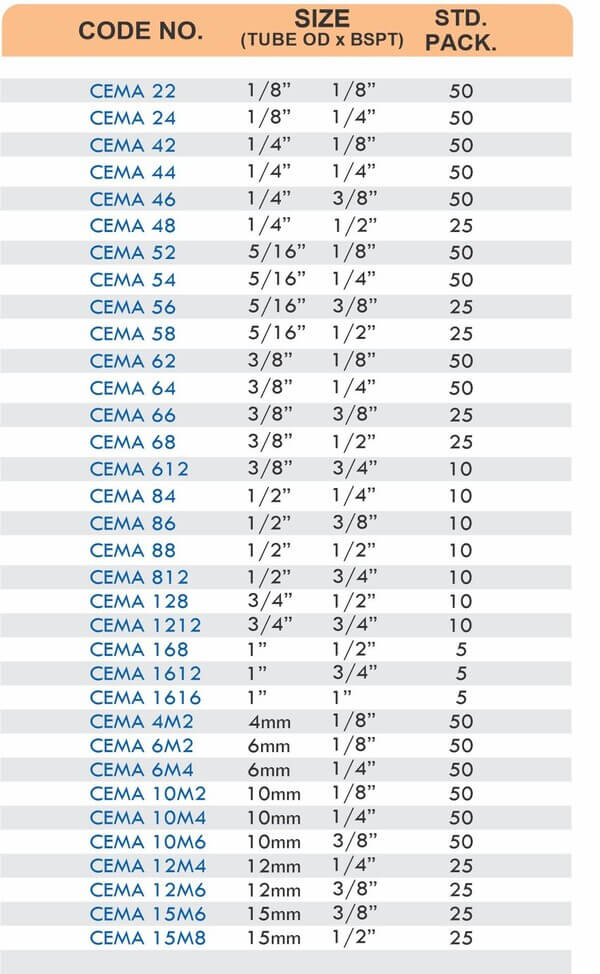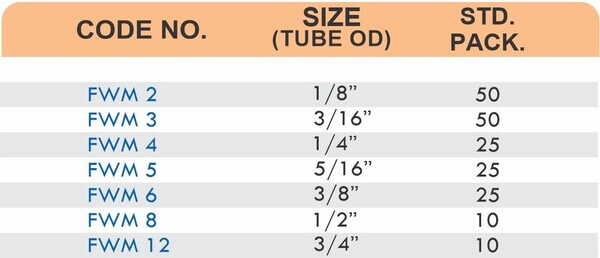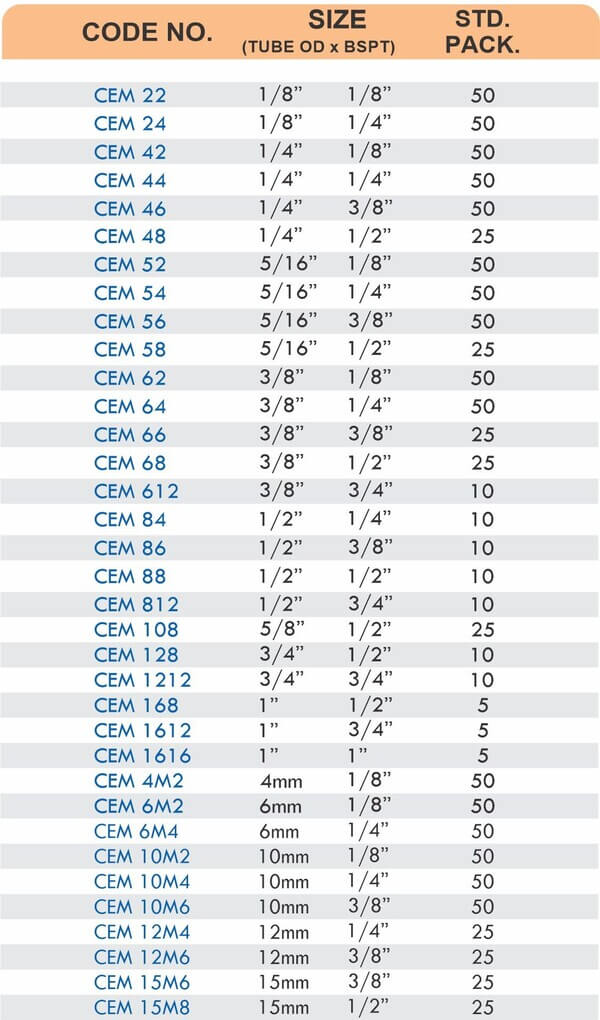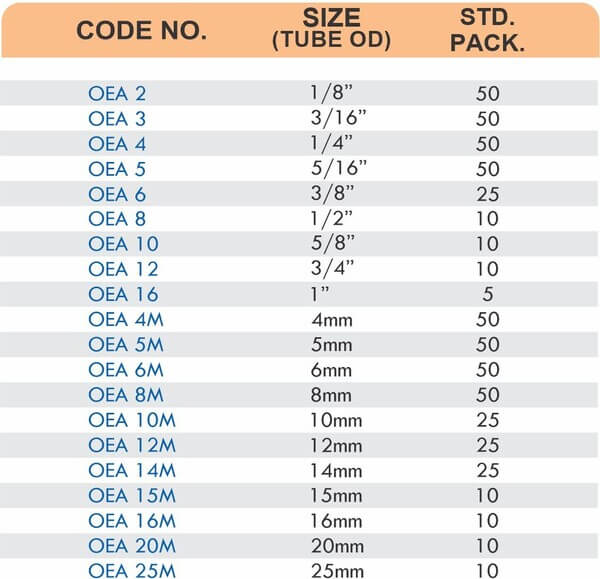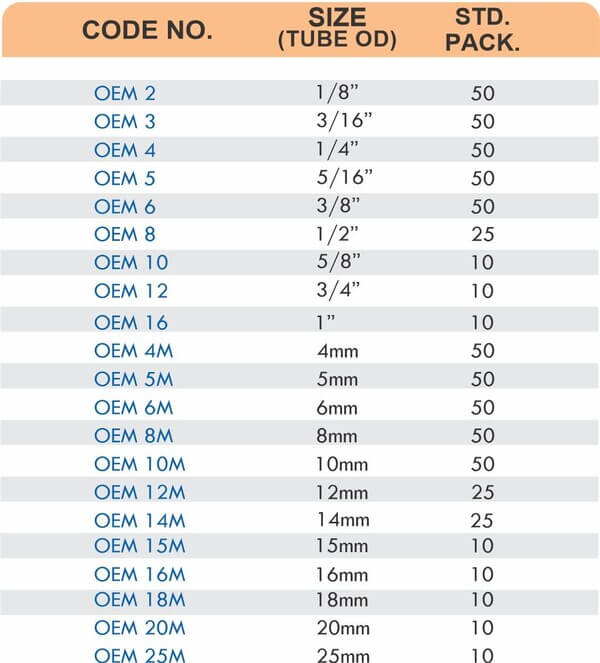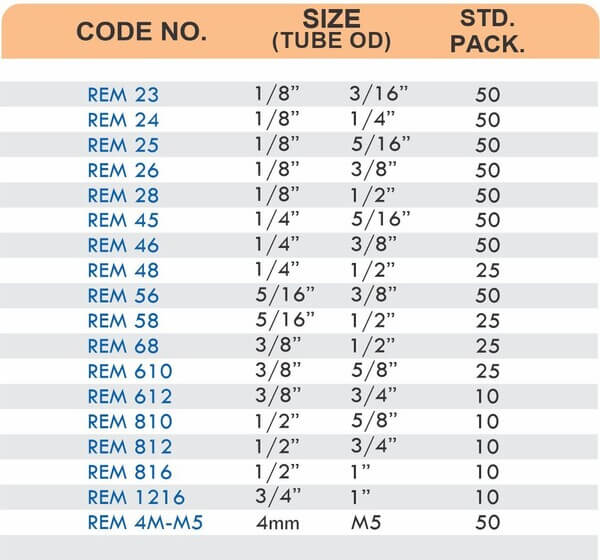
Brass Tube Fittings: Fluid System Function & Value
Leaking hydraulic systems, failed instrumentation lines, and contaminated process fluids cost manufacturers thousands in wasted product and unplanned downtime. The fittings you choose determine whether your fluid system stays sealed under pressure or fails catastrophically. Brass tube fittings solve this by combining mechanical precision with material reliability that works across water, oil, gas, and chemical applications. This guide explains how brass tube fittings function within fluid systems, what value they deliver compared to alternatives, and how to select the right types for your specific demands. You’ll learn why precision industries trust brass for leak-free, long-life performance.
What Are Brass Tube Fittings?
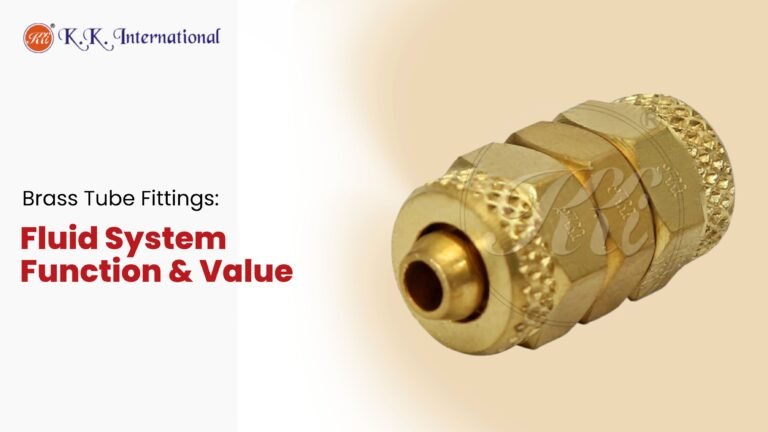
Brass tube fittings connect thin-wall tubing through compression, flare, or push-to-connect mechanisms. Unlike pipe fittings that use threads, tube fittings grip the tubing itself, creating direct contact seals that tolerate vibration, thermal cycling, and pressure changes without loosening. A typical compression tube fitting consists of a fitting body, compression nut, ferrule (ring), and support sleeve for certain tubing types.
The compression ferrule deforms when the nut tightens, gripping the tube outer diameter and compressing it against the internal fitting seat. This mechanical action creates a hermetic seal—meaning it stops leakage completely—without requiring thread sealant, adhesive, or heat. The seal strength depends on precise component dimensions, material compatibility, and correct installation torque.
Fluid System Functions
Leak Prevention and Seal Integrity
Brass tube fittings prevent fluid loss by creating positive contact between ferrule and tubing. A single loose connection in a hydraulic circuit can cost $5,000+ per day in lost production—leaks don’t just waste fluid, they introduce contamination that damages pumps and actuators. Brass fittings maintain seal integrity through pressure cycles that would degrade plastic or lower-quality metal fittings.
The double ferrule design (used in precision applications) adds a second sealing surface that engages at different points during tightening. This dual contact ensures reliable sealing even with minor tubing irregularities. The result is a fitting you can trust under sustained pressure without constant inspection and tightening adjustments.
Flow Path Continuity
Well-designed brass tube fittings maintain straight, unobstructed flow paths that minimize turbulence and pressure drop. The internal bore geometry—whether straight through for couplings or smoothly contoured for elbows and tees—preserves flow velocity and prevents dead zones where particulates accumulate. In instrumentation systems, flow consistency directly affects measurement accuracy and response time.
Restrictions and turbulent flow generate heat, which damages seals prematurely and wastes energy. Brass fittings, when sized correctly for your flow rate, keep fluid velocity within optimal ranges. This efficiency compounds over a system’s operating life—better flow means lower pump load, longer seal life, and lower energy consumption.
Pressure and Vibration Management
Brass tube fittings absorb pressure surges and vibration without developing micro-leaks at the connection. The metal body distributes stress evenly across the fitting volume rather than concentrating it at weak points like threaded junctions. Hydraulic systems commonly experience 20-30% pressure spikes during rapid valve closure—brass fittings handle these transients without failure.
Vibration from machinery, vehicle movement, or pulsing flow would loosen threaded connections over time. Brass compression tube fittings stay tight because the ferrule-tubing contact strengthens under vibration rather than weakening. This vibration resistance matters in mobile equipment, pumping systems, and any application with dynamic loading.
Adaptability to Configuration Changes
Brass tube fittings disassemble and reassemble without replacing ferrules or degrading performance until multiple reuse cycles occur. You can modify, repair, or upgrade your system without cutting tubing or destroying fittings. This flexibility allows phased installations, seasonal modifications, and future expansions without complete line replacement.
The ability to reconfigure is often overlooked in cost calculations but delivers real value when system demands change. Rather than abandoning old infrastructure, you simply reconfigure brass fittings to new layouts.
Key Features and Technical Value
Brass resists corrosion from water, oil, and many chemicals without special coatings or stainless upgrades. Systems using brass fittings in outdoor or chemical environments experience 15-20 year service life versus 5-7 years with steel fittings. The material remains ductile even under temperature extremes from -65°F to 400°F, preventing brittleness that cracks plastic or embrittles alloys.
Brass conducts heat and electricity efficiently—critical for electrohydraulic systems and applications requiring grounding. The material is malleable enough to form precise ferrules and tough enough to withstand 3,000+ PSI pressures without distortion. It works with copper tubing, stainless tubing, and specialty alloys without galvanic corrosion.
Common Applications
Hydraulic power units in manufacturing plants use brass tube fittings throughout. Water supply systems, from residential to municipal scale, rely on brass for reliability and potable water safety. Instrumentation circuits in laboratories and process plants need brass for precision and chemical compatibility.
HVAC systems, refrigeration equipment, and pneumatic control networks depend on brass fittings to maintain pressure, temperature, and purity. Medical gas lines in hospitals and clinical equipment use brass when strict material standards apply. Fuel systems in vehicles and equipment often employ brass for its resistance to fuel additives and thermal cycling.
Types of Brass Tube Fittings
Common configurations include straight unions (connecting two tubes end-to-end), adapters (joining tube to threaded ports), couplings (reducing or straight), elbows (45° and 90° directional changes), tees (three-way junctions), and bulkhead fittings (panel pass-throughs). Specialty types include swivel fittings (allowing rotation without disconnection) and manifold ports (multiple connection points in compact assemblies).
Each type serves specific layout needs. Straight fittings work where lines run parallel; elbows navigate corners; tees create branches. Bulkhead fittings seal connections through tank walls or panel mounting surfaces without leaking through the sealing surface.
Comparative Value
Brass delivers better long-term value than plastic fittings, which degrade under UV, heat, and chemical exposure. Plastic fittings fail after one disassembly cycle and can’t handle sustained pressure spikes. Stainless fittings cost 2-3x more than brass for equivalent pressure ratings, adding significant expense on systems with dozens of connection points.
Composite fittings offer light weight but sacrifice temperature range and reusability. For most applications, brass hits the performance-price sweet spot—premium reliability without exotic material costs.
Maintenance and Best Practices
Install brass tube fittings with hand-tightening first, then wrench-tightening one full turn past snug to compress the ferrule properly. Over-tightening damages the ferrule; under-tightening leaves insufficient seal. Test for leaks at operating pressure before declaring the system ready. Inspect fittings annually for corrosion, scoring, or seepage—replace corroded ferrules or tubing with scoring marks.
Protect fittings from physical damage, salt spray, and prolonged exposure to freezing temperatures with standing water. Keep connection areas clean to prevent contamination when disassembling for maintenance.
FAQs
Can brass tube fittings be used with stainless steel tubing?
Yes, but only when the fittings are specifically rated for stainless tube use. Stainless ferrules prevent galling; brass ferrules on stainless tubing can score and leak. Always verify material compatibility with your fitting manufacturer.
How many times can I reuse a brass tube fitting?
Standard brass fittings tolerate 2-4 disassembly cycles before ferrule degradation becomes significant. After that, replace the ferrule or entire fitting. Inspect tubing for scoring or deformation each time—damaged tubes must be cut back or replaced.
Do brass tube fittings work with plastic tubing?
Yes, with limitations. Plastic tubing requires stainless steel or hardened brass support sleeves inside the tube to prevent collapse under ferrule pressure. Standard compression ferrules alone can damage or crush plastic tubing. Always use brass tube fittings specifically designed for your tubing material.
What pressure rating do brass tube fittings handle?
Standard brass tube fittings handle 200-600 PSI depending on size and design. Heavy-duty configurations reach 3,000 PSI. Verify the specific fitting’s pressure rating against your system’s maximum operating pressure plus safety margin—typically 20-25% cushion.
Are brass tube fittings safe for compressed air lines?
Yes, brass tube fittings work reliably in compressed air and dry gas systems. Avoid brass in corrosive gas applications like chlorine or hydrogen sulfide without consulting the manufacturer—these gases require specialized materials.
Trust Brass for Fluid Performance
Brass tube fittings deliver sealed, durable connections across demanding fluid systems because they combine material corrosion resistance with precision engineering. Install them correctly, inspect them annually, and they’ll outlast your equipment.
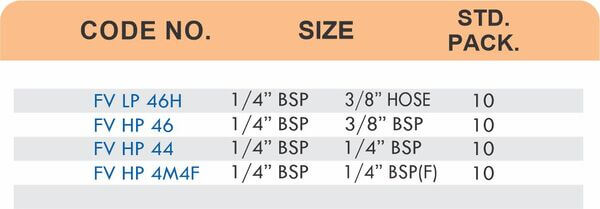
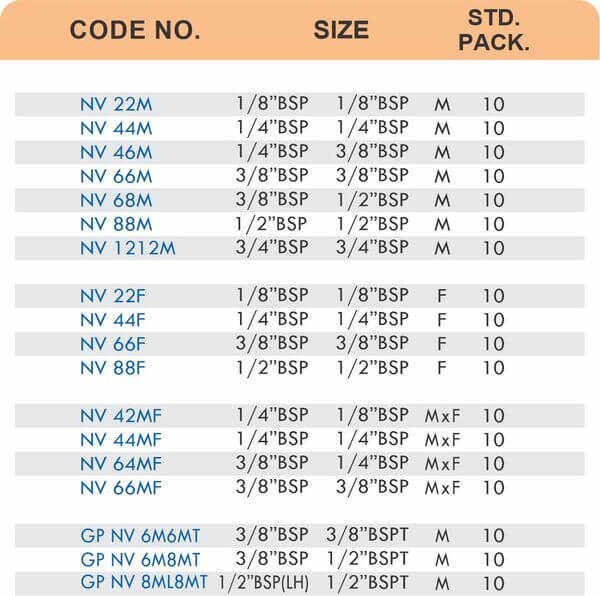
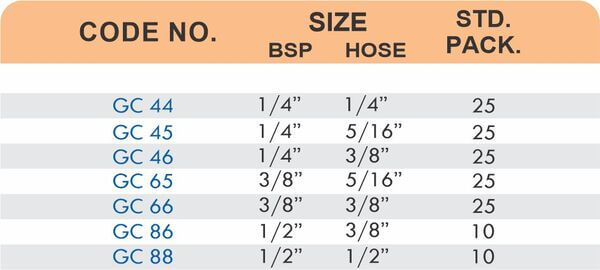
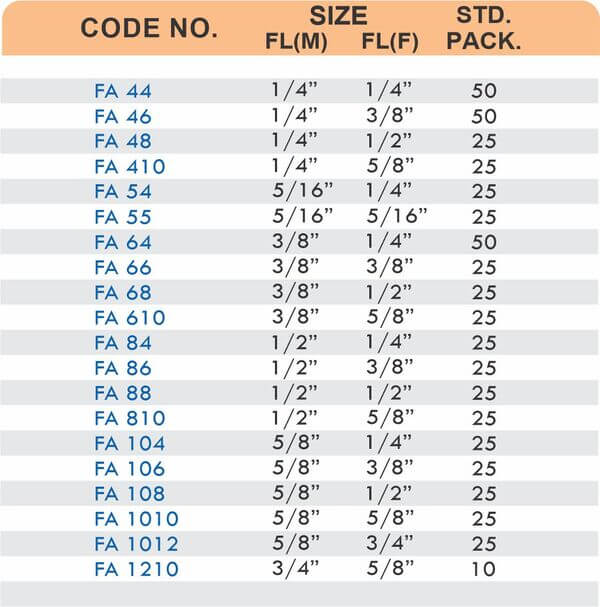
KK International manufactures precision brass tube fittings designed for high-performance fluid systems across hydraulic, instrumentation, water, and pneumatic applications. Our fittings meet international standards for dimensional accuracy, material purity, and pressure certification. Browse our complete tube fitting range at kkinternational.co.in or contact our technical team for application guidance, custom sizing, or bulk specifications. Get fittings that seal tight, stay sealed, and outlast expectations.