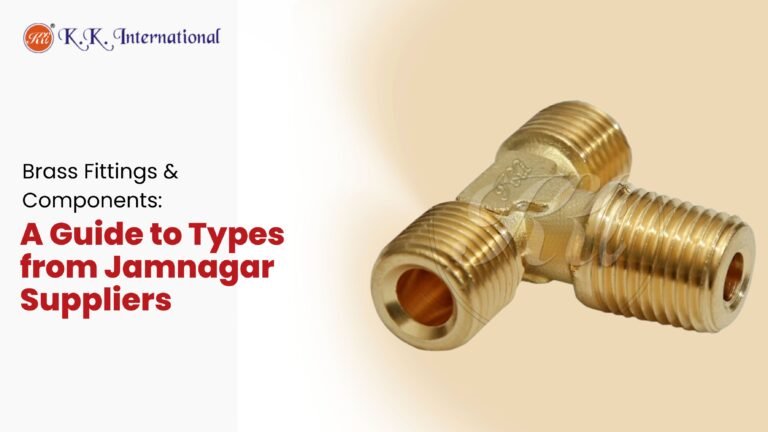
Brass Fittings & Components: A Guide to Types from Jamnagar Suppliers
Jamnagar, known as India’s brass manufacturing capital, hosts specialized suppliers with decades of experience producing precision fittings and components for global industrial applications. These manufacturers combine CNC machining, rigorous quality control, and comprehensive product ranges that eliminate sourcing complications while delivering reliable performance.
This guide explains the common types of brass fittings and components available from Jamnagar suppliers, their specific applications across industries, material and threading options that affect performance, and how to select suppliers capable of meeting technical requirements consistently.
Understanding Brass Fittings and Components
Brass fittings connect pipe segments, change flow directions, and enable system assembly with leak-proof connections. Components include valves, electrical parts, fasteners, and custom precision pieces that serve specific functions.
Manufacturing starts with high-grade brass alloys selected for strength, corrosion resistance, and machinability. Hot forging shapes basic forms while CNC machining creates precise threads, sealing surfaces, and critical dimensions.
The combination of copper and zinc creates brass’s unique properties. Corrosion resistance exceeds steel, malleability allows precise thread forming, and antimicrobial properties benefit water contact applications.
Common Brass Pipe Fittings from Jamnagar
Elbow Fittings
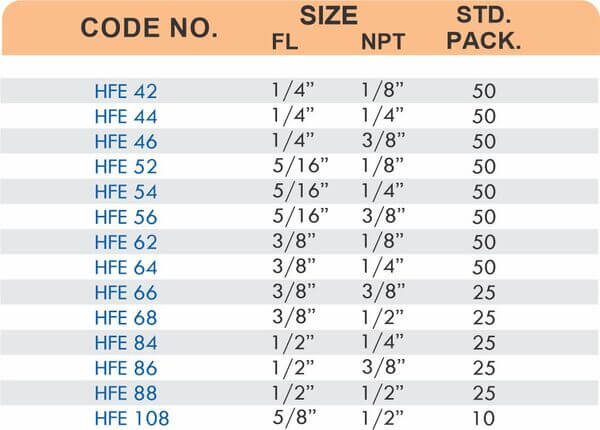
Elbows change pipe direction at 90-degree or 45-degree angles. These fittings prevent sharp bends that would kink flexible pipes or require extensive space for gradual curves.
Common applications include plumbing systems navigating wall cavities, HVAC installations routing around structural elements, and industrial piping following equipment layouts. The smooth internal radius maintains flow efficiency while the threaded or compression connections ensure leak-proof joints.
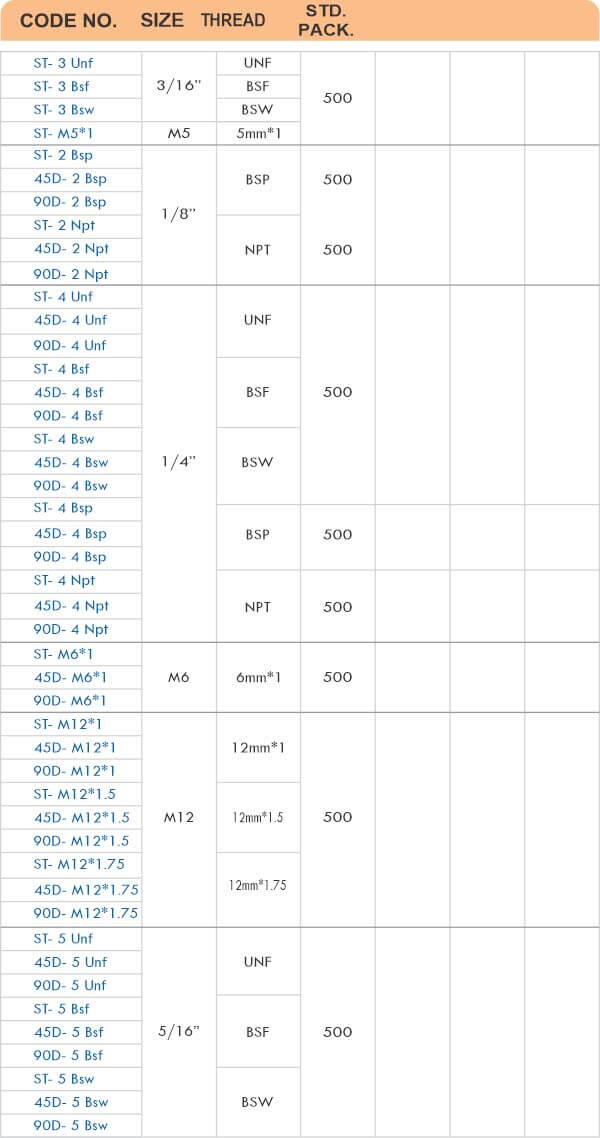
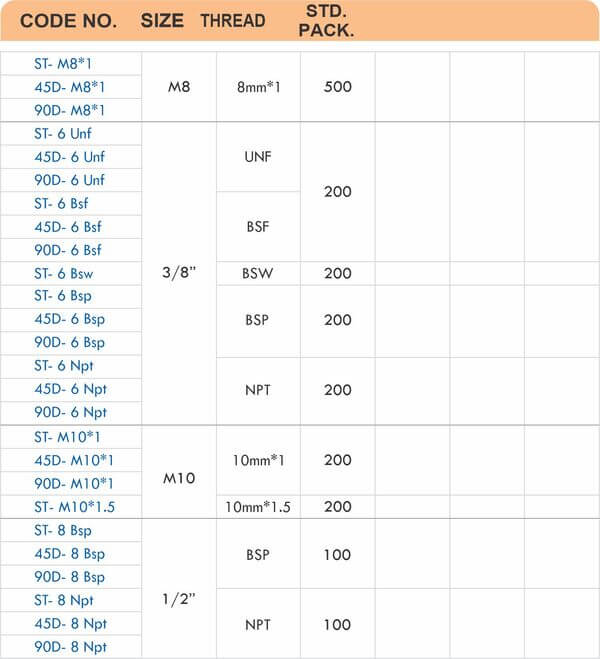
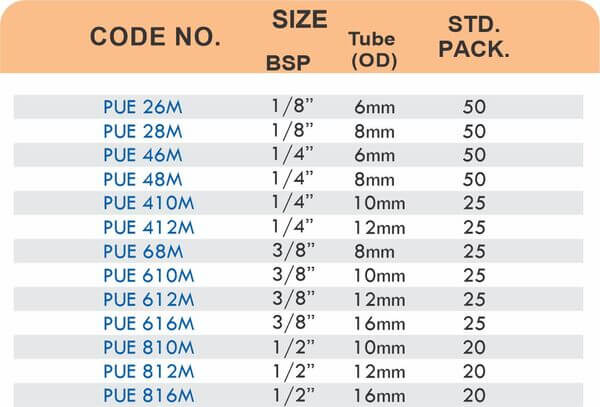
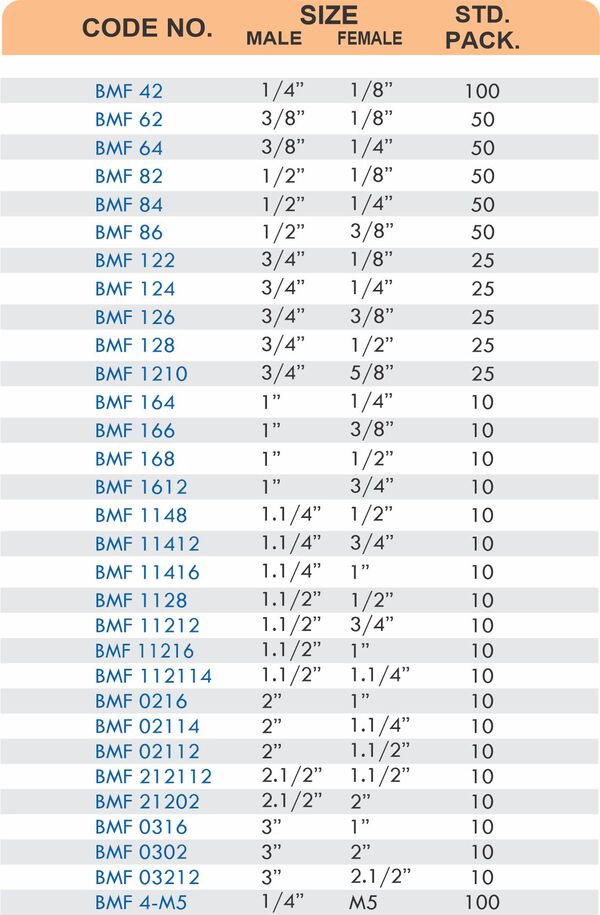
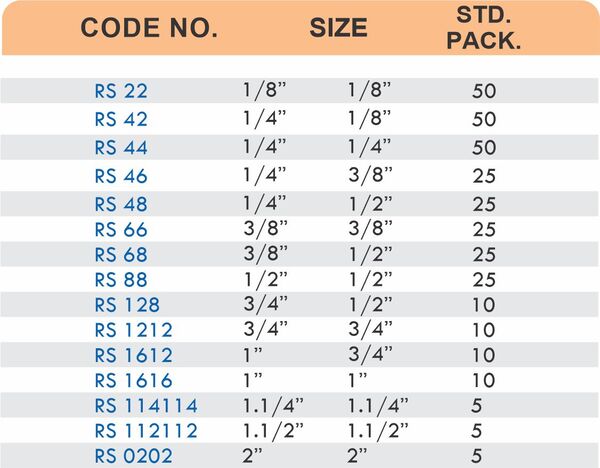
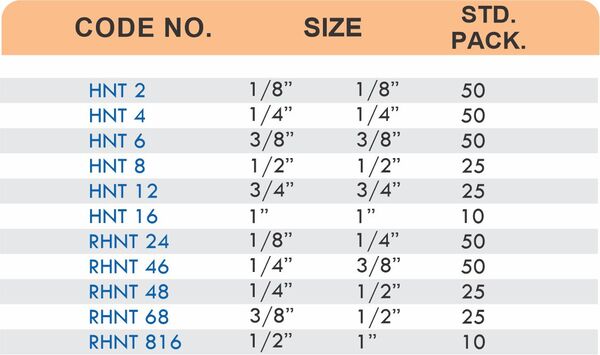
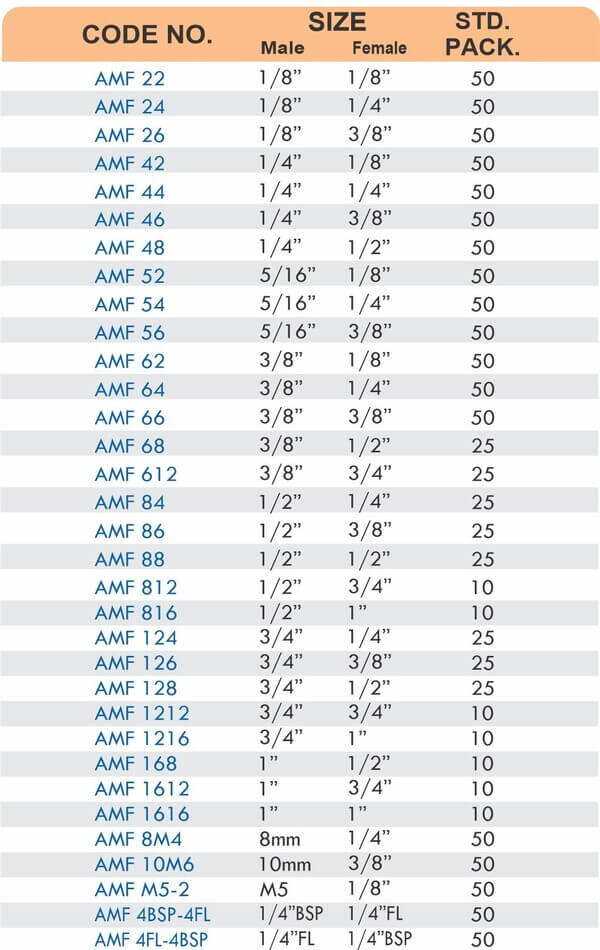
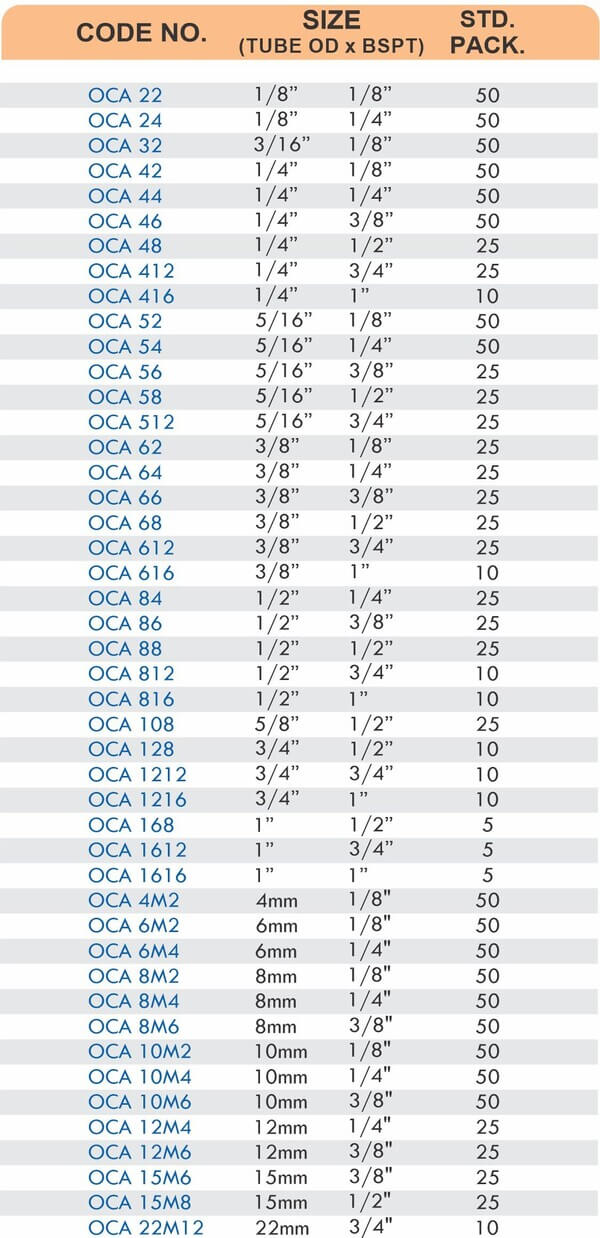
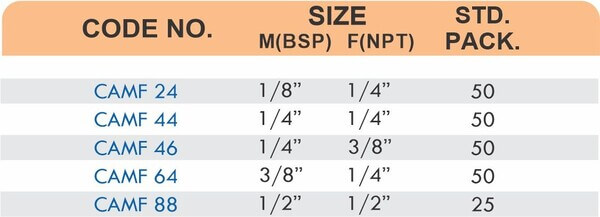
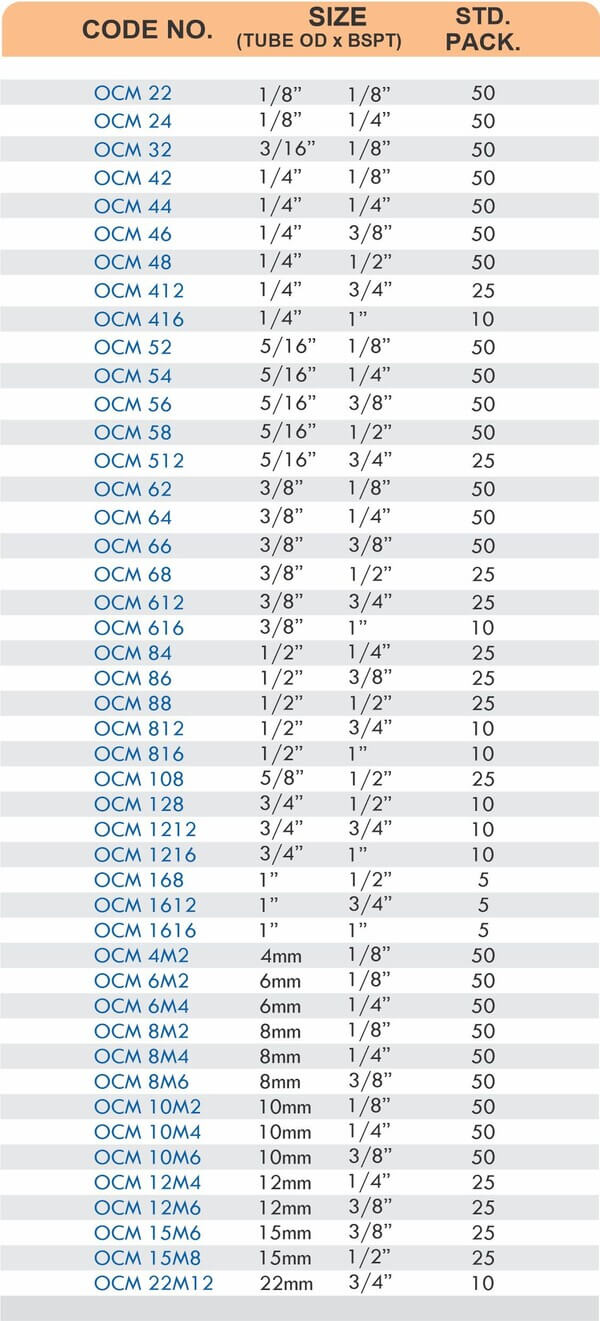
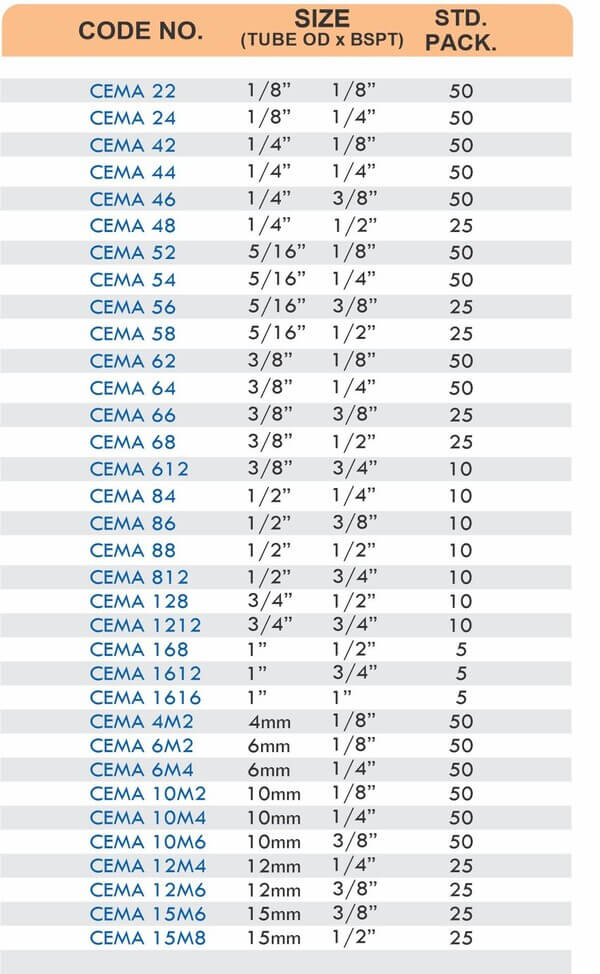
Jamnagar manufacturers produce elbows in standard sizes from 1/8″ to 2″ with BSP, NPT, or metric threads to match pipe standards worldwide.
Tee Fittings
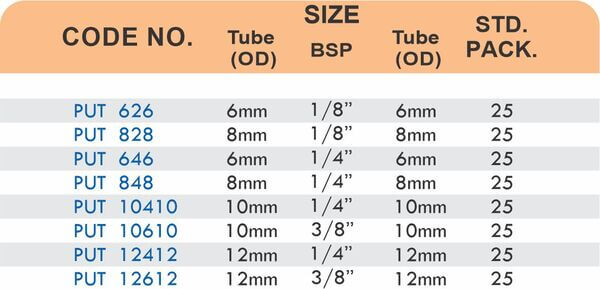
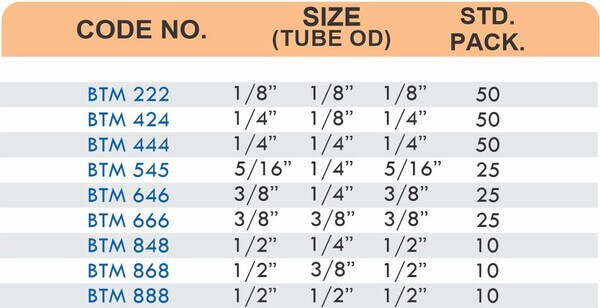
Tees create branch connections in piping systems. One inlet splits into two outlets for distributing flow to multiple destinations or combining flows from separate sources.
Water distribution manifolds use tees to supply multiple fixtures from single supply lines. Pneumatic systems employ tees for distributing compressed air to tool drops and equipment connections.
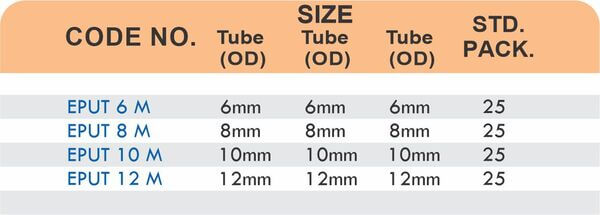
Equal tees maintain identical port sizes while reducing tees incorporate different diameters for size transitions at branch points.
Couplings and Connectors
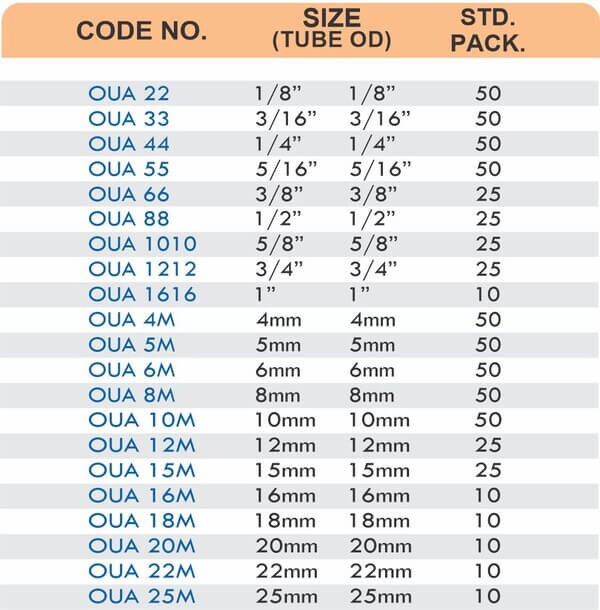
Couplings join two pipe segments in straight runs. These fittings extend piping lengths or repair damaged sections without requiring complete line replacement.
Standard couplings use internal threads on both ends to accept male pipe threads. Compression couplings employ ferrules that grip pipe surfaces for assembling systems without threading the pipe itself.
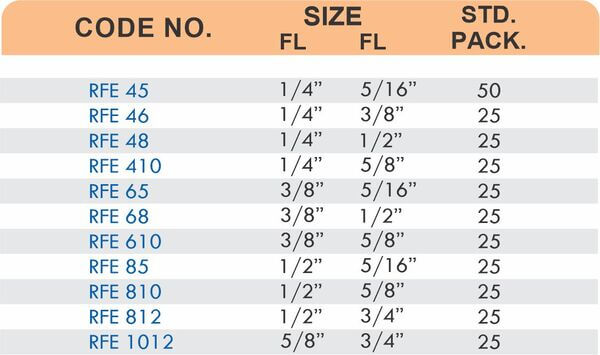
Jamnagar suppliers offer couplings in reducing configurations that transition between different pipe diameters within a single fitting.
Union Fittings
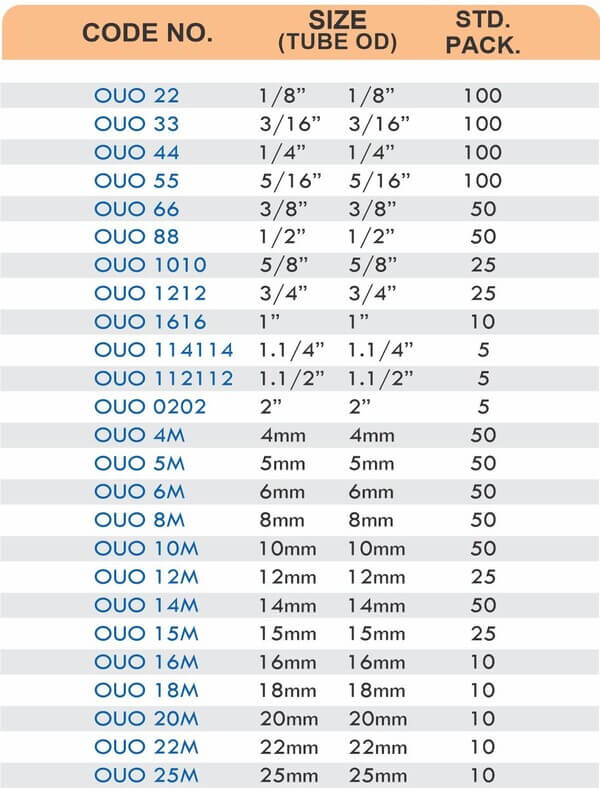
Unions provide detachable connections for maintenance access. Three-piece construction allows disconnection without unthreading long pipe sections or rotating equipment.
Valve installations benefit from unions on both sides that permit removal without disturbing adjacent piping. Equipment connections use unions for simplified replacement during maintenance.
The metal-to-metal sealing surfaces in quality unions prevent leaks without gaskets that would degrade over time.
Reducers and Bushings
Reducers transition between different pipe sizes. Concentric reducers maintain centerline alignment while eccentric versions prevent air pockets in horizontal runs.
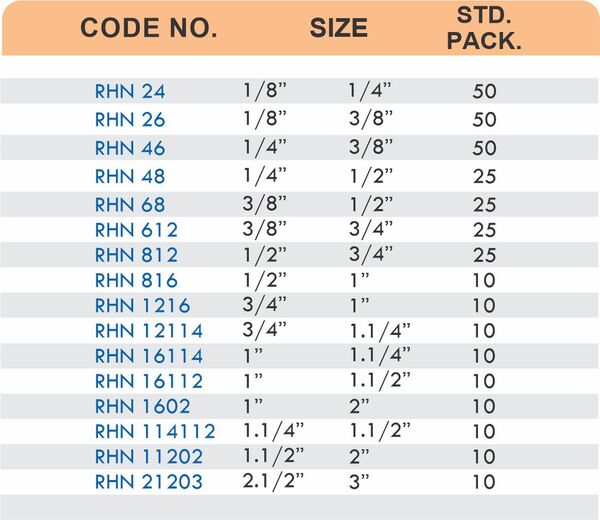
Bushings accomplish size reduction within threaded fittings. These components thread into larger fittings to accept smaller pipes without requiring separate reducer fittings.
Jamnagar manufacturers produce reducers in standard combinations covering common size transitions in plumbing and industrial systems.
Nipples
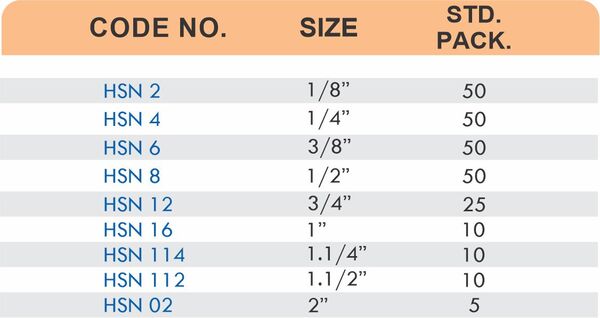
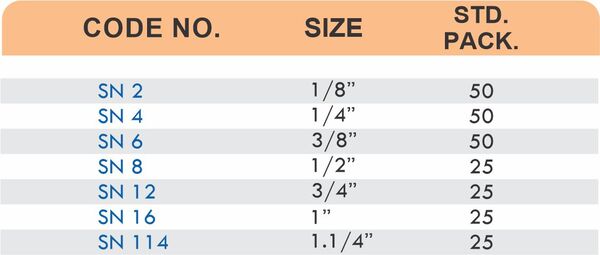
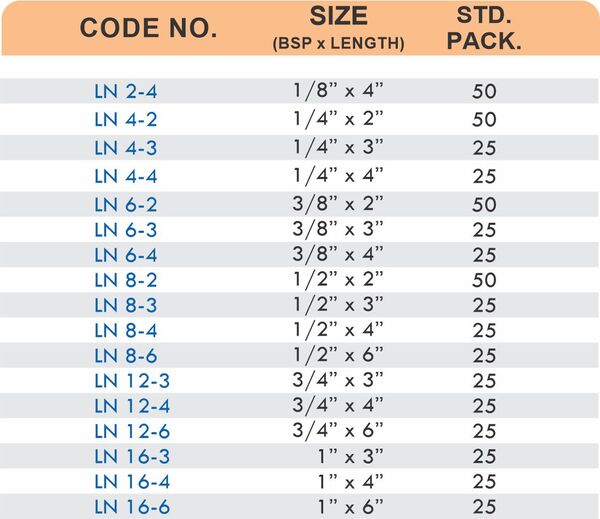
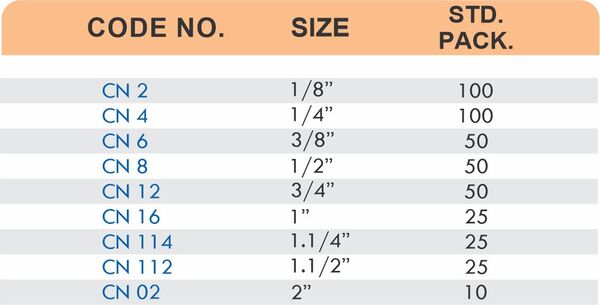
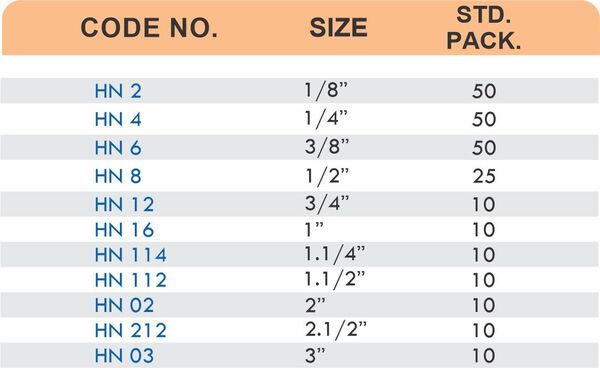
Nipples connect fittings or equipment in close proximity. These short threaded pipe sections come in lengths from close (fully threaded) to 12 inches.
Close nipples place fittings immediately adjacent for compact installations. Longer nipples provide spacing for valve operation, gauge mounting, or equipment clearance.
Hex nipples incorporate wrench flats for installation in confined spaces where pipe wrenches cannot access standard round bodies.
Compression and Flare Fittings
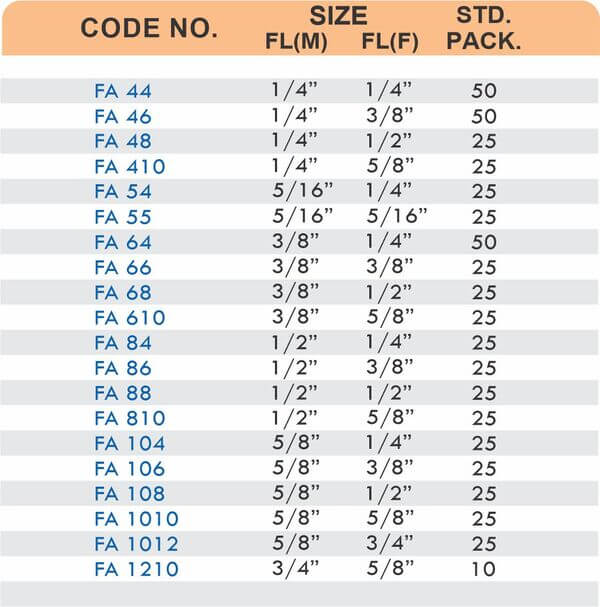
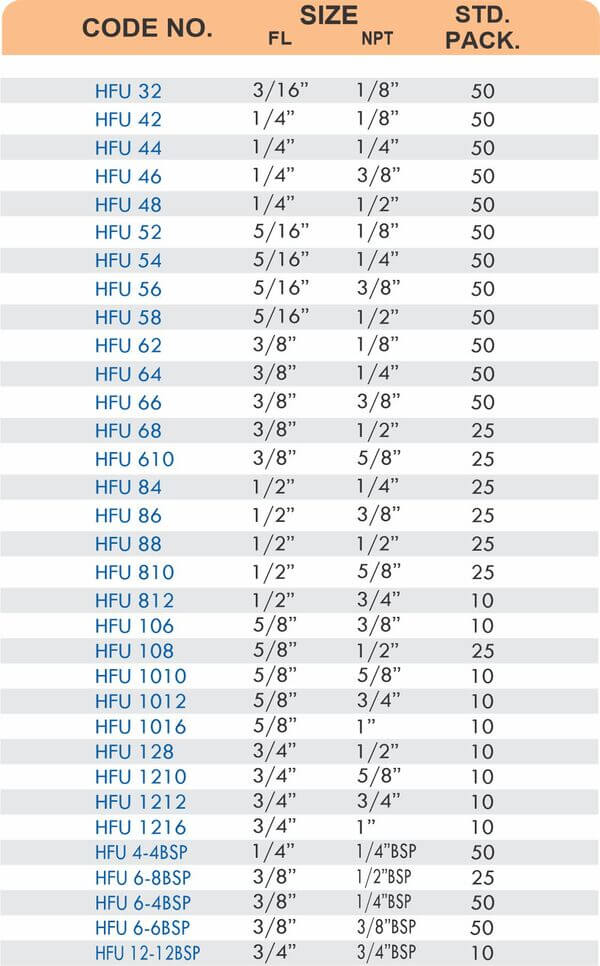
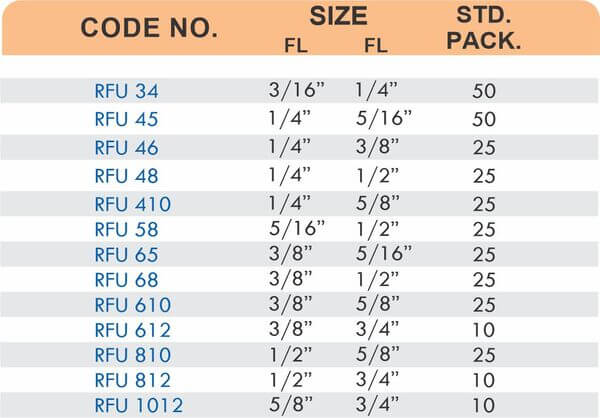
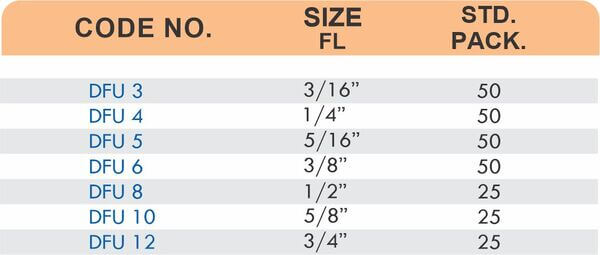
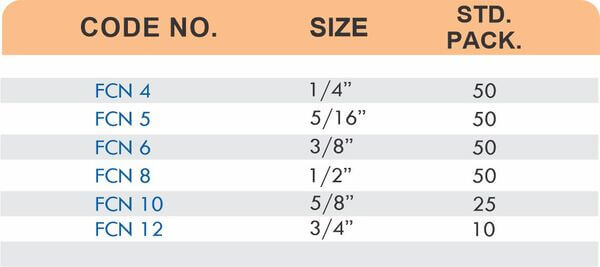
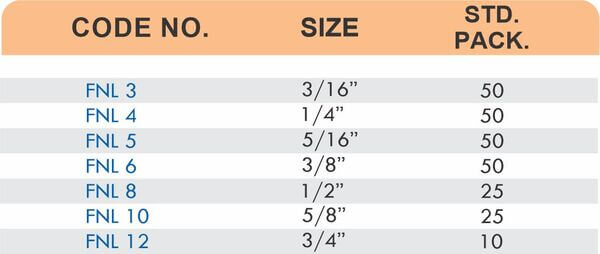
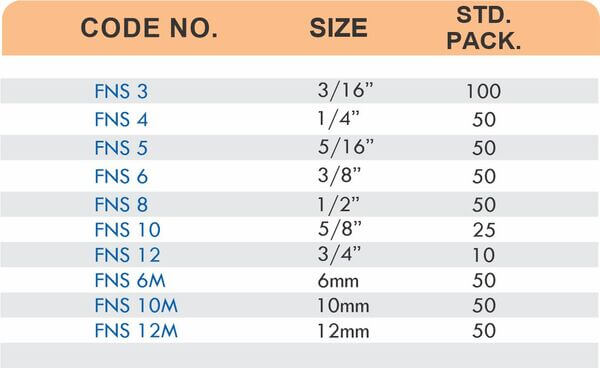
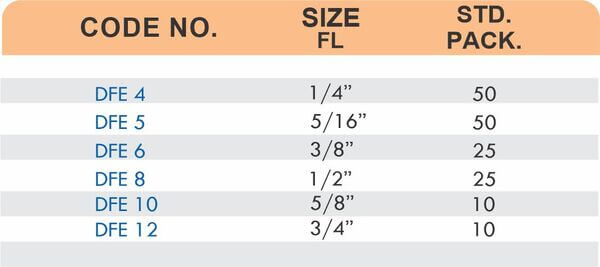
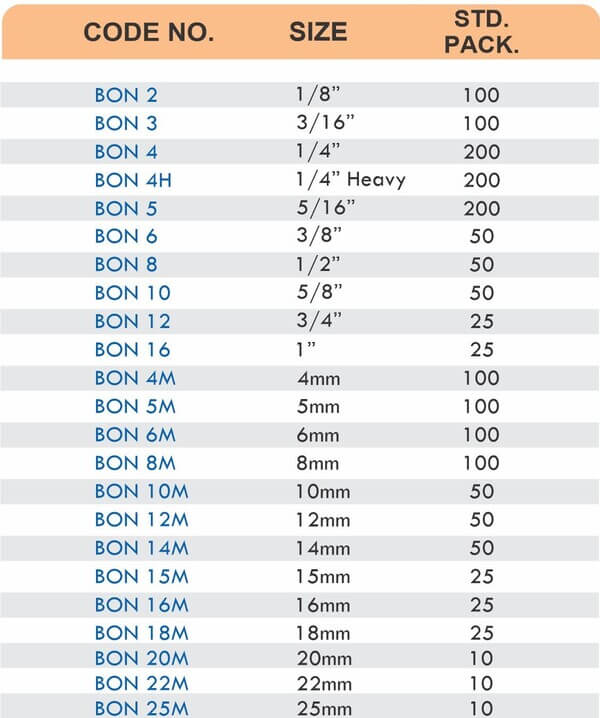
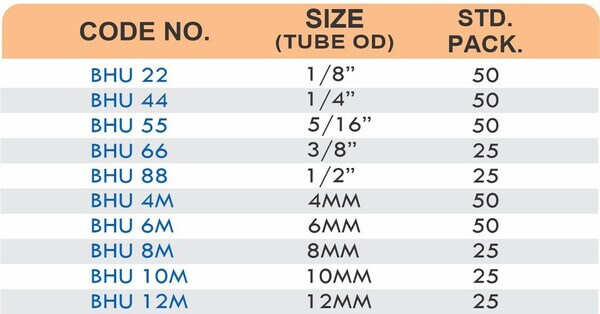
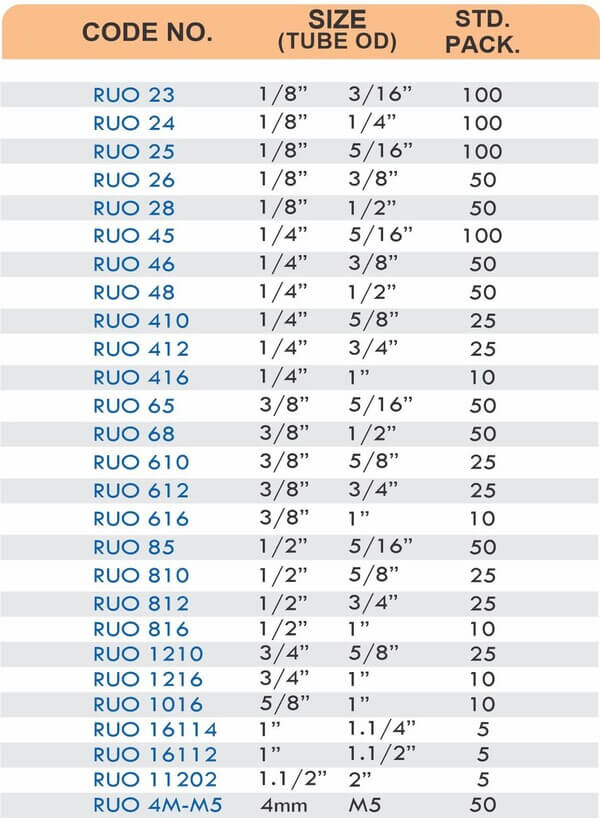
Compression fittings seal without solder or thread sealant. A ferrule compresses onto the pipe surface as the nut tightens, creating a mechanical seal suitable for repeated assembly.
These fittings work with copper, plastic, and aluminum tubing in applications from residential plumbing to automotive fuel lines. The ability to disassemble without damage supports maintenance and modifications.
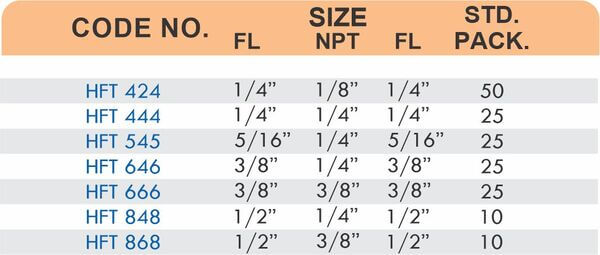
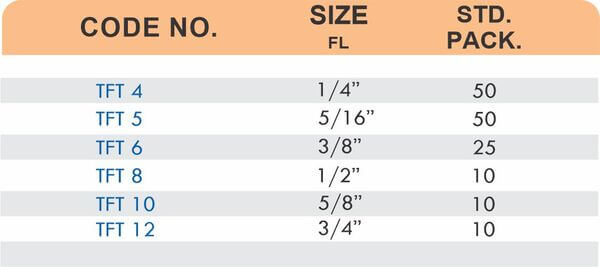
Flare fittings use pipe ends expanded to 45-degree angles that mate with conical fitting surfaces. This connection style handles higher pressures than compression joints while maintaining disassembly capability.
Specialized Brass Components from Jamnagar
Valve Components
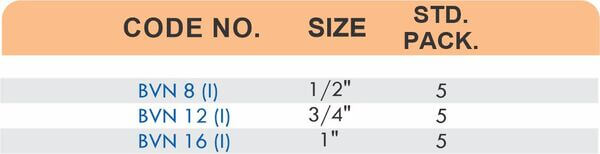
Brass valve bodies, stems, seats, and actuators control flow in plumbing, HVAC, and process systems. Ball valves provide quarter-turn shutoff while gate valves minimize flow restriction.
Check valves prevent reverse flow in pump discharge lines and gravity systems. Pressure relief valves protect systems from overpressure conditions.
Jamnagar manufacturers produce complete valve assemblies and replacement components for maintenance applications.
Electrical Fittings
Cable glands seal electrical conduit entries while maintaining grounding continuity. Brass construction provides durability and electromagnetic shielding in industrial environments.
Terminal blocks, bus bars, and connector bodies use brass for conductivity and corrosion resistance. These components serve electrical panels, junction boxes, and equipment terminations.
Custom electrical components meet specific requirements for mounting dimensions, current capacity, and environmental protection ratings.
Fasteners and Hardware
Brass nuts, bolts, screws, and washers serve applications requiring corrosion resistance or non-magnetic properties. Marine hardware, pool equipment, and outdoor installations all benefit from brass fasteners.
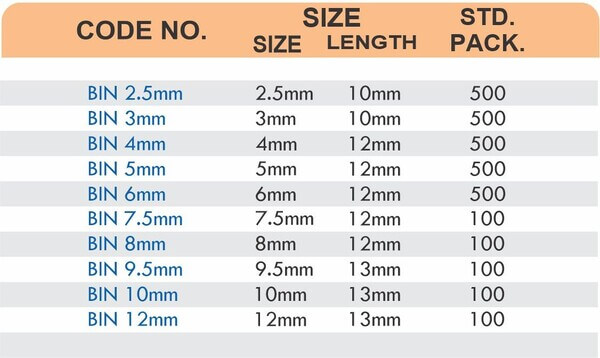
Thread inserts reinforce plastic or soft metal assemblies. These components accept repeated screw installation without thread damage while distributing loads across larger areas.
Furniture hardware including hinges, handles, and decorative elements combines functionality with aesthetic appeal.
Custom Precision Parts
Automotive fuel systems use brass components for carburetors, fuel valves, and connection fittings. Temperature resistance and fuel compatibility make brass suitable for these applications.
Hydraulic systems employ brass for valve bodies, manifold blocks, and specialized fittings. CNC machining creates complex internal passages for flow control and distribution.
Instrumentation requires precision components with tight tolerances. Jamnagar manufacturers produce gauge fittings, sensor housings, and calibration parts meeting demanding specifications.
Material Variations and Threading Standards
Brass Alloy Options
Free-cutting brass (C36000) machines easily for complex parts and provides good strength for general applications. This alloy dominates fitting production due to manufacturing efficiency.
Lead-free brass complies with drinking water regulations. Modified alloys maintain machinability while eliminating lead content that could leach into potable water systems.
Naval brass incorporates tin for superior corrosion resistance in marine environments. This alloy costs more but delivers extended service life in saltwater exposure.
Thread Standards
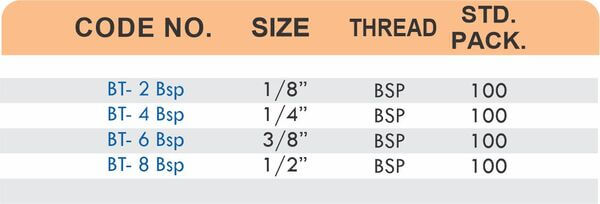
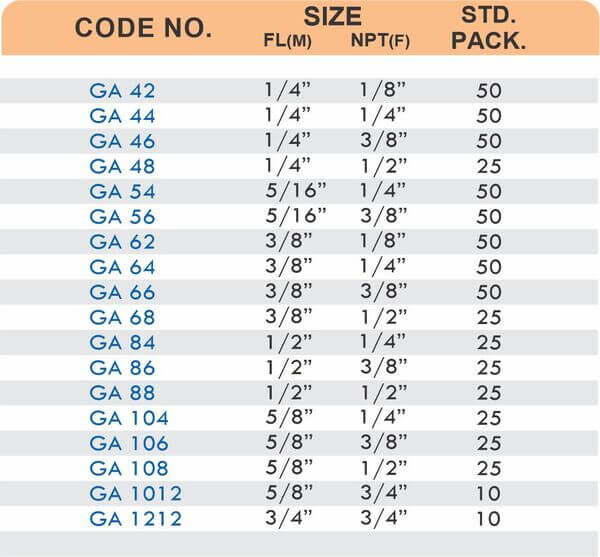
BSP (British Standard Pipe) threads dominate plumbing and industrial applications in India, Europe, and former Commonwealth countries. Parallel threads seal with gaskets or sealant on mating surfaces.
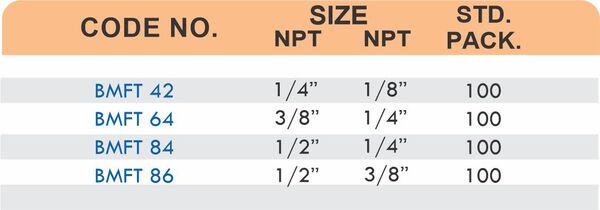
NPT (National Pipe Taper) threads use taper angles that create mechanical seals as connections tighten. This American standard requires thread sealant for leak-proof joints.
Metric threads serve European equipment and machinery. Fine and coarse pitches accommodate different applications with ISO standard dimensions.
Surface Finishes
Natural brass finish provides corrosion resistance for most applications while maintaining electrical conductivity. The characteristic golden color develops a protective patina over time.
Nickel plating enhances corrosion resistance and provides bright, easily cleaned surfaces. This finish suits decorative applications and harsh chemical environments.
Tin plating improves solderability for electrical connections while providing corrosion protection. This finish appears silver and maintains conductivity.
Applications Across Industries
Plumbing Systems
Residential and commercial plumbing relies on brass fittings for water supply, drainage connections, and fixture installations. The material handles hot and cold water without degradation.
Water heater connections, shower valves, and faucet components all use brass for temperature tolerance and leak resistance. Compression fittings simplify installation while maintaining long-term reliability.
Building codes often specify brass for potable water systems due to corrosion resistance and antimicrobial properties.
Automotive Applications
Fuel systems employ brass fittings for carburetor connections, fuel pump interfaces, and tank fittings. Chemical compatibility with gasoline and diesel prevents material degradation.
Brake lines use brass compression fittings that handle hydraulic pressure while permitting disassembly for maintenance. The corrosion resistance withstands brake fluid exposure.
Cooling systems utilize brass for radiator connections, heater core fittings, and thermostat housings. Temperature cycling and coolant chemistry demand materials that resist both.
Industrial Pneumatics and Hydraulics
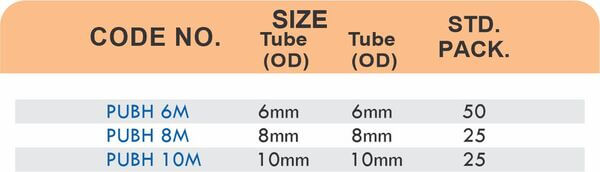
Compressed air distribution systems use brass push-to-connect and compression fittings throughout manufacturing facilities. Quick installation reduces downtime during system modifications.
Hydraulic circuits employ brass manifolds, valve bodies, and high-pressure fittings. The material’s strength handles operating pressures while machining capabilities create complex flow passages.
Lubrication systems distribute oil through brass fittings that resist mineral oil degradation while maintaining precise flow control.
Electrical Installations
Panel boards and switchgear use brass terminal blocks, neutral links, and earthing components. High conductivity and corrosion resistance ensure reliable electrical connections.
Conduit systems employ brass glands, adapters, and junction boxes that protect wiring while maintaining grounding continuity. Electromagnetic shielding properties benefit sensitive electronic installations.
Lighting fixtures incorporate brass sockets, mounting hardware, and adjustment mechanisms that combine functionality with decorative finish.
Why Jamnagar Suppliers Lead Brass Manufacturing?
Specialized Manufacturing Ecosystem
Jamnagar’s concentration of brass manufacturers creates competitive advantages through knowledge sharing, skilled labor availability, and supporting industries. This ecosystem delivers quality and innovation competitors cannot match.
Infrastructure specifically designed for brass production includes specialized foundries, heat treatment facilities, and testing laboratories. These resources support manufacturing excellence across all suppliers.
Three decades of industry development has refined processes and built institutional expertise that translates to consistent product quality.
Advanced Manufacturing Capabilities
Modern CNC machining centers produce complex geometries with tight tolerances. Multi-axis equipment creates parts requiring multiple setups on conventional machines.
Automated inspection systems verify dimensions, surface finish, and thread profiles. Statistical process control identifies trends before parts fall out of specification.
Testing facilities perform pressure testing, material analysis, and dimensional verification that satisfy international certification requirements.
Cost and Quality Balance
Jamnagar manufacturers deliver premium quality at costs 20-40% below Western alternatives. Efficient operations and lower overhead create this advantage without compromising standards.
Volume production capabilities enable quantity discounts for large projects. Custom orders get produced using the same equipment and quality protocols as standard products.
Export infrastructure facilitates global shipping with documentation, packaging, and logistics that ensure on-time delivery.
Selecting the Right Jamnagar Supplier
Quality Certification Verification
ISO 9001 certification indicates systematic quality management. Suppliers with documented processes deliver consistent results across production runs.
Material certifications provide traceability from raw material through finished product. Spectrographic analysis confirms alloy composition meets specifications.
Pressure testing and dimensional inspection reports demonstrate compliance with design requirements. Request sample reports before committing to large orders.
Technical Support Capabilities
Engineering assistance helps specify appropriate fittings for unique applications. Suppliers with technical teams can recommend solutions and develop custom designs.
CAD capabilities support custom part development. Manufacturers that work from drawings ensure parts meet exact specifications without costly revisions.
Application knowledge across industries indicates breadth of experience. Suppliers serving diverse markets understand requirements for different operating conditions.
Production and Delivery Reliability
Manufacturing capacity determines whether suppliers can meet volume requirements. Visit facilities or request capacity statements before large commitments.
Lead time commitments should reflect realistic production schedules. Reliable suppliers communicate delays proactively rather than missing delivery dates.
Inventory policies for standard products enable quick shipment without production delays. Maintained stock benefits projects with urgent requirements.
FAQs
Q: What thread standards do Jamnagar manufacturers support?
A: Jamnagar suppliers produce fittings with BSP, NPT, metric ISO, and custom thread specifications. Most manufacturers maintain tooling for common standards and can create custom threads for specialized applications. Thread gauges verify all production against relevant standards before shipping.
Q: Can Jamnagar suppliers provide lead-free brass fittings for drinking water?
A: Lead-free brass fittings meeting NSF and ANSI standards are available from quality Jamnagar manufacturers. These products use modified alloys that eliminate lead while maintaining strength and machinability. Material certifications document compliance with drinking water regulations.
Q: How do compression fittings from Jamnagar compare to welded connections?
A: Compression fittings provide leak-proof connections without heat, solder, or permanent assembly. They permit disassembly for maintenance and work with pipes that cannot be threaded. Quality Jamnagar compression fittings handle pressures up to 3000 PSI when properly installed.
Q: What minimum order quantities do Jamnagar brass suppliers typically require?
A: Standard fittings often ship in small quantities or single pieces from supplier inventory. Custom components usually require minimum orders of 500-1000 pieces to justify tooling costs. Some manufacturers accept smaller custom orders at higher per-piece pricing.
Q: How long does custom brass component development take with Jamnagar suppliers?
A: Custom development typically requires 2-4 weeks for engineering and sample production. Tooling fabrication adds another 2-3 weeks before full production begins. Total timeline from specification to delivery ranges from 6-10 weeks depending on complexity.
Conclusion
Jamnagar’s brass fitting and component suppliers offer comprehensive product ranges, advanced manufacturing capabilities, and quality standards that satisfy demanding industrial applications. Understanding the types available, their specific applications, and supplier selection criteria enables successful sourcing that delivers both performance and value.
Connect with established Jamnagar manufacturers that demonstrate quality certifications, technical expertise, and production capacity matching project requirements.
K K International manufactures precision brass fittings and components in Jamnagar’s specialized industrial hub. Our CNC machining, rigorous quality control, and comprehensive product catalog serve plumbing, automotive, pneumatic, hydraulic, and electrical applications worldwide. Contact our engineering team today to discuss specific requirements and discover how our manufacturing capabilities deliver the exact fittings and components projects demand with reliability, precision, and competitive pricing.