Brass Compression Fittings: Gas vs Water Usage Guide
Using compression fittings designed for water on gas lines creates code violations, failed inspections, and dangerous leaks that risk fire or explosion. The fittings look identical, but gas and water applications have fundamentally different requirements—pressure ratings, accessibility standards, and installation methods all change. Brass compression fittings work reliably in both applications when you match the fitting type to the fluid and follow proper installation protocols.
This guide compares brass compression fittings for gas versus water, detailing their function, differentiating factors, governing codes, approved gas uses and restrictions, and installation technique variations.
How Brass Compression Fittings Work
Brass compression fittings create mechanical seals through three components: a fitting body, a compression nut, and a ferrule (also called a compression ring or olive). When you tighten the nut, it pushes the ferrule forward, compressing it between the pipe outer diameter and the fitting’s internal taper. The ferrule deforms, gripping the pipe and creating a hermetic seal that prevents fluid or gas escape.
Single ferrule designs use one ring and work for most residential plumbing and low-pressure gas applications. Double ferrule systems employ two rings that engage sequentially during tightening—the first ring grips the pipe; the second provides a backup seal. Double ferrule fittings deliver superior performance under vibration, pressure cycling, and higher working pressures.
The seal depends on precise dimensional tolerances between ferrule, pipe, and fitting body. This precision explains why mixing components from different manufacturers causes leaks—tapers and angles don’t match, preventing proper compression.
Water Usage Guidelines
Pressure and Temperature Ratings
Brass compression fittings for water applications handle 200-600 PSI depending on size and design. Residential water systems typically operate at 40-80 PSI; commercial systems run 80-150 PSI. Temperature range spans 32°F to 200°F for standard configurations—adequate for hot and cold water distribution.
The fittings work with copper, PEX, CPVC, and PE-RT tubing in potable water, wastewater, and irrigation systems. They install without heat, soldering, or specialized equipment, making them ideal for occupied buildings and tight spaces.
Potable Water Compliance
For drinking water systems, specify brass compression fittings certified to NSF/ANSI Standard 61. Lead-free brass (containing less than 0.25% lead) meets federal Safe Drinking Water Act requirements. Standard brass works for non-potable applications without restrictions.
Installation for Water Systems
Cut pipe ends square and deburr thoroughly—burrs damage the ferrule and cause leaks. Slide the nut onto the pipe first, then the ferrule. Insert the pipe fully into the fitting body until it seats against the internal shoulder. Hand-tighten the nut until snug, then wrench-tighten one full turn past hand-tight. Test at operating pressure before declaring the system ready.
Gas Usage Guidelines
Approved Gas Types and Locations
Brass compression fittings are approved for natural gas and LP/propane in low-pressure applications (typically under 5 PSI) where local codes permit. They work for above-ground residential gas lines connecting appliances like water heaters, furnaces, and ranges in many jurisdictions.
Here’s the uncomfortable reality: most building codes restrict compression fittings on gas lines to accessible locations only. You cannot bury them or install them inside walls where inspection becomes impossible. Many jurisdictions prohibit compression fittings for gas entirely, requiring flare fittings or threaded connections instead.
Code Requirements and Restrictions
Check local building codes before specifying compression fittings for gas. Some municipalities allow them; others ban them completely. The restriction stems from concerns about long-term seal integrity under constant gas pressure and the need for periodic inspection access.
Flare fittings are universally accepted for gas because they create metal-to-metal seals without relying on ferrule compression. If your code allows compression fittings for gas, they must remain visible and accessible for inspection—no concealment behind walls, ceilings, or underground.
Pressure Limitations
Gas compression fittings typically rate for 5 PSI maximum—adequate for residential natural gas distribution (0.25-1 PSI delivery pressure) and LP systems with proper regulation. Higher-pressure gas applications require threaded or welded connections rated for the working pressure.
Key Differences: Gas vs Water
Material Specifications
Water-rated compression fittings use standard brass alloys. Gas-rated fittings require brass meeting specific metallurgical standards for gas service. The visual difference is minimal, but internal grain structure and alloy composition vary. Always verify the fitting is rated and marked for gas use—don’t assume water fittings work interchangeably.
Thread Sealant Requirements
Water compression fittings seal through ferrule compression—no thread sealant needed on the compression nut. Gas fittings require yellow PTFE tape (gas-rated) or pipe dope on threaded connections to prevent gas migration through thread gaps. Never use white PTFE tape (plumber’s tape) on gas—it’s not rated for gas and can break down, clogging orifices.
Leak Testing Protocols
Water systems test by pressurizing with water and observing for drips. Gas systems require soap bubble testing or electronic leak detection. Even minor gas leaks that wouldn’t cause problems with water create explosion hazards. Gas testing must show zero leakage—not “acceptable slow seepage.”
The testing standard differs drastically: a water fitting that weeps slightly still functions; a gas fitting with any detectable leak fails inspection immediately.
Safety and Installation Best Practices
Preparation Steps
For both gas and water, cut tubing perpendicular to the axis using a tube cutter for the cleanest result. Deburr inside and outside edges completely—gas applications are especially sensitive to debris that can clog regulators or pilot lights. Wipe the tube end clean before assembly.
For PEX tubing, insert a stiffening sleeve inside the tube before adding the ferrule. Without the sleeve, ferrule compression crushes the tube wall and restricts flow.
Torque and Tightening
Hand-tighten first to center all components and ensure proper thread engagement. Then apply wrench force—one complete turn past hand-tight for water, three-quarters turn for gas to avoid over-compression. Gas fittings require more conservative tightening because over-deforming the ferrule creates micro-cracks that leak gas over time.
Use two wrenches: one to hold the fitting body stationary, one to turn the nut. Turning the entire assembly instead of just the nut can twist and damage connected piping.
Pressure Testing
For water systems, pressurize to 1.5x working pressure and hold for 30 minutes. Inspect all connections for drips or seepage. For gas systems, pressurize to working pressure with air or inert gas (never with combustible gas during testing), apply soapy water to all connections, and watch for bubbles indicating leaks.
Common Mistakes and Troubleshooting
Don’t use water-rated fittings on gas lines even if they “look the same”—code compliance and safety require gas-rated components. Don’t over-tighten thinking it strengthens the seal—excessive force damages the ferrule and causes leaks. Don’t skip deburring—burrs score the ferrule and create leak paths.
For gas applications, don’t install compression fittings in inaccessible locations regardless of what water plumbing allows. The inspection requirement is non-negotiable.
Persistent leaks usually indicate: damaged tubing (scored or scratched surface), mismatched components from different manufacturers, insufficient or excessive tightening, or missing support sleeves on plastic tubing.
FAQs
Are compression fittings safe for natural gas lines?
Compression fittings are safe for natural gas when they’re specifically rated for gas service, installed in accessible locations, and permitted by local code. Many jurisdictions restrict them to above-ground, visible installations only. Always verify local code compliance before using compression fittings for gas.
Can I use the same compression fitting for both water and gas?
No. Water-rated and gas-rated compression fittings may look identical but require different material specifications and certifications. Gas fittings must meet specific standards for gas service. Using water fittings on gas lines violates code and creates safety hazards.
Why do some codes prohibit compression fittings for gas?
Compression fittings rely on maintained ferrule pressure for sealing. Over time, vibration, thermal cycling, and material creep can slightly reduce compression, potentially allowing gas seepage. Flare fittings create metal-to-metal contact that doesn’t depend on maintained compression. Codes restricting compression fittings for gas prioritize long-term seal reliability.
Do I need thread sealant on compression fittings?
No sealant is needed on the compression nut—it seals through ferrule contact, not threads. However, if the fitting body has threaded connections to pipe, those threads require yellow PTFE tape (for gas) or standard pipe dope/white tape (for water). Never put sealant between the ferrule and tubing.
Can compression fittings be reused on gas lines?
Compression fittings on gas lines should not be reused. Once the ferrule compresses to seal, disassembly and reassembly degrades seal quality. Water systems tolerate 2-4 reuse cycles; gas systems require fresh ferrules and tubing for each installation to ensure zero-leak performance.
Install with Confidence
Brass compression fittings deliver reliable performance in both water and gas applications when you match the fitting rating to the fluid, follow code requirements, and install correctly. The key is understanding that identical-looking fittings serve fundamentally different purposes with distinct installation and safety protocols.
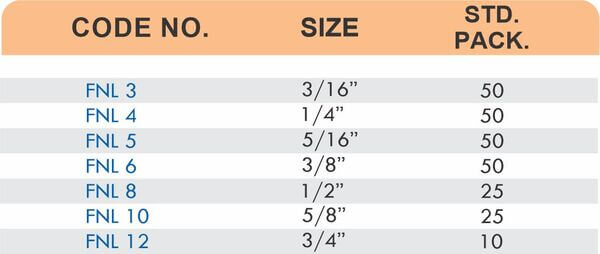
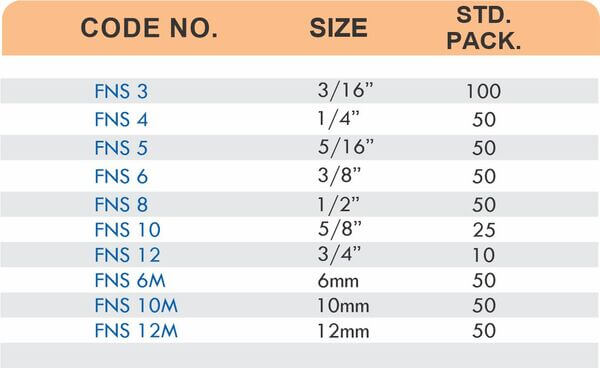
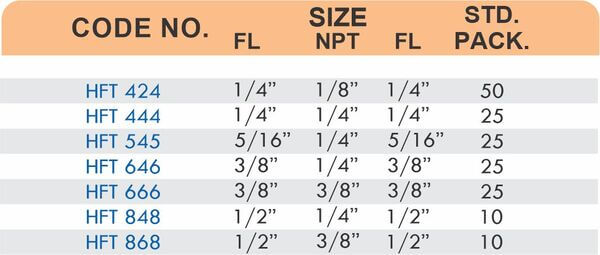
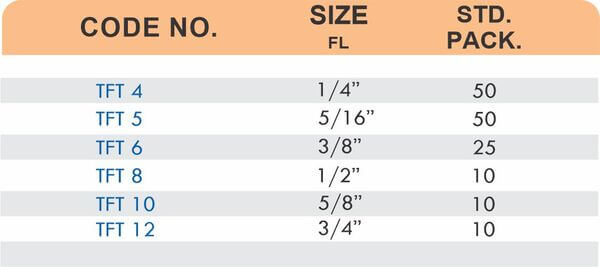
KK International manufactures precision brass compression fittings engineered for both water and gas applications, meeting international standards for material quality, dimensional accuracy, and pressure ratings. Our fittings comply with NSF/ANSI standards for potable water and gas service specifications where applicable. Browse our complete range of compression fittings at kkinternational.co.in or contact our technical team for code compliance guidance, application recommendations, and proper installation procedures. Get fittings rated for your specific application—water or gas—with the certifications and performance you need.