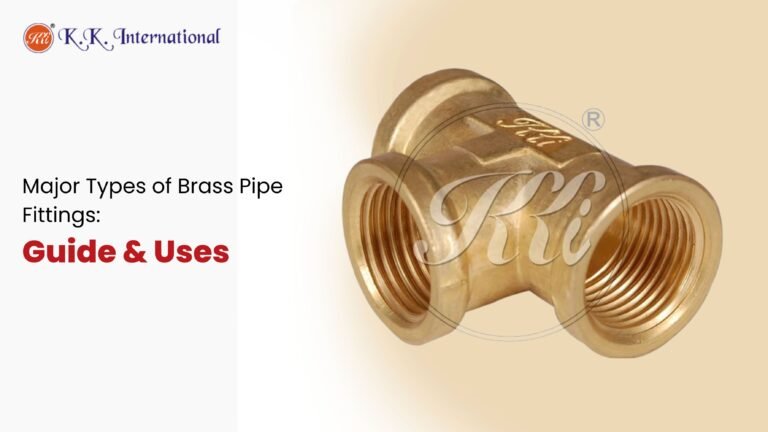
Major Types of Brass Pipe Fittings: Guide & Uses
Specifying the wrong fitting type for your piping layout wastes materials, installation time, and creates leak-prone connections that fail within months. Most system designers know they need fittings but struggle to match the specific type—elbow, tee, coupling, adapter—to each connection requirement. Brass pipe fittings come in dozens of configurations, each solving a specific layout challenge from directional changes to diameter transitions. This guide breaks down the major brass fitting types, explains what each does, and shows where to use them across plumbing, gas, HVAC, and industrial systems. You’ll learn which fitting handles your exact connection needs and why brass delivers superior reliability compared to alternatives.
Elbows and Directional Fittings
90-Degree Elbows
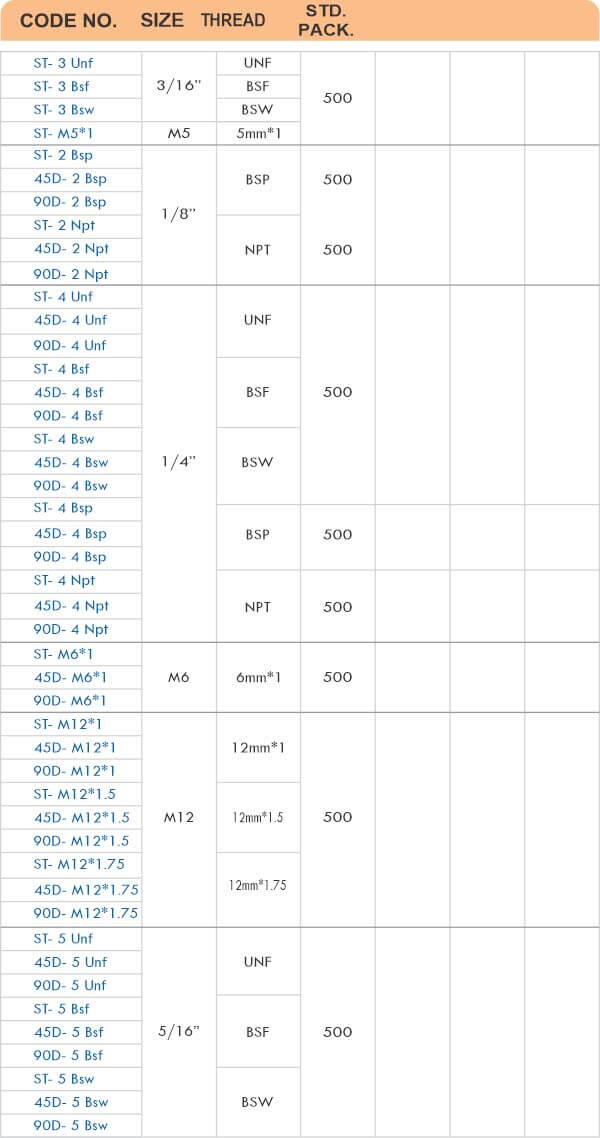
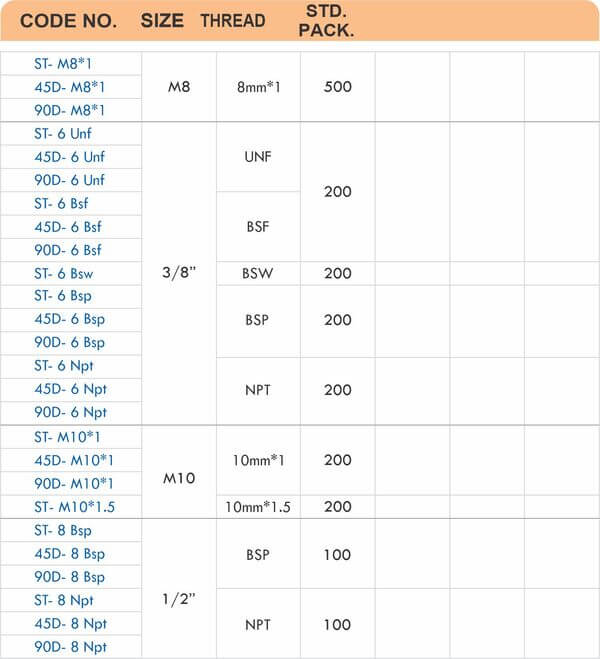
90-degree elbows redirect pipe flow at right angles, essential for navigating corners, walls, and vertical-to-horizontal transitions. They create sharp directional changes in tight spaces where bending the pipe isn’t practical. Standard 90-degree elbows come in street configurations (one male threaded end, one female) or standard versions (both female threaded).
Use 90-degree elbows in residential plumbing for supply line corners, HVAC installations routing refrigerant around obstacles, and compressed air distribution changing direction at machinery.
45-Degree Elbows
45-degree elbows create gentler directional changes that reduce flow restriction and pressure drop compared to 90-degree turns. The gradual angle maintains flow velocity better, making 45-degree elbows preferred in high-flow or gravity-drain applications. They also allow routing around obstacles at angles other than 90 degrees.
Two 45-degree elbows in sequence create the same directional change as a single 90-degree elbow but with 15-20% less flow resistance.
Tees and Branch Fittings
Equal Tees
Equal tees connect three pipes of identical diameter, creating branch points where flow splits or combines. One inlet feeds two outlets, or two inlets combine into one outlet. Equal tees appear in distribution systems, manifold assemblies, and anywhere you need to split flow without changing pipe size.
Common applications include water supply branch lines, compressed air distribution to multiple machines, and HVAC zone splitting.
Reducing Tees
Reducing tees handle three different pipe sizes at once—typically a larger main line with a smaller branch takeoff. They eliminate the need for separate reducer fittings, cutting parts count and potential leak points. The reducing port can be on the branch (most common) or on one end of the run.
Use reducing tees when branching smaller lines from main distribution pipes or when adding auxiliary connections to existing systems.
Couplings and Straight Connectors
Straight Couplings
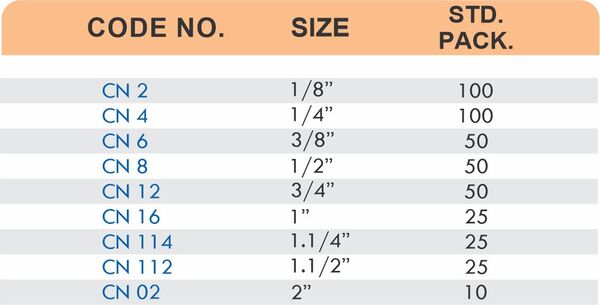
Straight couplings join two pipes end-to-end in a linear configuration. They repair damaged pipe sections, extend pipe runs, or connect pre-cut lengths. Standard couplings have female threads on both ends; threaded pipe sections screw in from each side.
Couplings appear in every piping system for repairs, extensions, and assembly. They’re the simplest, most common brass fitting type.
Unions
Unions create detachable connections that disassemble without cutting pipe or destroying fittings. A union consists of three parts: two end pieces that thread onto pipes, and a central nut that joins them. Loosening the nut separates the connection.
Install unions wherever you might need future access—before equipment, at system boundaries, and in sections requiring seasonal maintenance. They’re essential for removing pumps, heaters, and meters without demolishing permanent connections.
Reducing Couplings
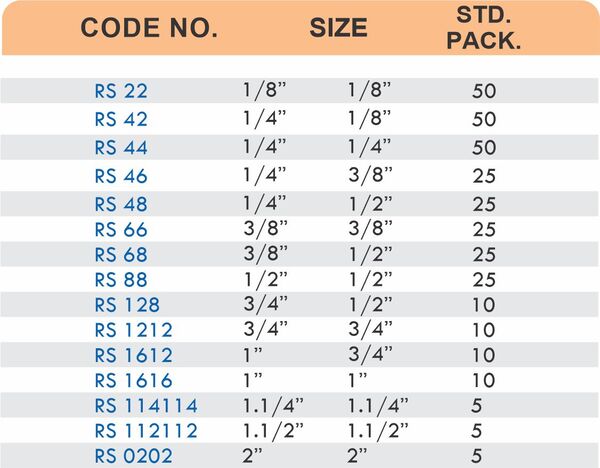
Reducing couplings transition between two different pipe sizes in a straight run. They eliminate the need for separate reducer bushings and save installation time. One end accepts a larger diameter pipe; the other connects with a smaller diameter.
Adapters and Transition Fittings
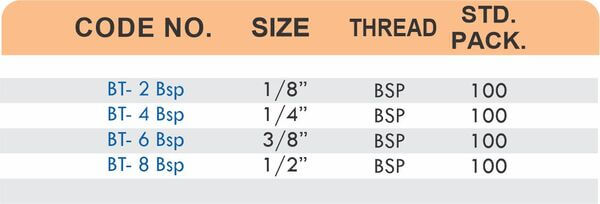
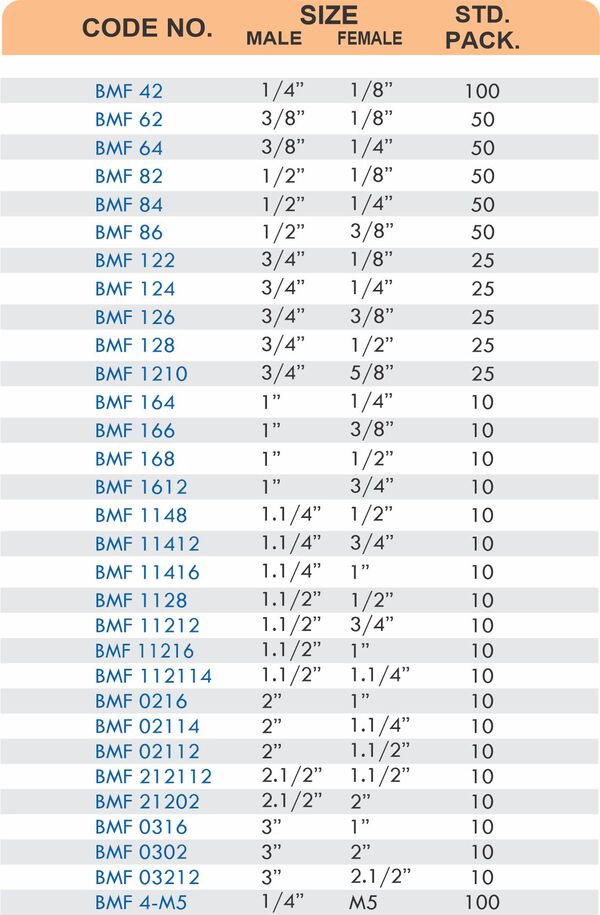
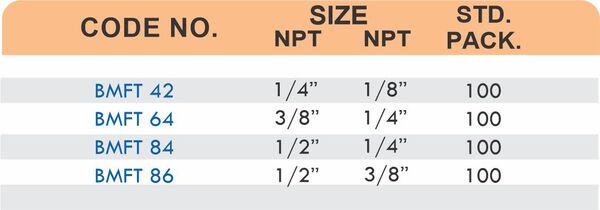
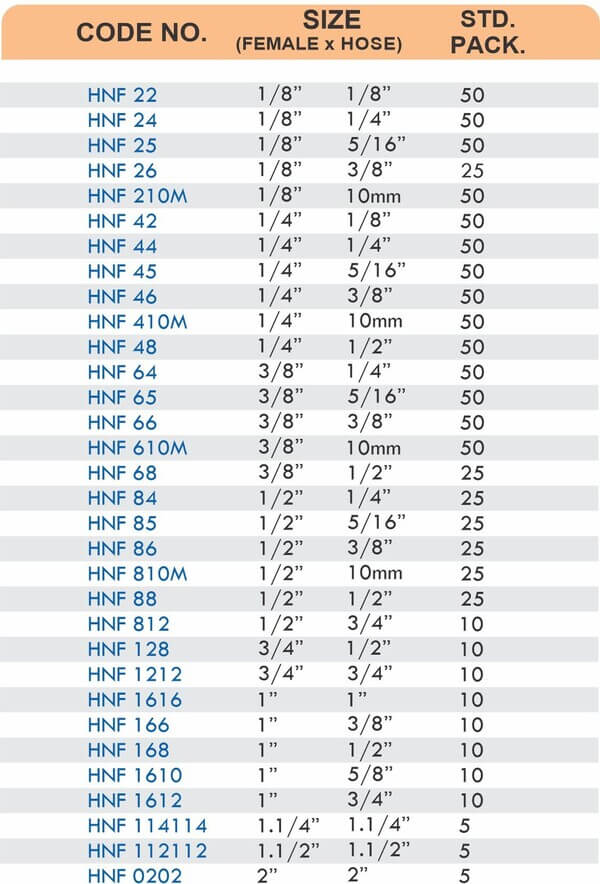
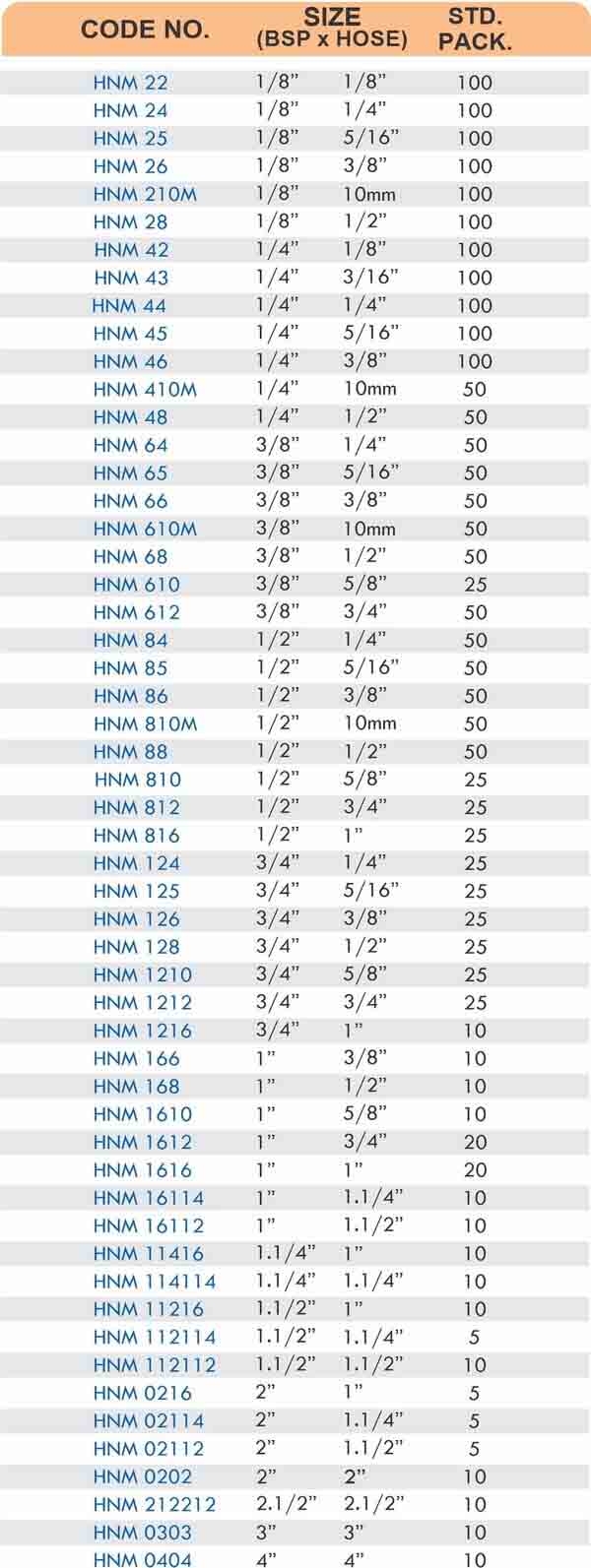
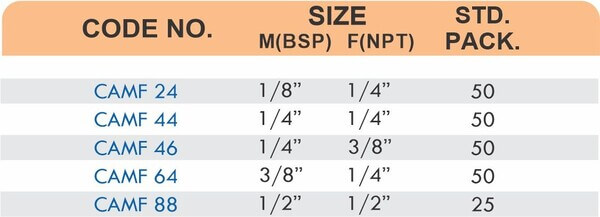
Adapters bridge different connection types—threaded to compression, male to female, pipe to hose. Male adapters have external threads on one or both ends; female adapters have internal threads. They interface brass systems with other materials (copper, PEX, steel) and convert between thread standards (NPT to BSPT).
Common adapter types include:
- Male-to-female adapters (converting thread gender)
- Compression-to-threaded adapters (connecting different fitting styles)
- Hose-to-pipe adapters (attaching flexible hose to rigid pipe)
- Flange adapters (connecting threaded fittings to flanged equipment)
Adapters appear in retrofit installations, material transitions, and equipment connections where standardized fittings don’t match existing infrastructure.
Nipples and Short Connectors
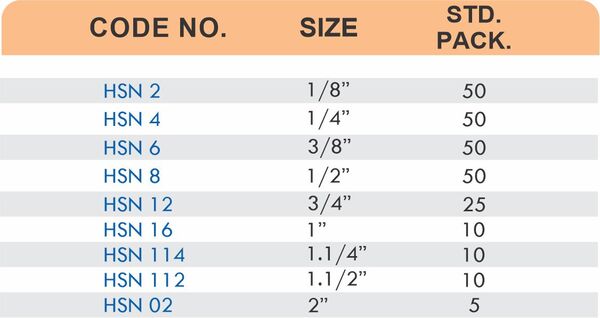
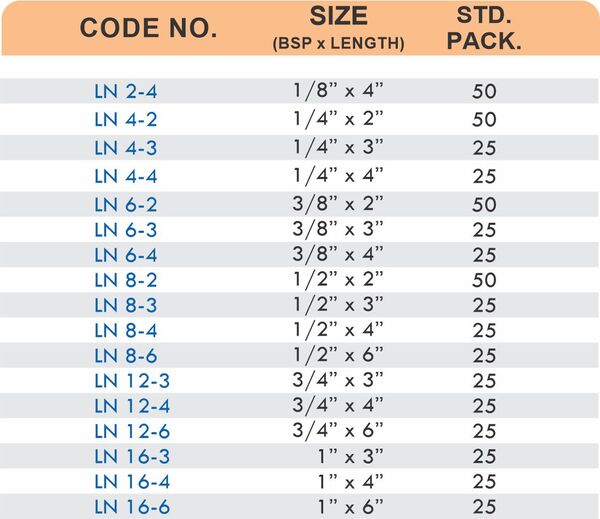
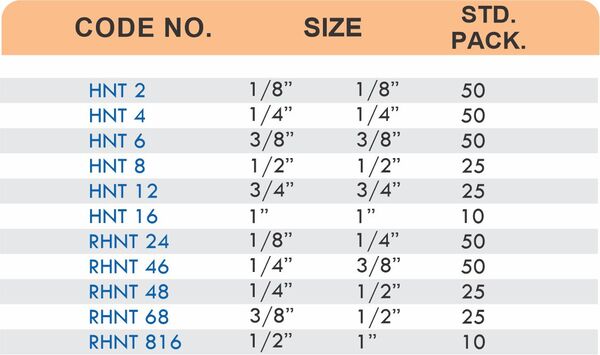
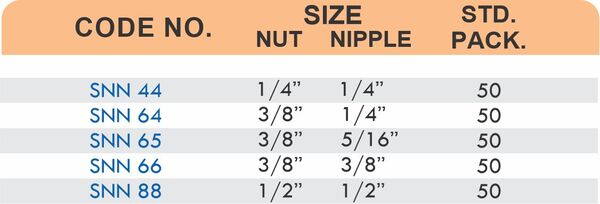
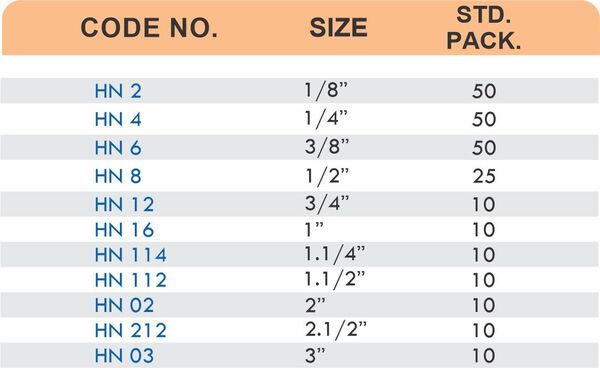
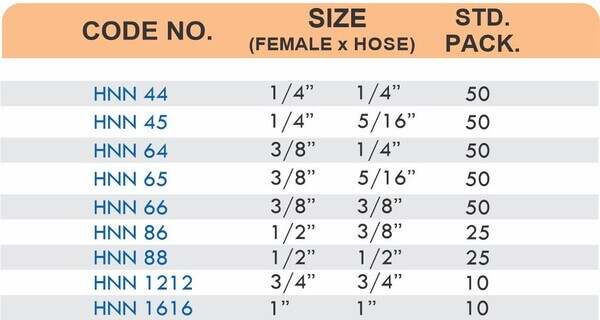
Nipples are short pipe segments threaded on both ends, connecting two fittings at close distances. Hex nipples feature a six-sided center section for wrench grip; close nipples thread end-to-end with no smooth section; standard nipples have unthreaded centers in various lengths.
Use nipples to extend between fittings, create short connections in tight spaces, and join components when couplings would be too long. They’re essential for close-quarters plumbing and equipment connections.
Caps, Plugs, and End Fittings
Caps and Plugs
Caps thread onto male pipe ends; plugs thread into female fittings. Both seal pipe terminations, closing unused outlets or capping lines during testing and maintenance. Caps are female-threaded; plugs are male-threaded.
Use caps to seal unused tee branches, close temporary test ports, and terminate dead-end pipe runs. Plugs close unused fitting ports and seal threaded openings in manifolds or equipment.
Reducing and Specialty Fittings
Bushings
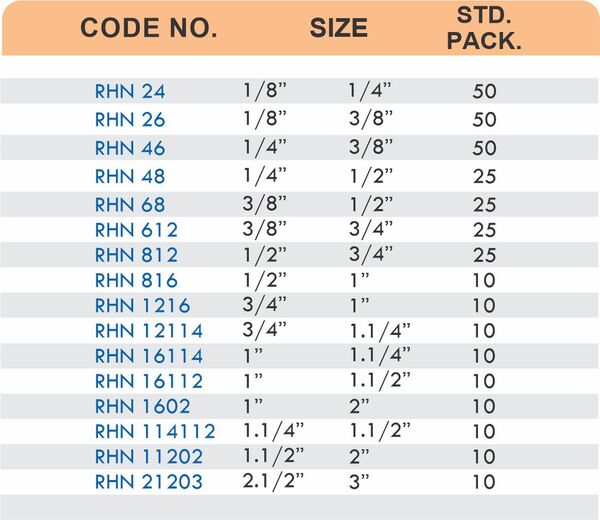
Bushings reduce pipe diameter at fitting connections. They thread into the larger female fitting and provide a smaller female port inside. Hex bushings have wrench flats for easy installation; flush bushings sit recessed.
Bushings convert oversized fittings to smaller pipe sizes and adapt equipment ports to available pipe dimensions.
Cross Fittings
Cross fittings connect four pipes at a single junction point, creating X-shaped intersections. They’re less common than tees but essential for grid-pattern piping and multi-directional manifolds. All four ports can be equal diameter or include reducing ports.
Common Applications Across Industries
Residential plumbing uses brass elbows, tees, couplings, and adapters throughout water supply, drain-waste-vent, and gas distribution systems. The fittings connect fixtures, appliances, and equipment while navigating wall cavities and floor joists.
Commercial buildings specify brass fittings in fire suppression sprinkler systems, boiler connections, and multi-zone HVAC installations. Industrial facilities use brass in compressed air distribution, hydraulic power circuits, and process piping where corrosion resistance matters.
HVAC contractors rely on brass fittings for refrigerant lines, condensate drains, and chilled water loops. The material handles temperature extremes and chemical exposure without degrading.
Installation and Selection Guide
Thread Standards
NPT (National Pipe Taper) threads dominate North American markets; BSPT (British Standard Pipe Taper) appears in international applications. The two standards aren’t interchangeable—mixing them causes leaks. Verify your thread standard before ordering fittings.
Pressure and Temperature Ratings
Standard brass fittings handle 200-600 PSI and temperatures from -40°F to 300°F. Heavy-duty configurations reach 1,200+ PSI. Match fitting ratings to your system’s maximum operating conditions plus a 20-25% safety margin.
Sizing and Compatibility
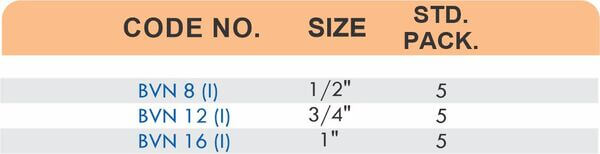
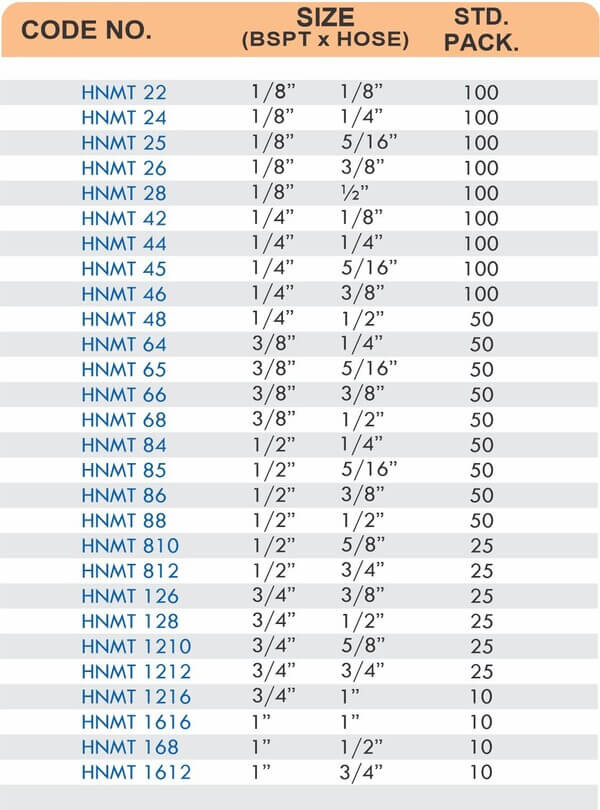
Fittings are sized by nominal pipe diameter—the approximate inside diameter of standard pipe. A 1/2-inch fitting connects to 1/2-inch nominal pipe. For reducing fittings, sizes are listed as larger × smaller (e.g., 3/4″ × 1/2″).
FAQs
Q: What’s the difference between street elbows and regular elbows?
A: Street elbows have one male threaded end and one female threaded end. Regular elbows have female threads on both ends. Street elbows save space and eliminate the need for a nipple when connecting to male-threaded pipe or fittings.
Q: Can I mix brass fittings with copper, PEX, or steel pipe?
A: Yes, brass works with copper, PEX, CPVC, and galvanized steel without significant compatibility issues. Use appropriate adapters to transition between pipe types. For PEX, compression brass fittings require internal support sleeves to prevent tube collapse.
Q: Why are some brass fittings more expensive than others of the same size?
A: Price varies based on brass composition (standard vs. lead-free), wall thickness (standard vs. heavy-duty), manufacturing precision, and pressure rating. Lead-free brass costs more due to alloy composition. Heavy-duty fittings with thicker walls and higher pressure ratings command premium pricing.
Q: Do brass fittings need thread sealant or tape?
A: Yes, threaded brass fittings require PTFE tape or pipe dope on male threads to prevent leaks. Use yellow gas-rated tape for gas applications; white tape or pipe dope works for water. Compression fittings seal through ferrule contact and don’t need thread sealant on the compression nut.
Q: How do I know which fitting type I need for my application?
A: Match fitting function to your layout requirement: elbows for directional changes, tees for branches, couplings for straight extensions, adapters for transitions, and caps/plugs for terminations. Draw your piping layout showing all direction changes, branches, and size transitions, then select fittings accordingly.
Match Fitting to Function
Brass pipe fittings deliver reliable, leak-free connections when you select the right type for each layout requirement. Understand what each fitting does—elbows redirect, tees branch, couplings extend, adapters transition—and your system design becomes straightforward.
KK International manufactures precision brass pipe fittings in all major configurations—elbows, tees, couplings, adapters, nipples, caps, plugs, bushings, and unions—engineered to international standards for pressure, temperature, and dimensional accuracy. Our complete fitting range serves residential, commercial, and industrial applications across plumbing, gas, HVAC, and hydraulic systems. Browse our full brass fitting catalog at kkinternational.co.in or contact our technical team for application guidance, thread standard verification, and system design support. Get fittings that fit right, seal tight, and perform reliably across decades of service.