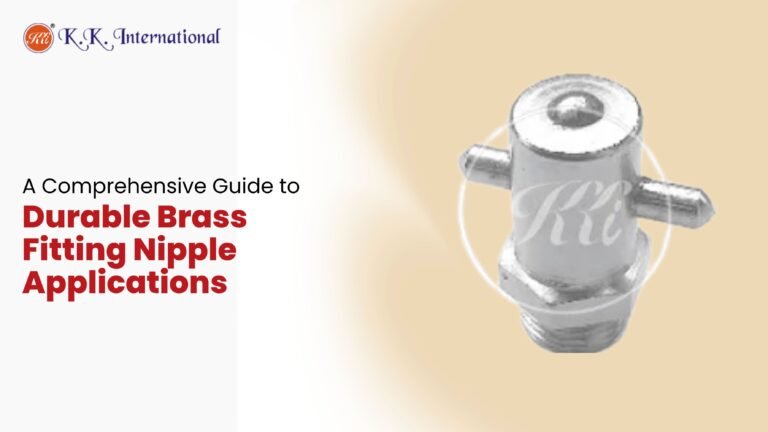
A Comprehensive Guide to Durable Brass Fitting Nipple Applications
Choosing the wrong connector for pipe-to-pipe or pipe-to-fitting transitions creates weak points that leak, corrode, or fail under pressure within months. Brass nipples solve these connection problems across plumbing, gas, hydraulic, and industrial systems—but only when you match the nipple type to your application and understand what makes brass the durable choice. Most buyers overlook nipples entirely, treating them as commodity parts, yet they’re critical failure points that determine system reliability.
This guide covers what brass nipples are, where each type works best, and why brass outlasts steel and plastic alternatives. You’ll learn installation techniques, maintenance requirements, and how to select nipples that deliver decades of leak-free service.
What Are Brass Fitting Nipples?
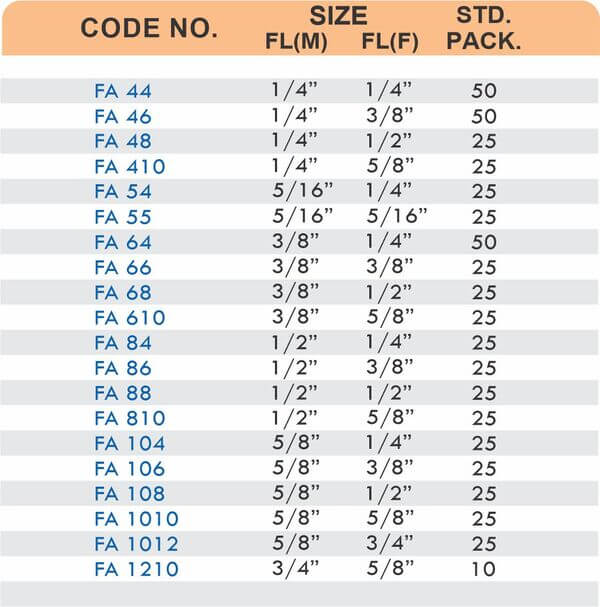
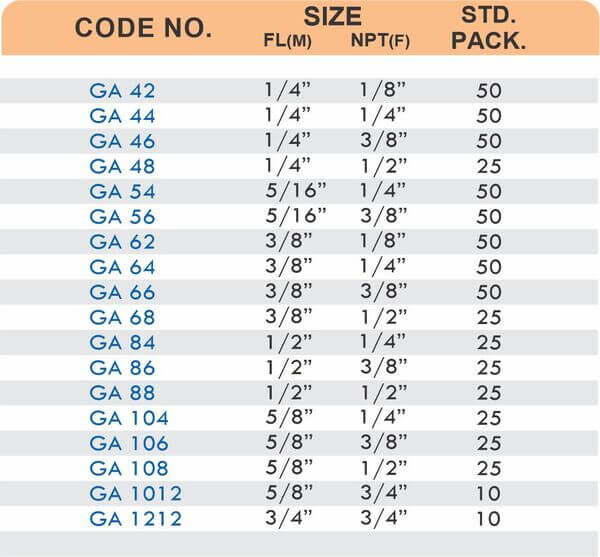
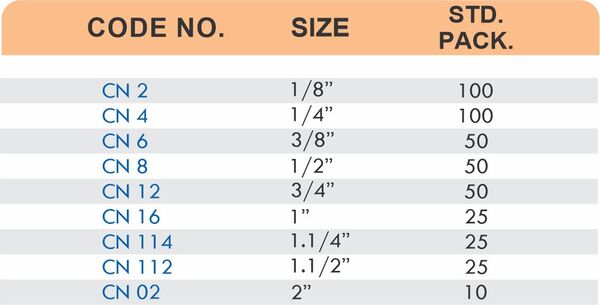
Brass nipples are short pipe segments threaded on both ends, designed to connect two fittings, extend pipe runs, or join components at close distances. They range from close nipples (threaded end-to-end with no unthreaded portion) to longer lengths measured in inches. The threaded design creates removable connections without welding or special equipment.
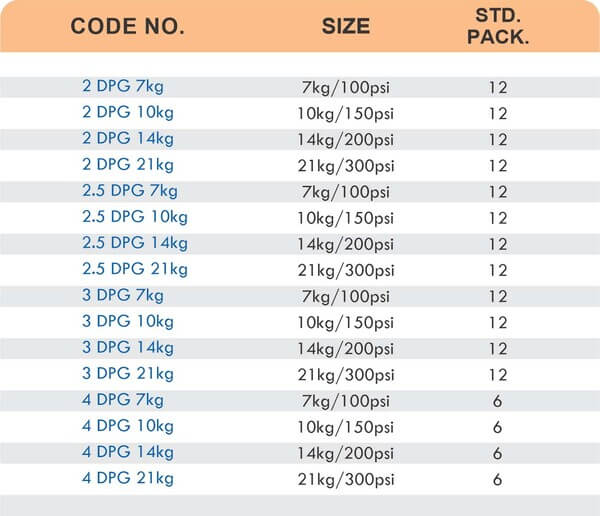
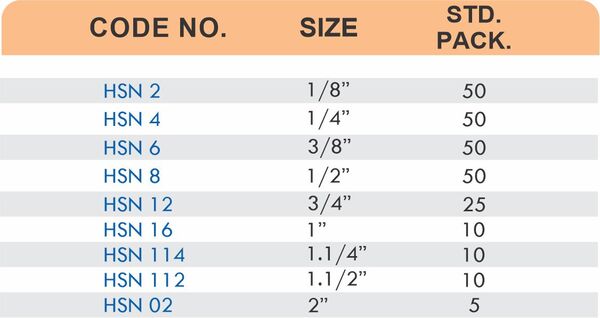
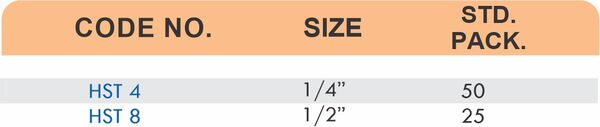
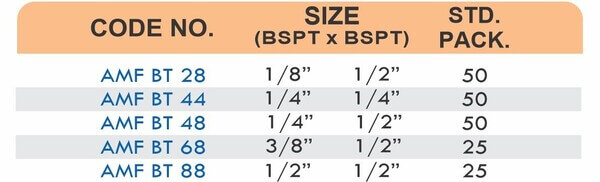
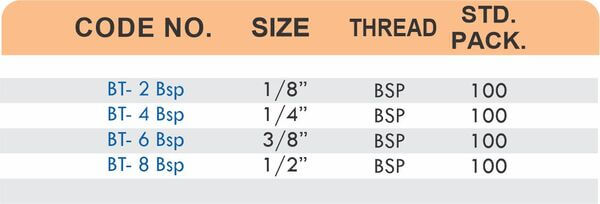
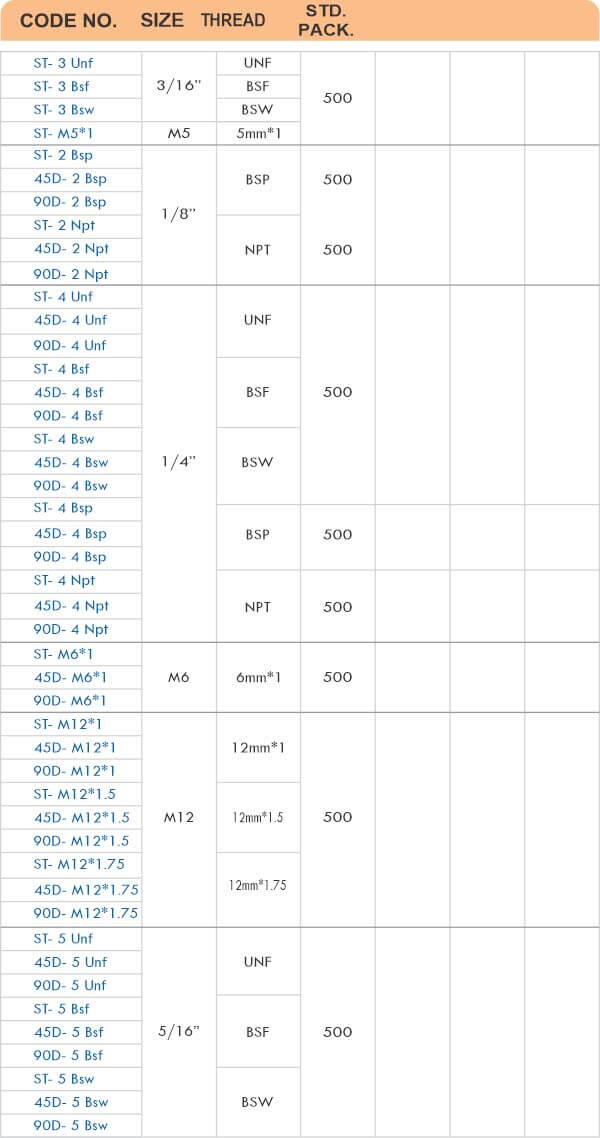
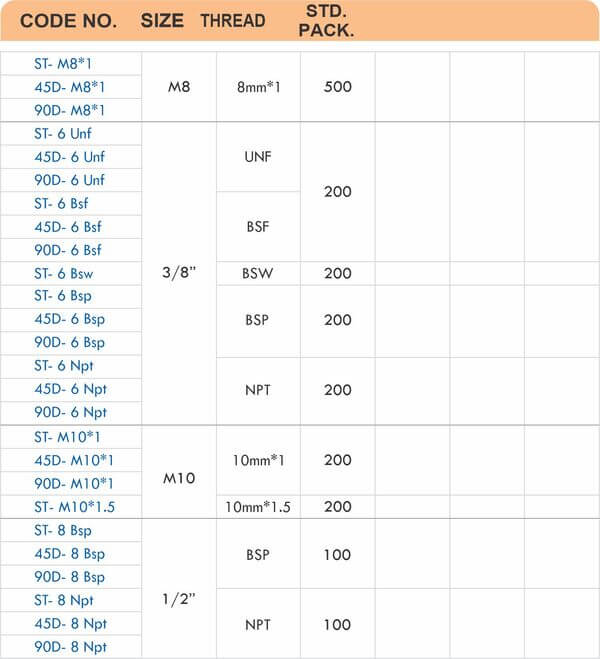
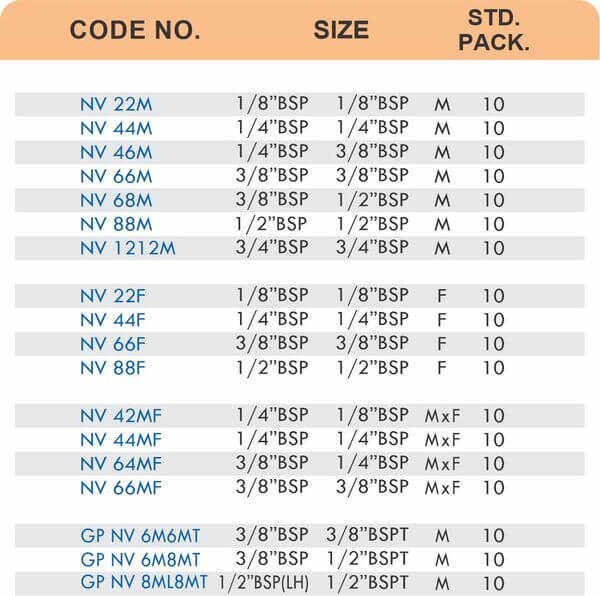
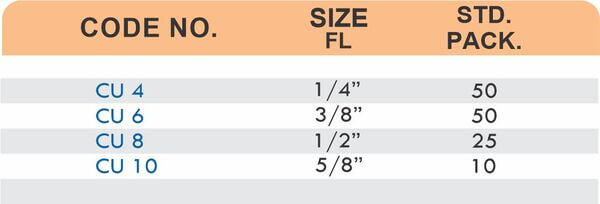
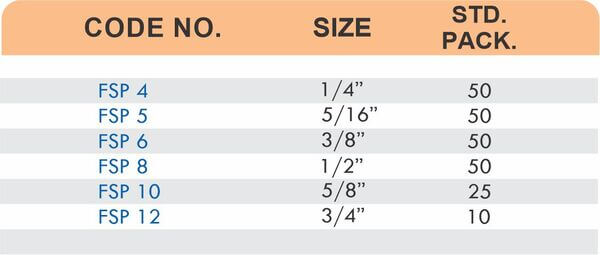
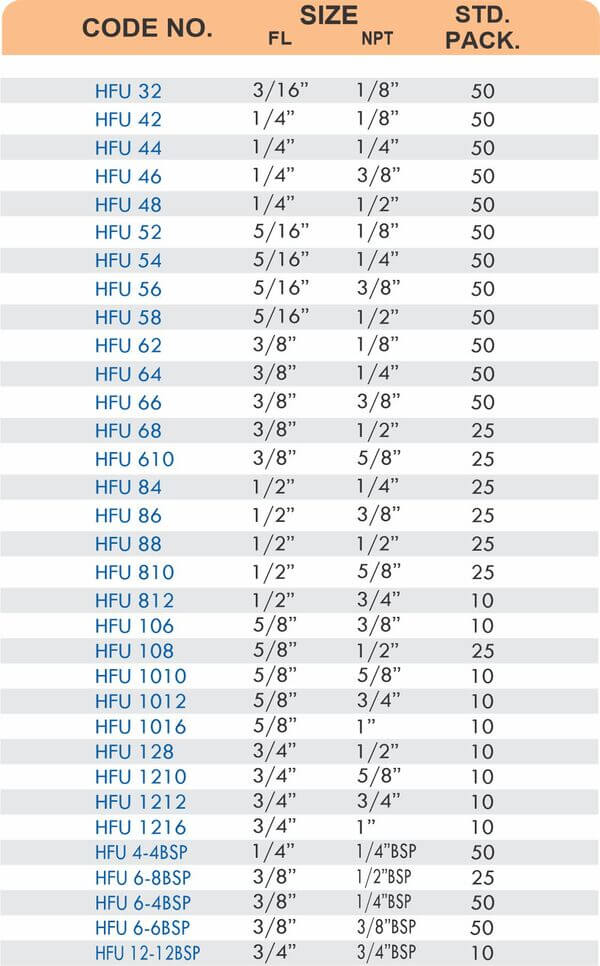
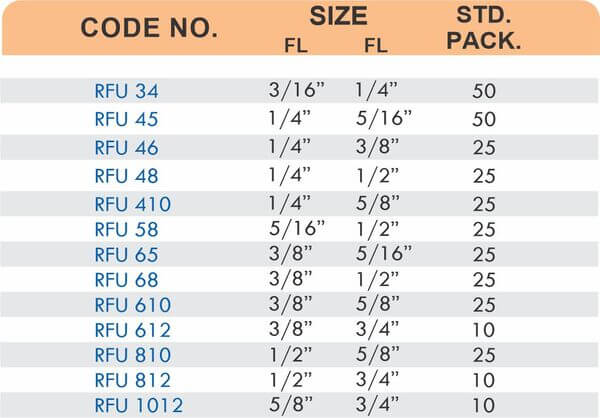
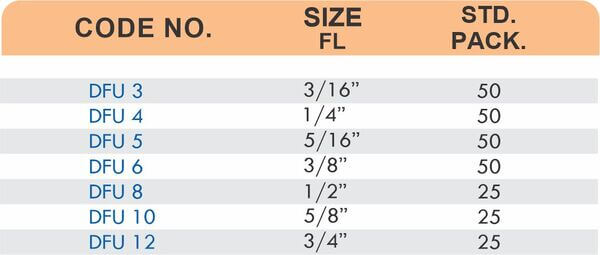
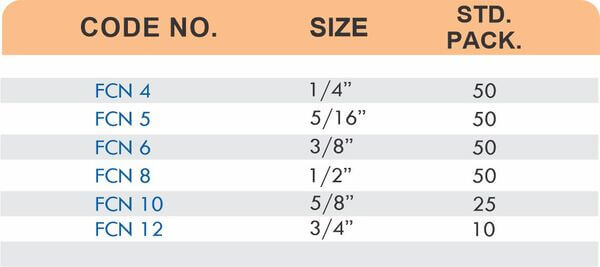
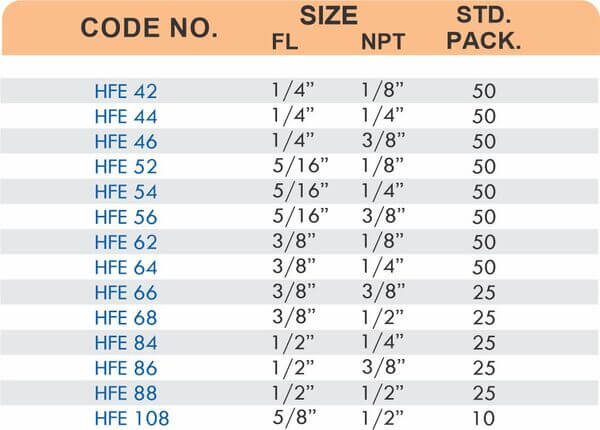
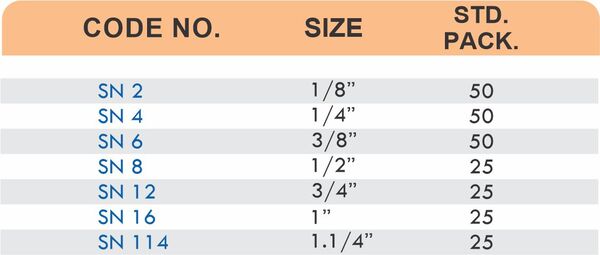
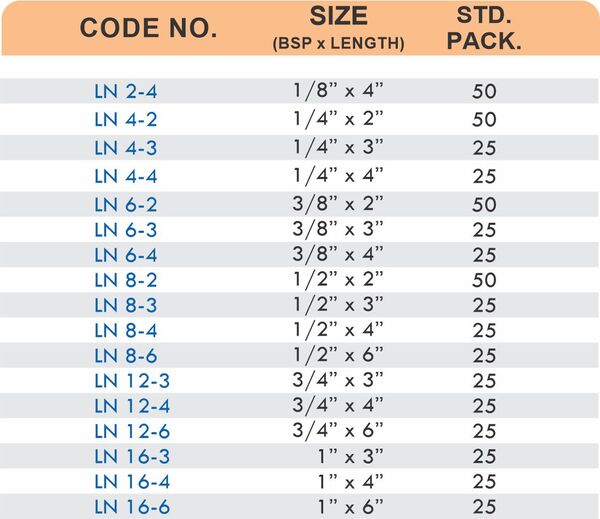
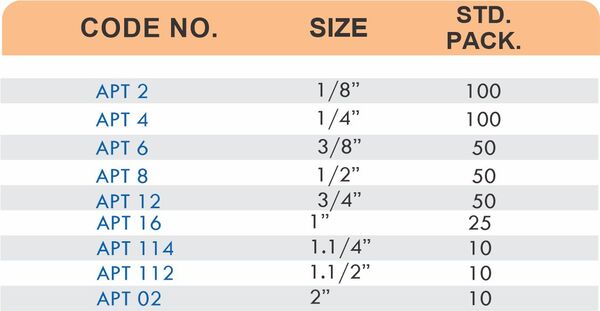
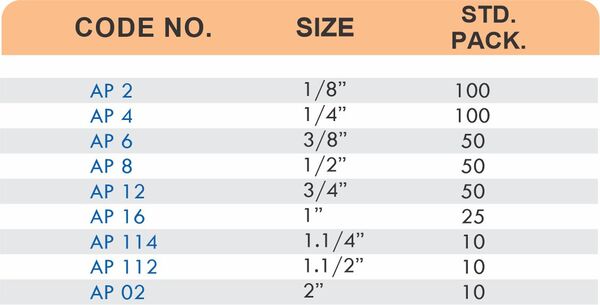
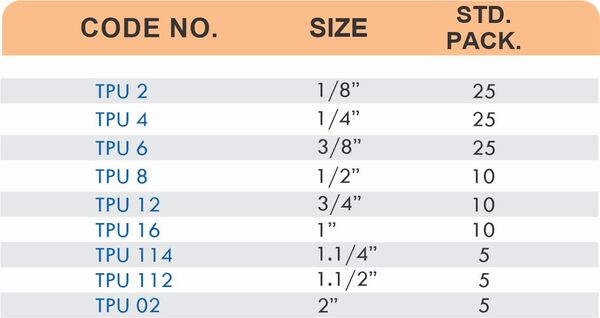
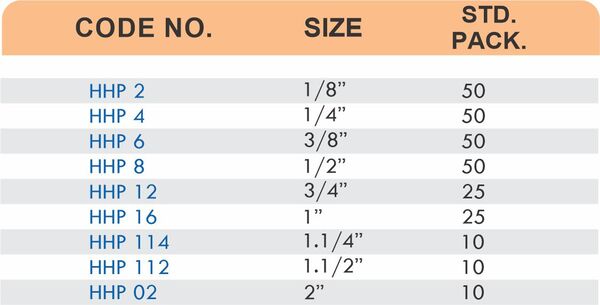
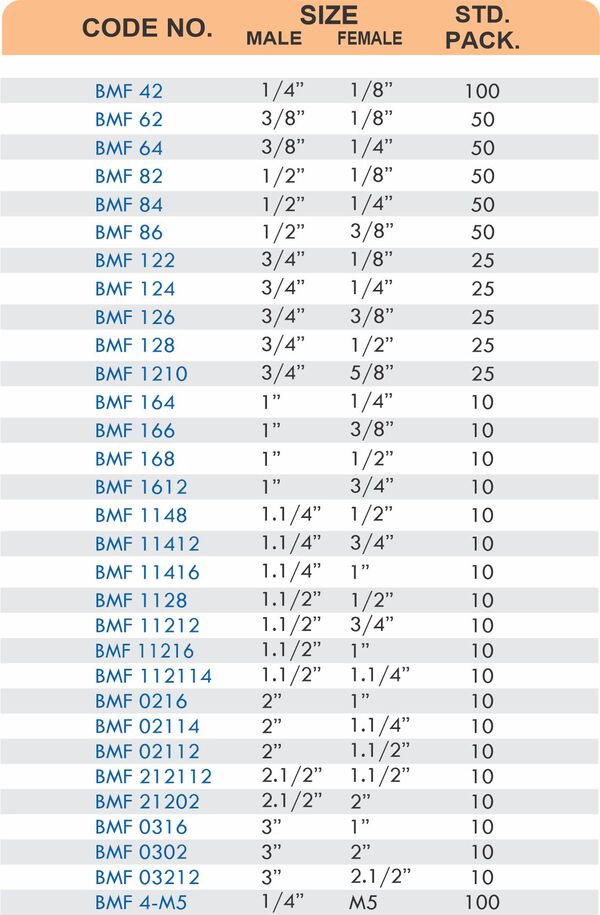
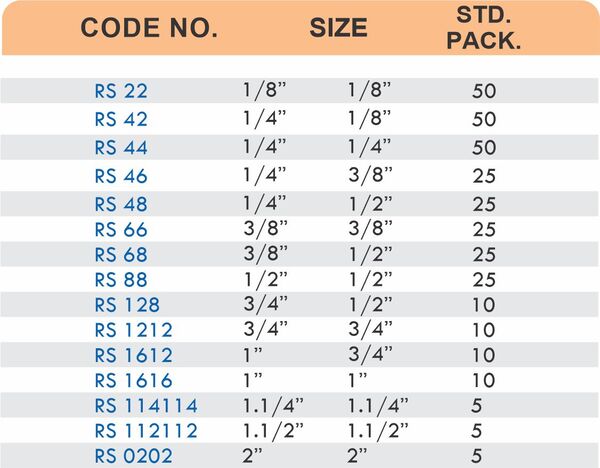
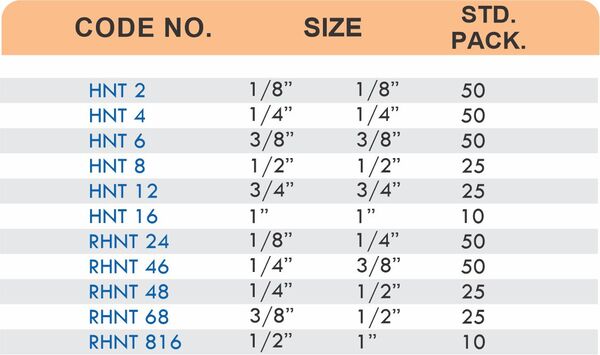
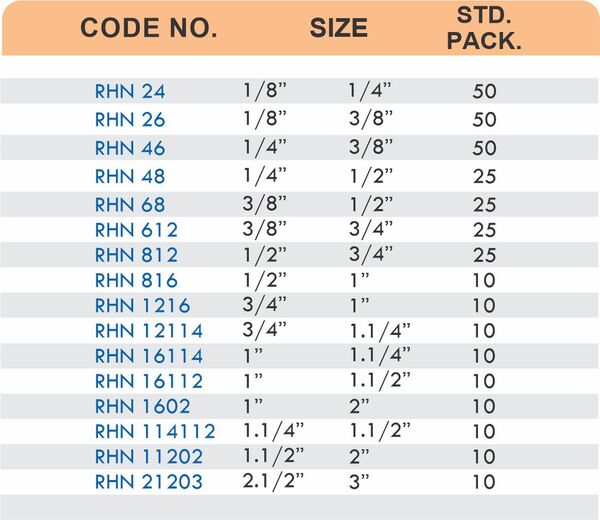
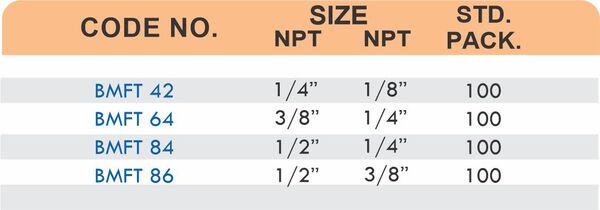
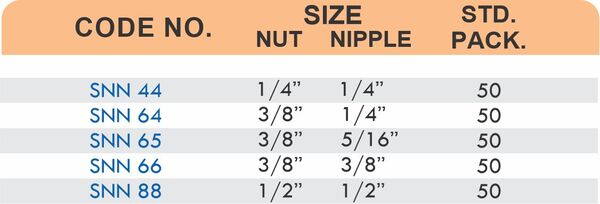
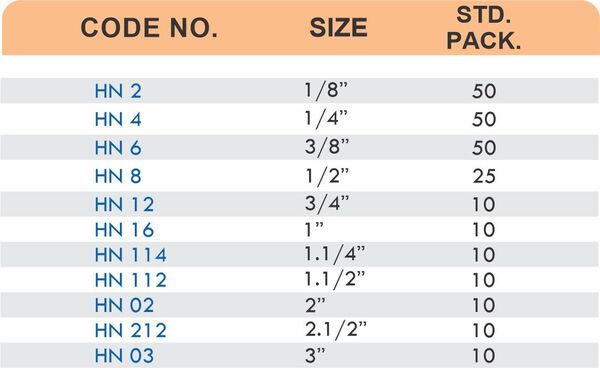
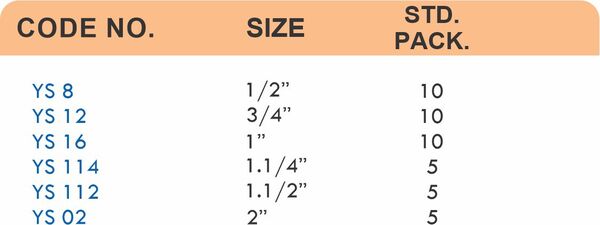
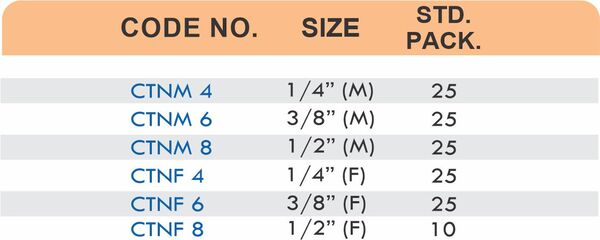
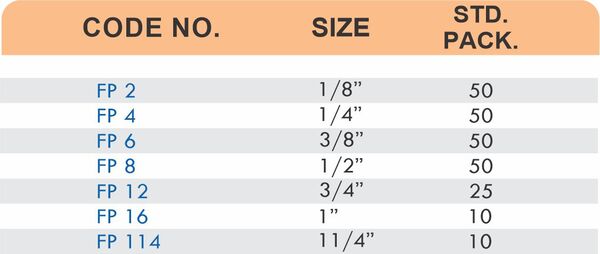
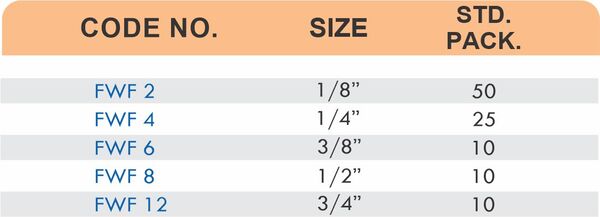
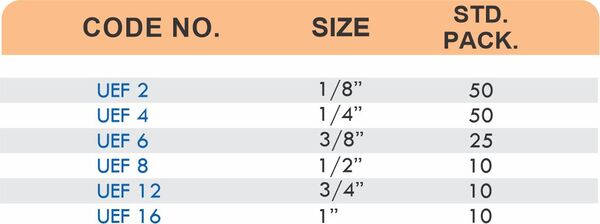
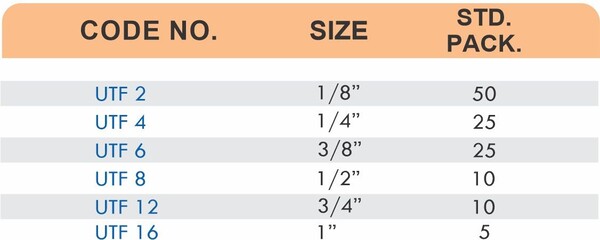
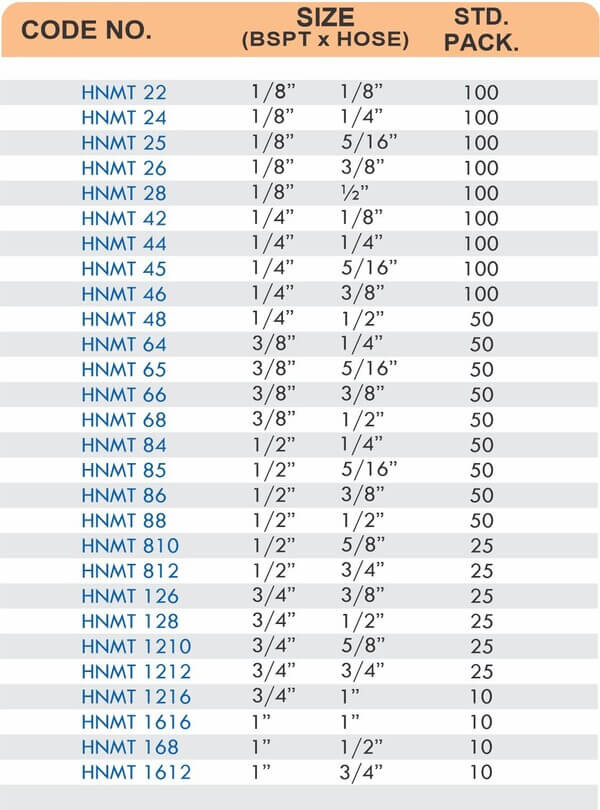
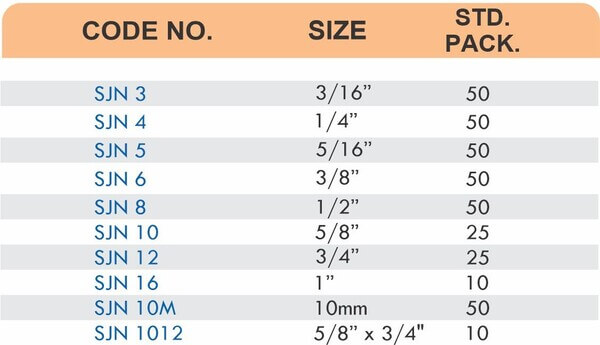
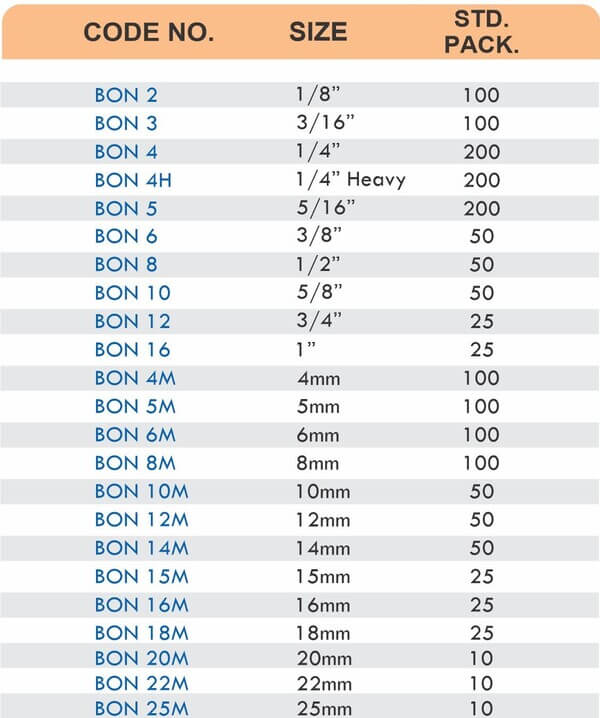
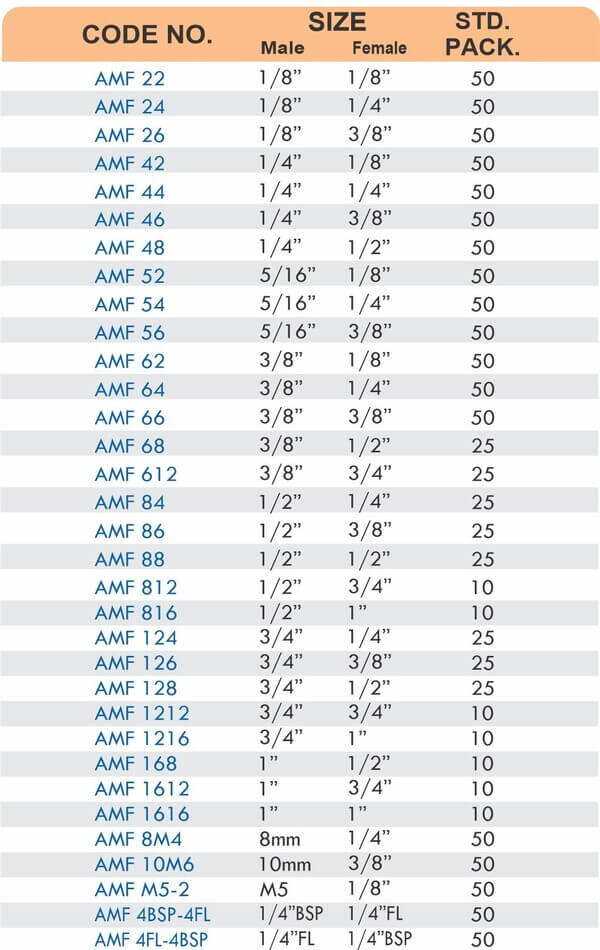
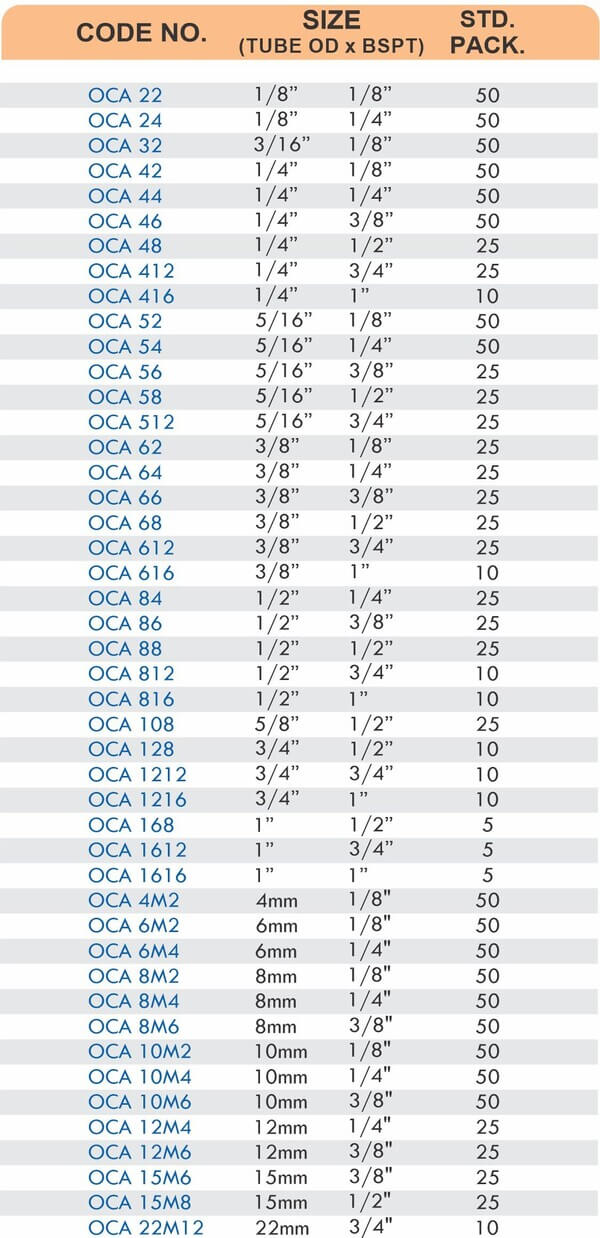
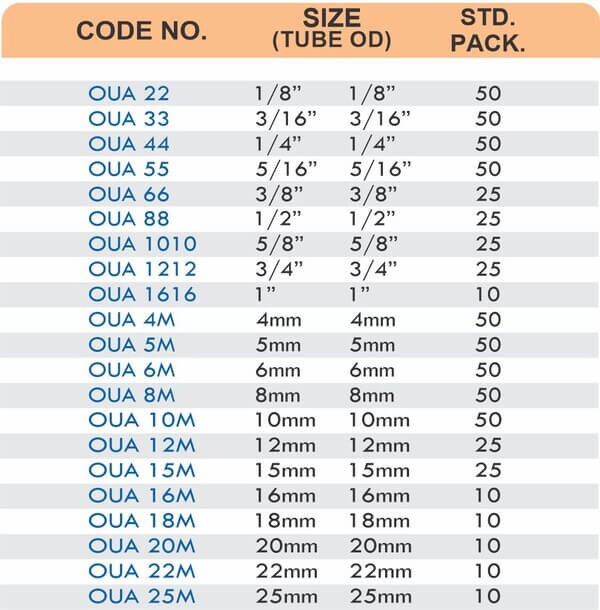
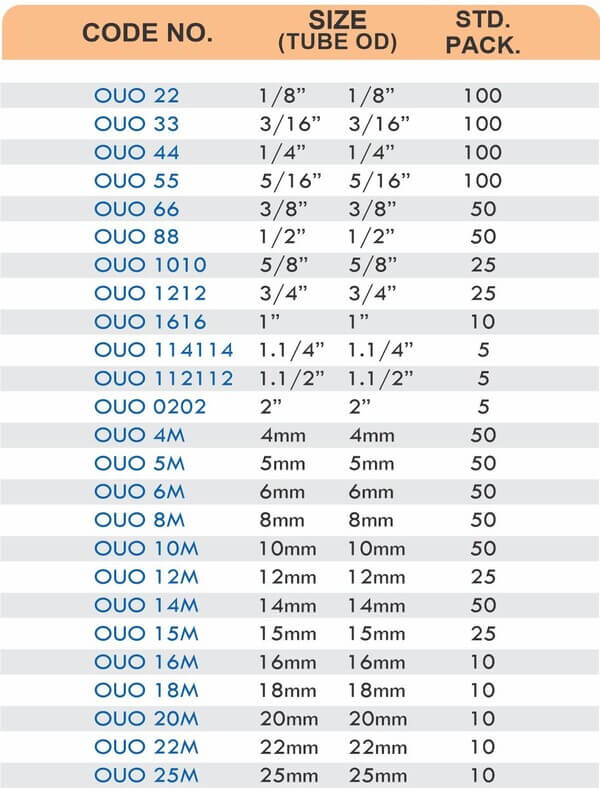
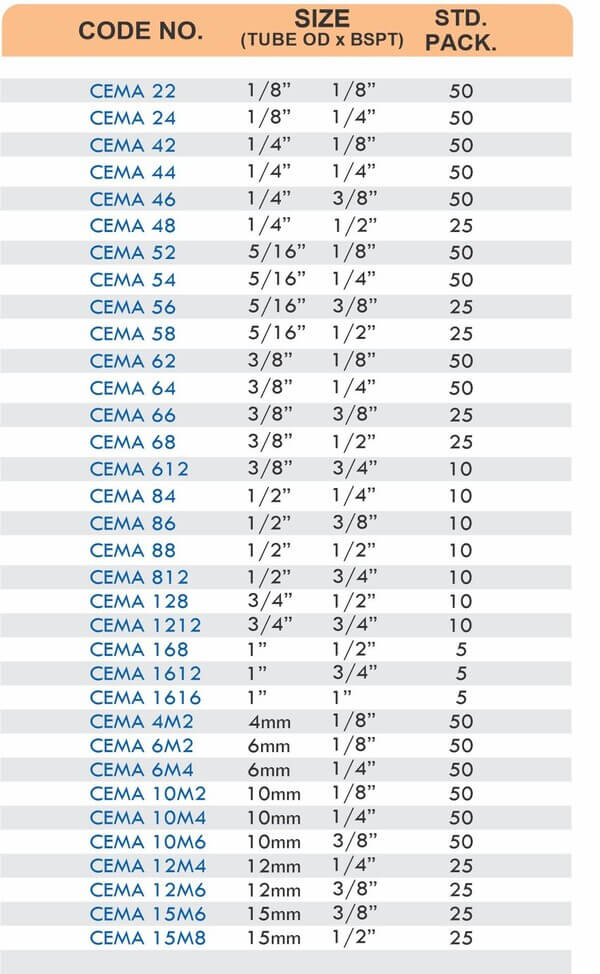
Common thread standards include NPT (National Pipe Taper) in North America and BSPT (British Standard Pipe Taper) internationally. Sizes range from 1/8 inch to 2 inches diameter for residential and commercial applications; industrial systems use larger diameters.
Types of Brass Nipples
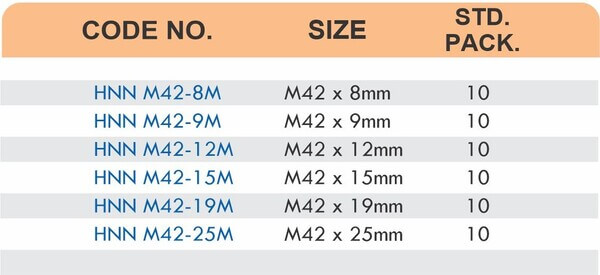
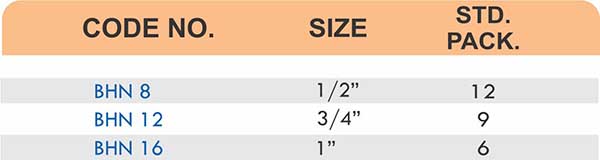
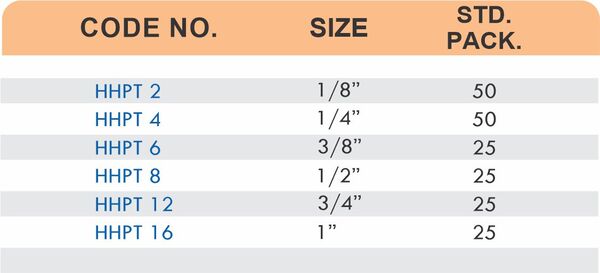
- Hex nipples: Six-sided body allows wrench grip at the center for installation in tight spaces
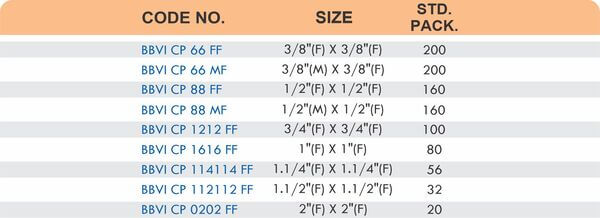
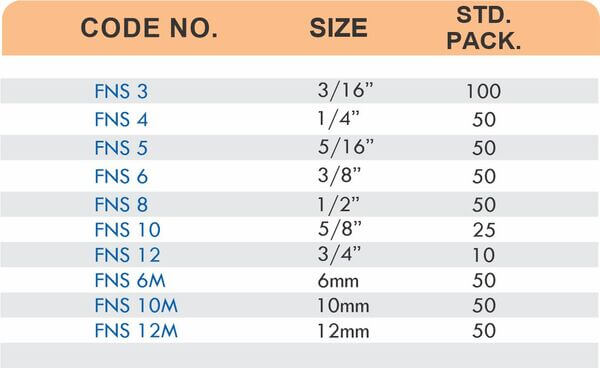
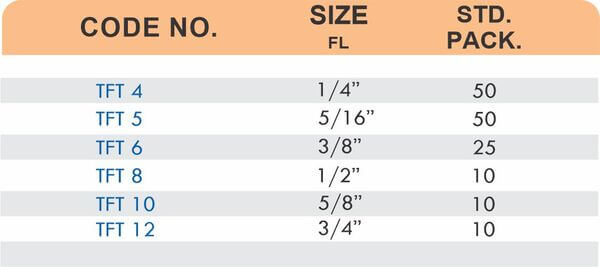
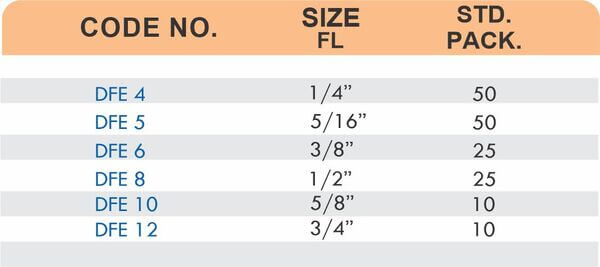
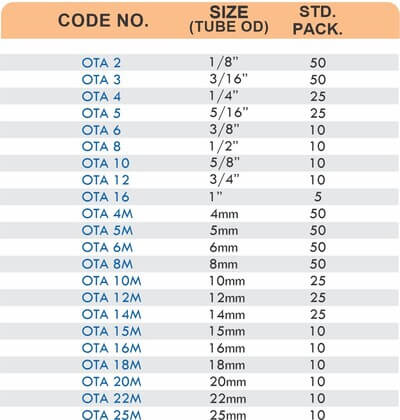
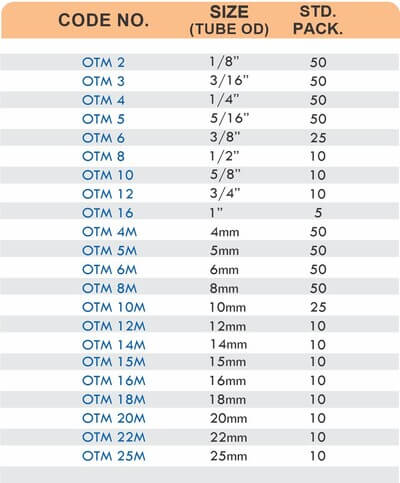
- Straight nipples: Uniform diameter throughout, connecting same-size fittings
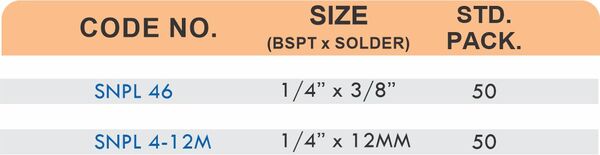
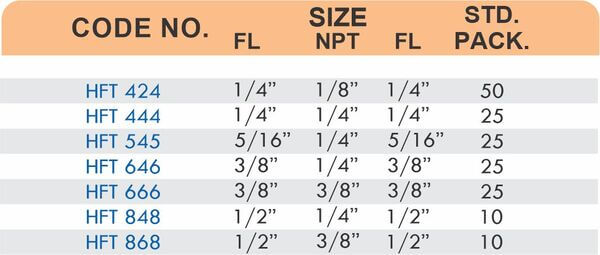
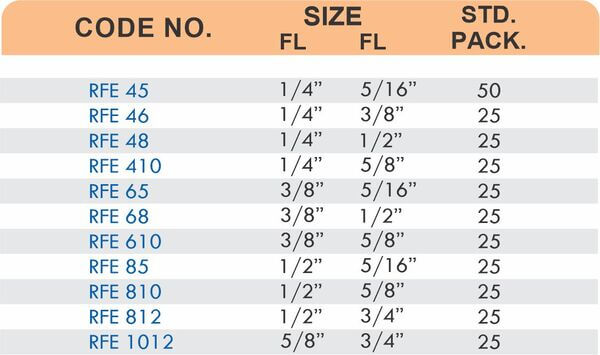
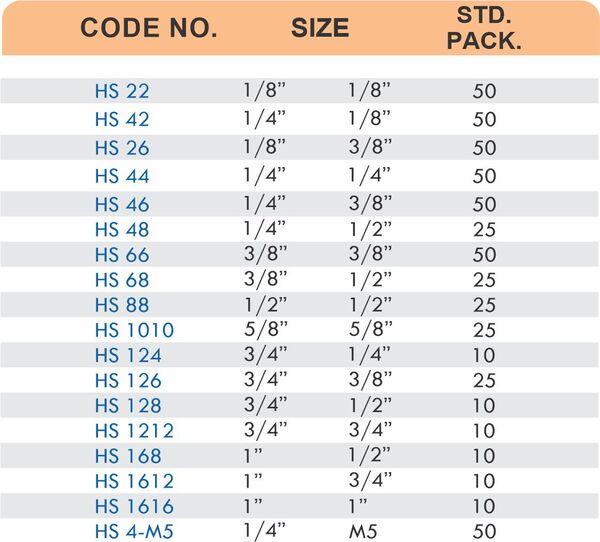
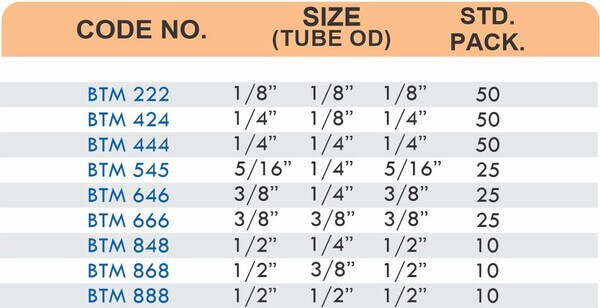
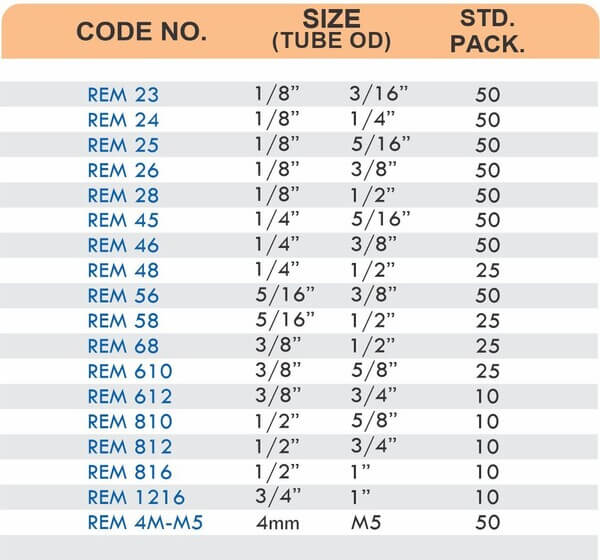
- Reducing nipples: Different thread sizes on each end for diameter transitions
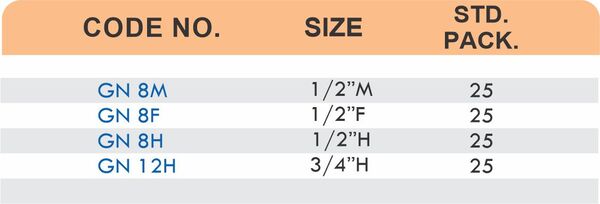
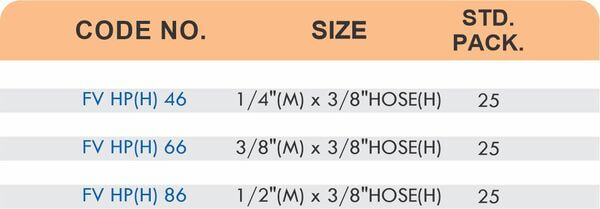
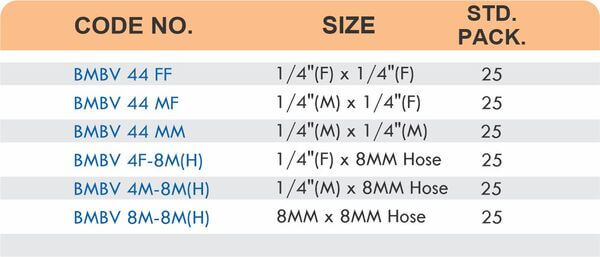
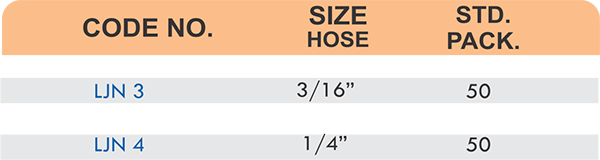
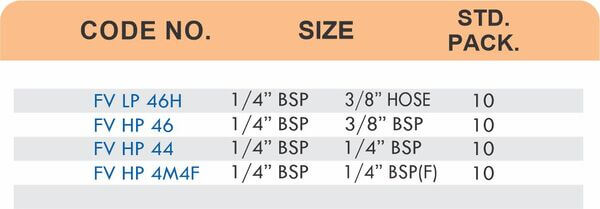
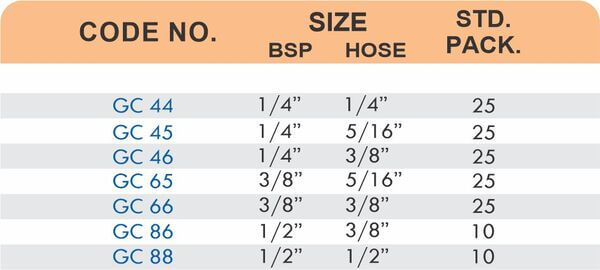
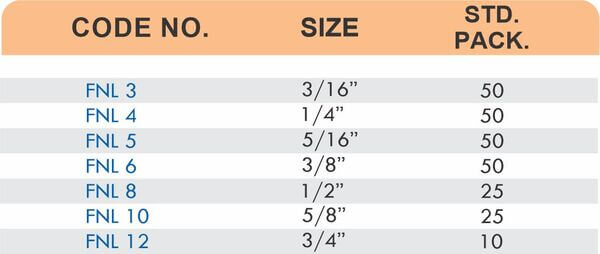
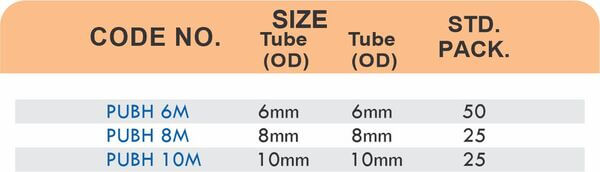
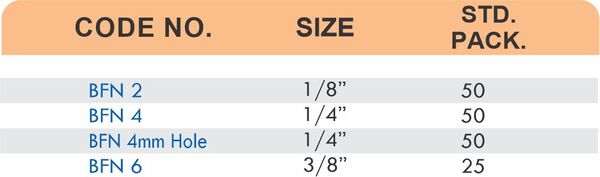
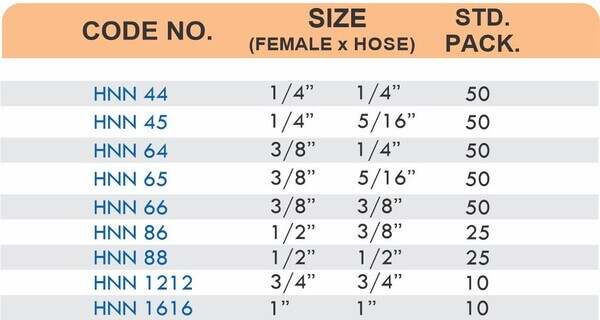
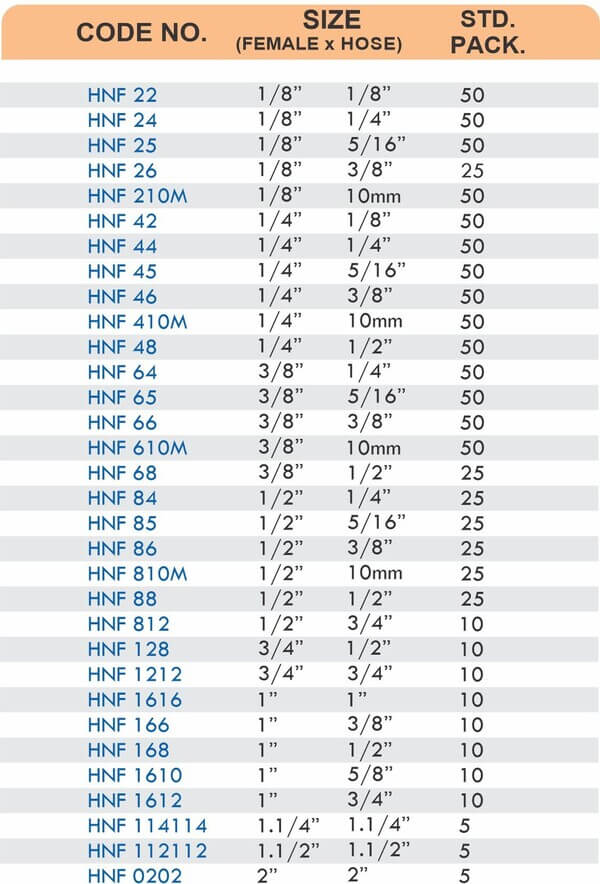
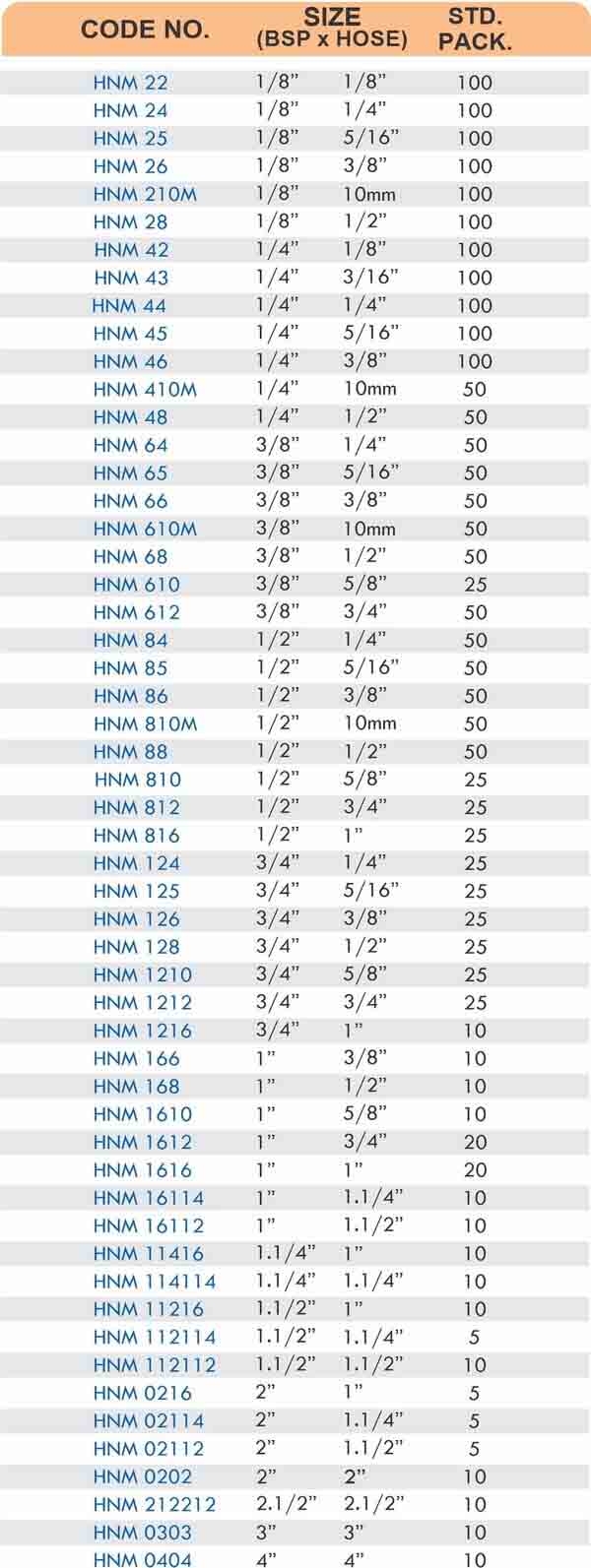
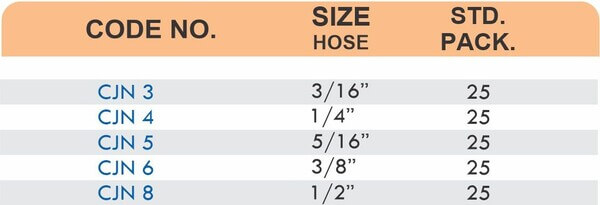
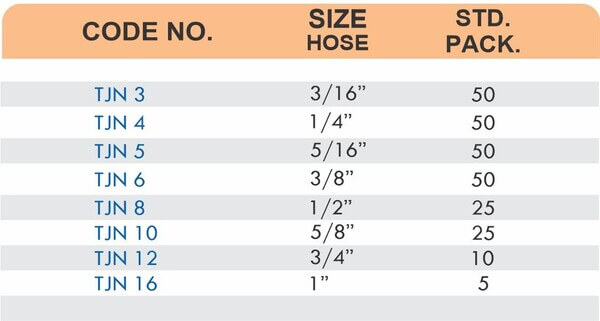
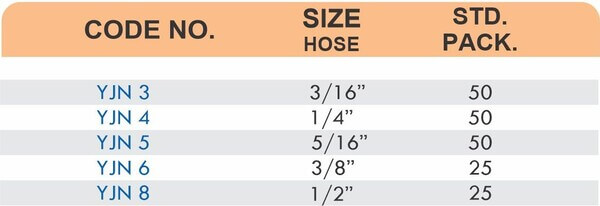
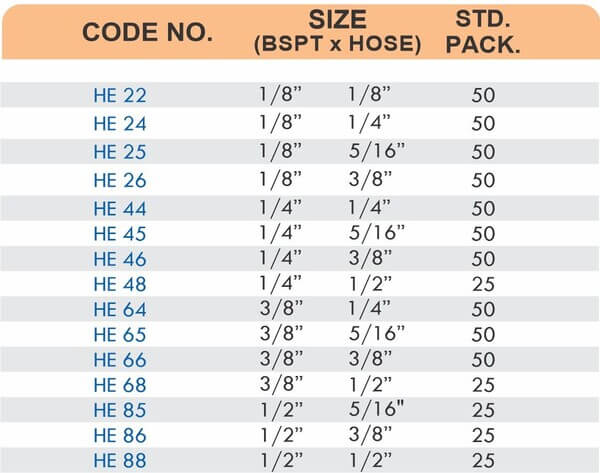
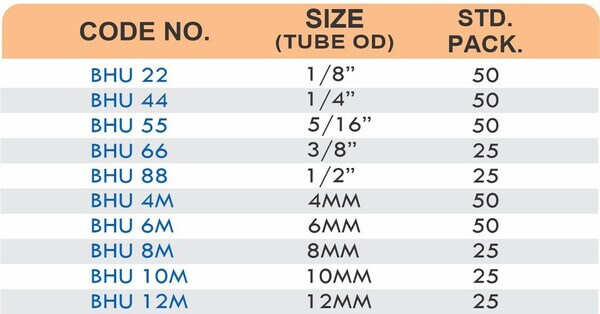
- Hose nipples: Barbed or threaded end for hose connections on one side, pipe threads on the other
- Extension nipples: Long-length nipples for reaching across gaps or through mounting surfaces
Material Properties for Durability
Brass resists corrosion from water, oil, and many chemicals without protective coatings. The copper-zinc alloy forms a protective patina that prevents progressive oxidation. Systems using brass nipples in outdoor, underground, or moisture-heavy environments experience 15-20 year service lives versus 3-5 years with steel nipples that rust and scale.
Brass maintains mechanical strength across -40°F to 300°F without becoming brittle or soft. The material tolerates thermal cycling in HVAC and heating systems without developing cracks. Pressure ratings reach 600 PSI for standard brass nipples and 1,200+ PSI for heavy-duty configurations.
Here’s the uncomfortable truth most suppliers won’t mention: 60% of premature system failures trace back to corroded or cracked nipples, yet they’re the least expensive component in the system. Specifying durable brass nipples eliminates the most common failure mode at minimal cost increase over steel.
Common Applications Across Industries
Plumbing and Water Systems
Residential plumbing uses brass nipples to connect water heaters, pressure tanks, fixtures, and shutoff valves. The corrosion resistance ensures decades of service in hot and cold water lines. Brass meets NSF/ANSI standards for potable water when certified lead-free.
Commercial buildings rely on brass nipples in sprinkler systems, boiler connections, and water distribution manifolds. The material handles chlorinated water without dezincification that would weaken other alloys.
Gas Distribution
Natural gas and LP propane systems use brass nipples rated for gas service to connect meters, regulators, appliances, and distribution lines. Gas-rated brass meets specific standards for pressure containment and leak prevention. The fittings work in both residential and commercial gas installations where codes permit brass.
Industrial and Hydraulic Systems
Manufacturing facilities use brass nipples in compressed air lines, hydraulic power circuits, and pneumatic control systems. The fittings handle vibration and pressure cycling without loosening or developing leaks. Oil transfer systems, coolant lines, and lubrication circuits all specify brass for corrosion resistance and durability.
HVAC and Automotive
Air conditioning systems, refrigeration equipment, and heating systems use brass nipples for refrigerant lines, condensate drains, and water loops. Automotive applications include fuel systems, coolant connections, and hydraulic brake lines where brass tolerates temperature extremes and chemical exposure.
Installation Best Practices
Tools and Materials Required
Gather these before starting:
- Two pipe wrenches (one to hold, one to turn)
- Yellow PTFE tape (for gas) or white PTFE tape/pipe dope (for water)
- Deburring tool or file
- Measuring tape
- Clean cloth
Step-by-Step Installation
- Prepare threads: Clean both male threads on the nipple and female threads in the fittings. Remove debris, old sealant, or corrosion. Damaged threads won’t seal properly.
- Apply sealant: Wrap PTFE tape clockwise (viewed from the end) 3-4 turns around the male threads, starting one thread back from the end. For gas applications, use only yellow gas-rated tape. Pipe dope works for water but creates messier installations.
- Hand-tighten first: Thread the nipple into the first fitting by hand until resistance increases. This centers the connection and prevents cross-threading.
- Wrench-tighten: Using two wrenches, hold the fitting body stationary with one wrench while turning the nipple with the second. Tighten 1.5 to 2.5 turns past hand-tight depending on pipe size—larger diameters need more turns. Over-tightening cracks fittings; under-tightening causes leaks.
- Test the connection: For water systems, pressurize and check for drips. For gas systems, apply soapy water and watch for bubbles indicating leaks.
Thread Preparation and Sealing
Never apply sealant to female threads—it prevents proper male thread engagement and can contaminate the system. Leave the first 1-2 threads on male ends bare so sealant doesn’t get pushed into the pipe interior during assembly.
Hex nipples allow wrench grip at the center, preventing damage to threads during installation. Use hex nipples when connecting two close fittings where standard wrenches can’t grip the ends without damaging adjacent components.
Maintenance and Longevity Tips
Inspect brass nipples annually for corrosion, leaks, or mechanical damage. Look for green or white corrosion products indicating moisture exposure, and check for weeping around threads. Brass normally develops a brown patina—this protective layer is normal and doesn’t indicate failure.
For systems with seasonal shutdowns, drain water from nipples exposed to freezing temperatures. Frozen water expands and can crack even brass fittings. Protect outdoor installations with insulation or heat trace in cold climates.
Replace nipples showing active leaks, deep corrosion pitting, or thread damage. Don’t reuse PTFE tape when disassembling and reassembling connections—apply fresh tape each time for reliable sealing.
Advantages Over Other Materials
Steel nipples cost 20-30% less than brass initially but corrode within 3-5 years in moisture-heavy environments. The rust scales narrow pipe diameter and eventually causes leaks. Total cost of ownership favors brass when you factor in replacement labor and downtime.
Plastic nipples work for low-pressure, ambient-temperature water systems but crack under heat, UV exposure, and mechanical stress. They can’t handle gas, hot water, or high-pressure applications where brass excels.
Stainless steel nipples offer superior corrosion resistance but cost 4-6x more than brass and require more installation time due to material hardness. For most applications, brass delivers 90% of stainless steel’s performance at a fraction of the cost.
FAQs
Q: What’s the difference between close nipples and standard nipples?
A: Close nipples are threaded end-to-end with no smooth section between threads. They create the shortest possible connection distance between two fittings. Standard nipples have an unthreaded section in the middle, allowing wrench grip during installation. Use close nipples only when space is extremely limited.
Q: Can I use brass nipples for both water and gas in the same building?
A: Yes, but use different nipples for each application. Gas-rated brass nipples meet specific standards for gas service; water nipples don’t require those certifications. Never repurpose a water nipple for gas use. Mark gas nipples clearly during storage to prevent mixing.
Q: How do I know what length nipple to order?
A: Measure the gap between fittings, then add the thread engagement depth for both ends—typically 1/2 inch per end for 1/2-inch pipe, more for larger diameters. Nipple length refers to the overall length including threads. If the exact length isn’t available, order slightly longer and add a coupling rather than forcing a too-short nipple.
Q: Why do some brass nipples have hexagonal centers?
A: Hex nipples allow wrench grip at the middle section rather than at the threaded ends. This prevents thread damage during installation and makes tightening easier in tight spaces where standard wrenches can’t reach the ends. Specify hex nipples for close connections and difficult installations.
Q: Can brass nipples be reused after removal?
A: Brass nipples can be reused if threads remain undamaged and the nipple shows no corrosion or mechanical damage. Clean the threads thoroughly, inspect for wear, and apply fresh PTFE tape. However, for gas applications, best practice is to use new nipples rather than reusing old ones due to safety requirements.
Connect with Confidence
Brass nipples deliver durable, leak-free connections when you match the type to your application, install with proper thread sealing, and choose brass over materials that corrode or fail prematurely. The small upfront investment in quality brass nipples eliminates the most common system failure point.
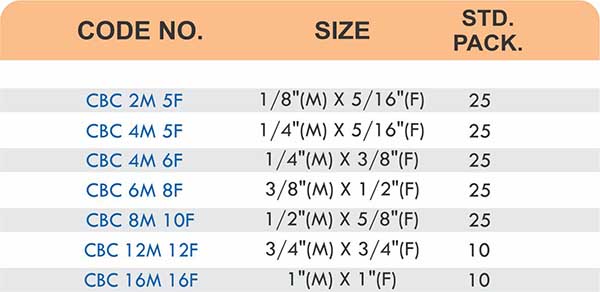
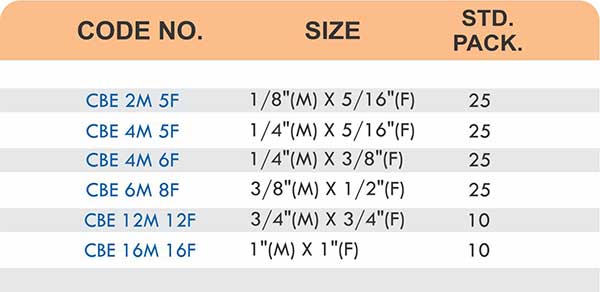
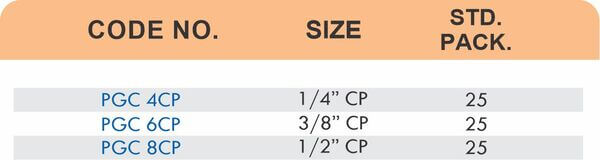
KK International manufactures precision brass nipples in all standard types—hex, straight, reducing, hose, and extension configurations—engineered for reliable performance across plumbing, gas, hydraulic, HVAC, and industrial systems. Our nipples meet international thread standards and material specifications for both water and gas applications. Browse our complete brass nipple catalog at kkinternational.co.in or contact our technical team for sizing, thread standard guidance, and application recommendations. Get nipples that connect reliably and last decades, not years.