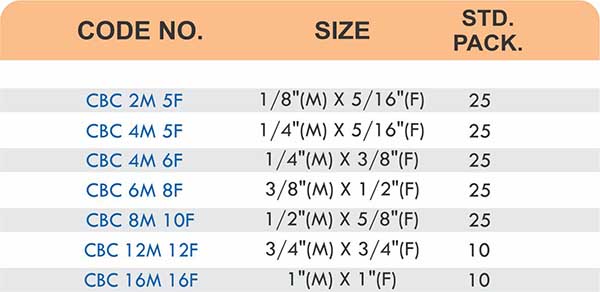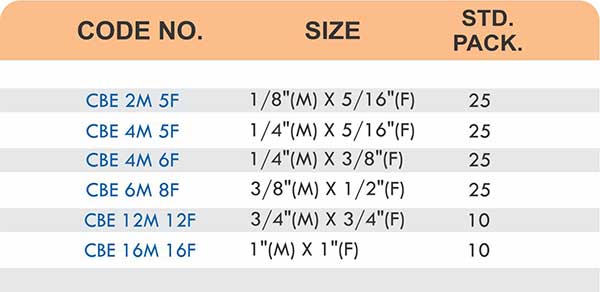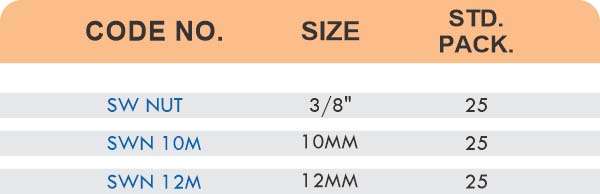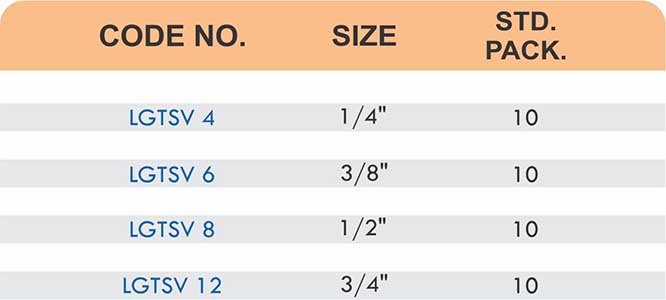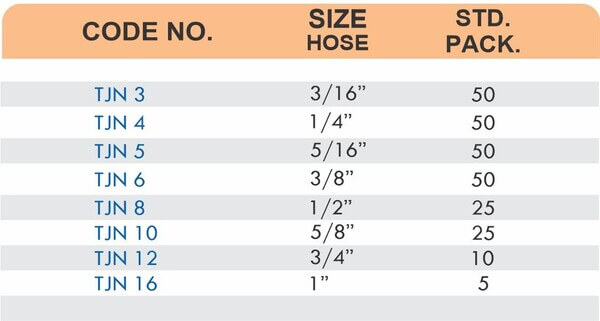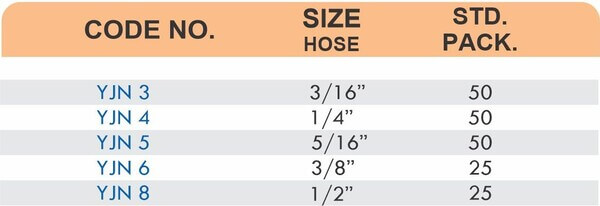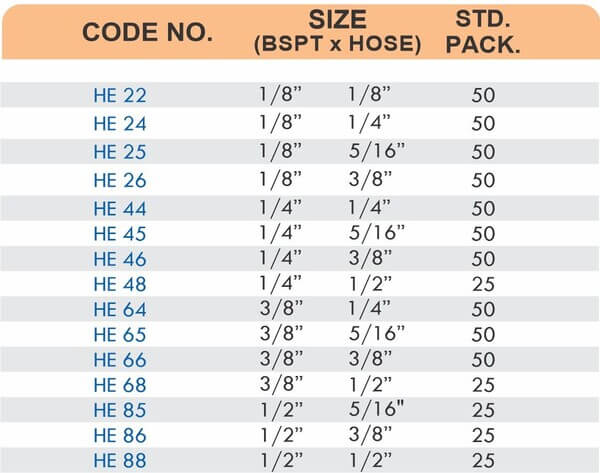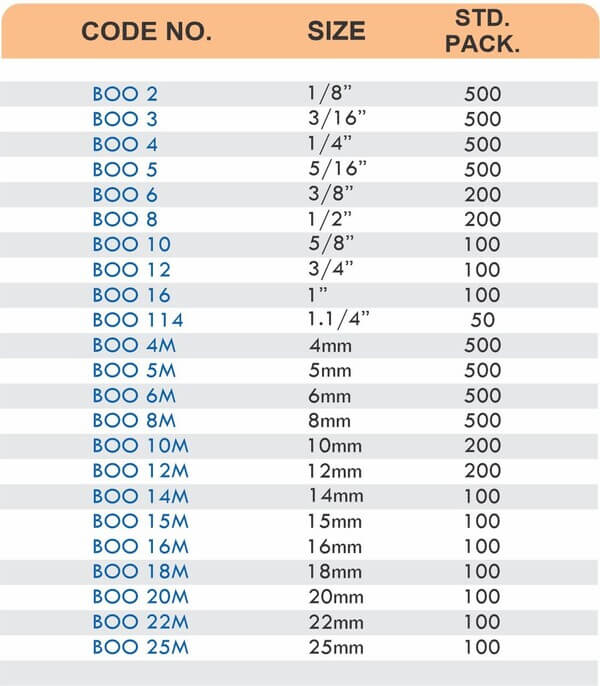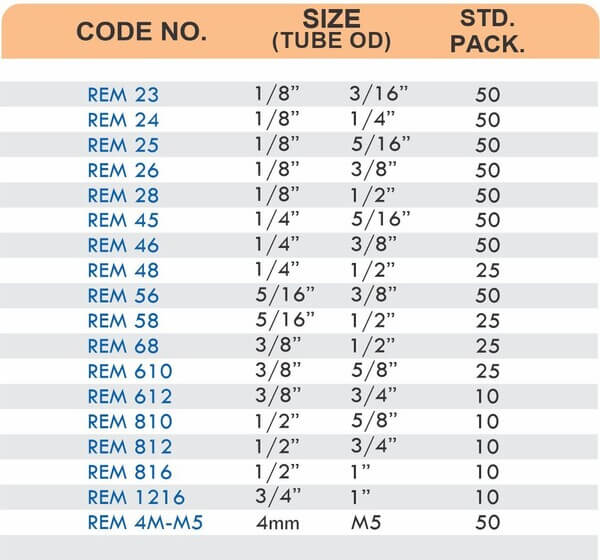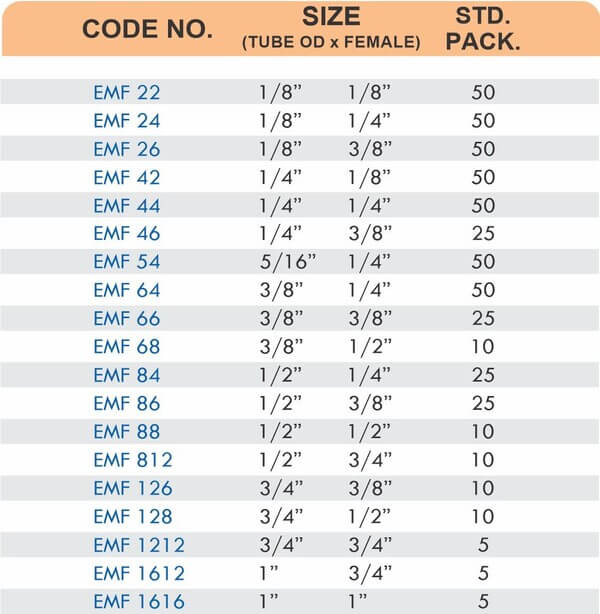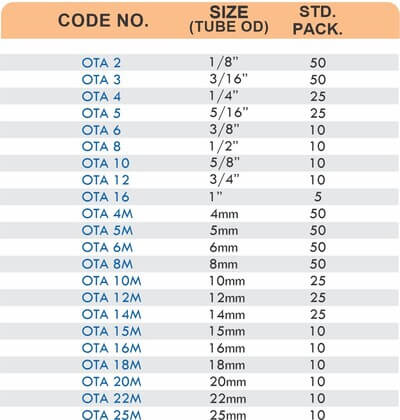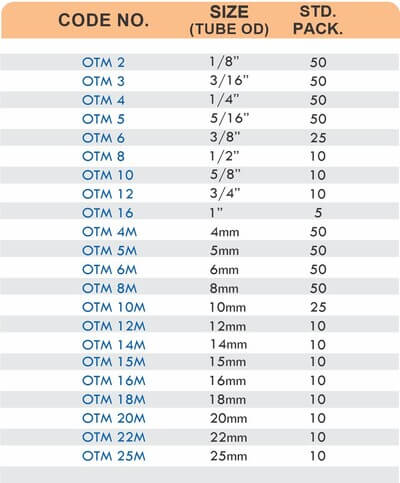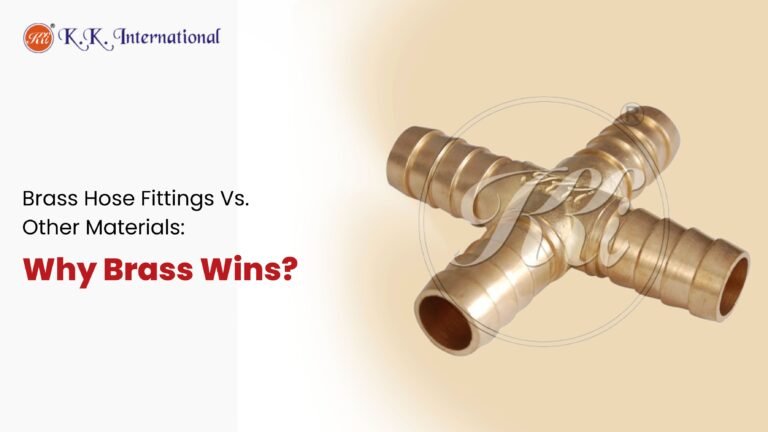
Brass Hose Fittings Vs. Other Materials: Why Brass Wins?
Choosing the wrong hose fitting material costs you replacements, downtime, and safety risks that compound over years of operation. Plastic fittings crack under heat. Steel corrodes and leaks. Aluminum oxidizes and weakens under pressure cycling. Brass eliminates all three problems, delivering fittings that work reliably across temperature extremes, chemical exposure, and high-pressure applications. This guide compares brass directly against plastic, steel, and aluminum—showing where each material fails and why brass outperforms alternatives in strength, corrosion resistance, and total cost of ownership. You’ll understand material trade-offs and see why professionals specify brass across plumbing, industrial, and automotive systems.
Common Hose Fitting Materials Overview
Brass is a copper-zinc alloy that combines the ductility of copper with the strength of zinc. The alloy resists oxidation, maintains its mechanical properties across wide temperature ranges, and works with most common fluids—water, oil, refrigerant, and compressed air. Brass fittings cost more than plastic but far less than stainless steel.
Plastic (typically polypropylene or nylon) offers light weight and low cost. It works well for indoor, ambient-temperature applications with low to moderate pressure. Beyond those limits, plastic cracks, becomes brittle, or loses shape under thermal cycling.
Steel provides brute strength and handles extreme pressures without yielding. Carbon steel, however, rusts aggressively in moisture-heavy environments. Stainless steel resists corrosion but costs 3-5x more than brass and becomes difficult to machine, raising fabrication expenses.
Aluminum weighs less than brass and resists corrosion better than carbon steel. It suffers galvanic corrosion when connected to dissimilar metals and becomes brittle at temperature extremes.
Strength and Durability Comparison
Mechanical Strength Under Pressure
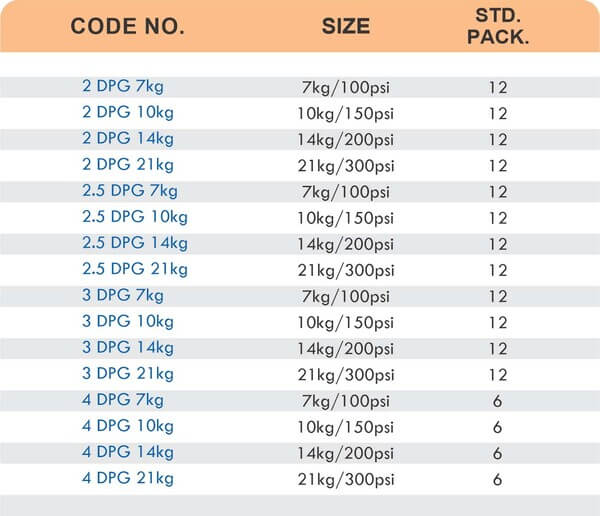
Brass handles 300+ PSI in standard hose fittings and 600+ PSI in tube fitting configurations without rupture or permanent deformation. The material deforms slightly under load, then returns to original dimensions once pressure releases—this elastic behavior prevents connection failure.
Plastic fittings fail at 150 PSI and deform permanently beyond that threshold. Aluminum fittings tolerate 200-300 PSI but can split unexpectedly if pressure spikes occur.
Resistance to Fatigue and Wear
Brass fittings withstand thousands of pressure cycles without work-hardening or developing internal micro-cracks. Systems with pulsing flow, vibration, or frequent on-off cycling remain sealed for decades with brass. Plastic and aluminum degrade with repeated pressure cycling, developing tiny cracks that eventually leak.
The elasticity of brass also absorbs shock loads that would shatter stainless or crack plastic fittings. Rapid valve closure or unexpected surge pressure doesn’t rupture brass connections.
Temperature Performance
Brass maintains consistent mechanical strength from -40°F to 300°F without becoming brittle or soft. Plastic becomes brittle below 32°F and soft above 180°F, losing grip strength and risking connection failure. Aluminum becomes brittle at extreme cold but handles heat better than plastic.
This temperature range matters for outdoor installations exposed to seasonal extremes and industrial equipment that generates heat during operation.
Corrosion Resistance and Environmental Adaptability
Brass resists corrosion in water, soil, salt spray, and many industrial chemicals because zinc in the alloy forms a protective patina on the surface. Buried irrigation lines, exposed outdoor hose connections, and coastal marine applications show minimal degradation after 20+ years with brass.
Steel corrodes visibly within months of outdoor exposure, forming rust that flakes off and blocks water flow or clogs equipment. Carbon steel requires painting or coating to extend life beyond 3-5 years. Stainless steel resists corrosion but doesn’t match brass’s cost advantage.
Plastic doesn’t rust but degrades under UV exposure and ozone, becoming discolored and brittle within 5-7 years outdoors. Aluminum oxidizes and develops white corrosion products that interfere with connections. Galvanic corrosion accelerates when aluminum contacts copper or steel in wet environments.
Installation and Maintenance
Ease of Fabrication and Customization
Brass machines cleanly and fabricates into complex geometries—barbed fittings, compression seats, and threading all work easily. Custom fittings can be manufactured affordably in small quantities. Aluminum machines well too, but stainless steel demands specialized cutting tools and slower feed rates, raising labor costs.
Tool Requirements and Assembly Speed
Brass hose fittings installed with standard wrenches or simple hand tools. A barbed fitting is installed by sliding the hose over the barb in 60 seconds. Compression fittings tighten with two wrenches in 2-3 minutes. Plastic push-to-connect fittings are faster but fail rapidly with reconnections.
Maintenance and Reusability
Brass fittings can be disassembled and reassembled 15+ times before ferrule wear becomes significant. A barbed fitting removed from a hose and reinstalled works as well as the first time. Plastic push-to-connect fittings degrade with each disconnection and eventually leak.
Inspection is straightforward—you can visually spot corrosion or damage on brass and plan maintenance accordingly. Steel fittings hide internal rust beneath the surface until failure occurs suddenly.
Cost and Lifecycle Value
Brass fittings cost 30-50% more than plastic upfront but deliver 3-5x longer service life. A plastic hose system lasting 5 years requires replacement; a brass system lasts 15-20 years, cutting replacement frequency to one-third.
When you factor in labor costs—disconnecting old lines, installing new ones, troubleshooting leaks—brass saves money on total cost of ownership. Replacing a failed plastic fitting mid-project costs time and frustration that dwarfs the material cost difference.
Steel fittings cost less than brass initially but require protective coatings and rust maintenance. Over 10 years, brass proves cheaper because you avoid replacement cycles.
Safety and Compliance Factors
Regulatory Standards
Brass meets NSF/ANSI standards for potable water use—critical for residential and commercial plumbing where health codes apply. Plastic fittings also comply but degrade faster. Steel and aluminum fittings aren’t approved for potable water in most jurisdictions.
Non-Magnetic and Conductivity Benefits
Brass doesn’t interfere with magnetic field sensors used in industrial monitoring. It also conducts electricity consistently, making it suitable for systems requiring electrical grounding. Plastic is non-conductive, requiring additional grounding conductors; aluminum can develop oxidation that blocks electrical flow.
Case Studies and Industry Usage
Residential plumbing exclusively specifies brass for water supply connections because code compliance and durability requirements eliminate plastic and steel alternatives. Irrigation systems in agricultural settings use brass buried underground for 20+ years without replacement.
Automotive cooling systems, hydraulic power steering, and transmission fluid lines increasingly use brass fittings in premium vehicles because reliability and corrosion resistance matter more than initial cost. Industrial hydraulic systems use brass in high-vibration machinery where connection security prevents accidents.
FAQs
Can I mix brass fittings with plastic hose?
Yes, brass fittings work with plastic hose without chemical incompatibility. However, plastic hose deteriorates faster than brass fittings, so your connection outlives the hose. Plan hose replacement every 5-7 years; fittings last 15+ years.
Why is stainless steel more expensive than brass if both resist corrosion?
Stainless steel costs more to machine and requires specialized tools and slower production. Brass machines quickly with standard tools. For corrosion-resistant applications, brass delivers 80% of stainless performance at 40% of the price.
Will aluminum hose fittings corrode if I bury them underground?
Aluminum will oxidize and develop galvanic corrosion if connected to copper or steel fittings underground. Brass stays stable in buried applications without galvanic interaction with most common metals.
How much does brass cost compared to plastic fittings?
Brass costs 30-50% more per fitting than plastic. However, when you calculate replacement costs over 15 years—replacing plastic fittings 3 times versus brass once—brass becomes the cheaper option.
Can plastic hose fittings handle my garden hose pressure?
Standard garden hose pressure is 40-60 PSI. Plastic fittings handle this, but they deteriorate quickly outdoors under sun exposure. Brass fittings perform identically on pressure but last 3-4x longer in outdoor conditions.
Choose the Material that Stays
Brass hose fittings deliver reliability because they resist corrosion, tolerate temperature extremes, and reuse multiple times without degradation. The material choice determines whether you service your system occasionally or replace it every few years.
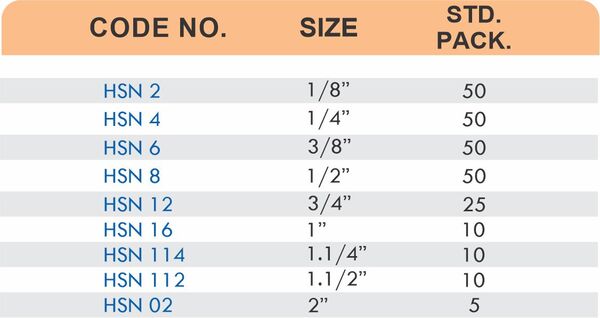
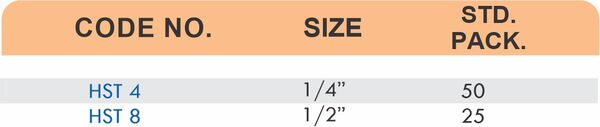
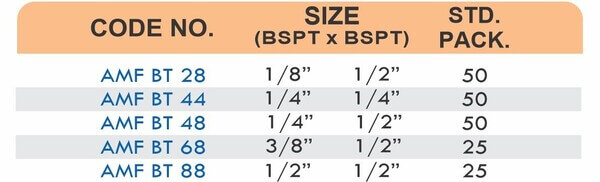
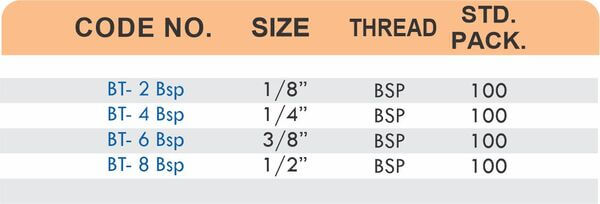
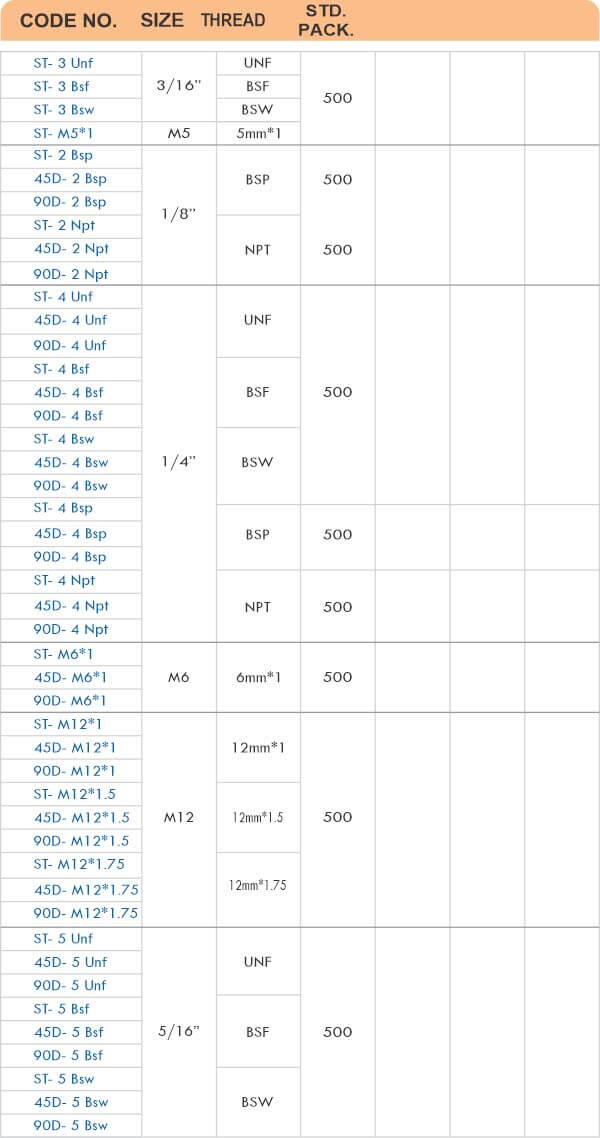
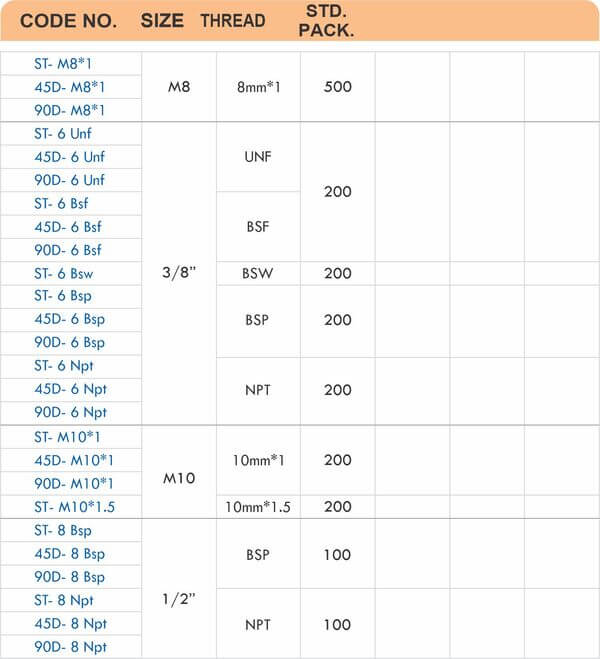
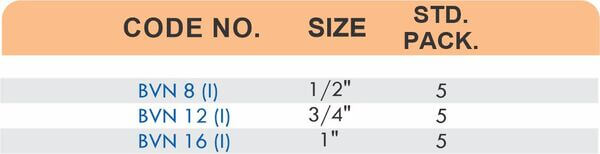
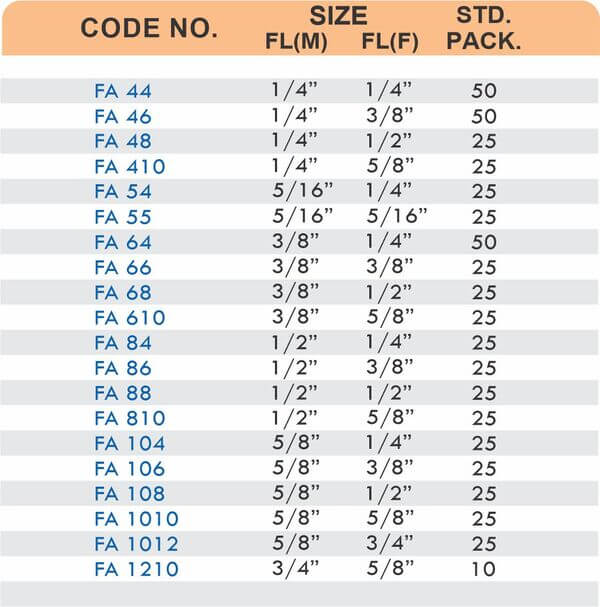
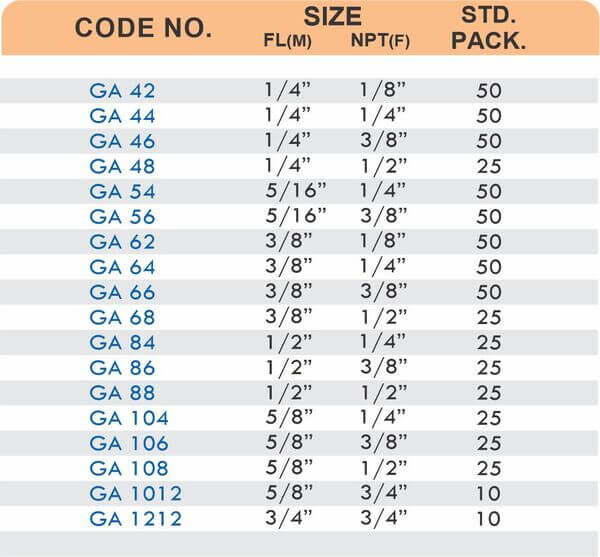
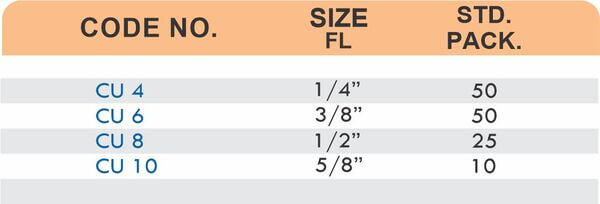
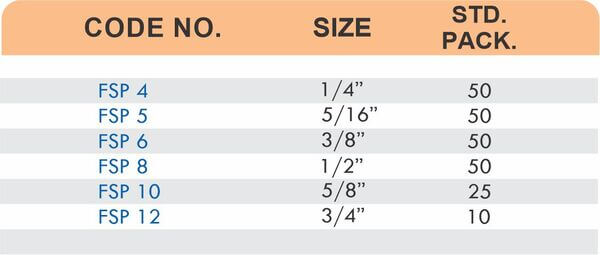
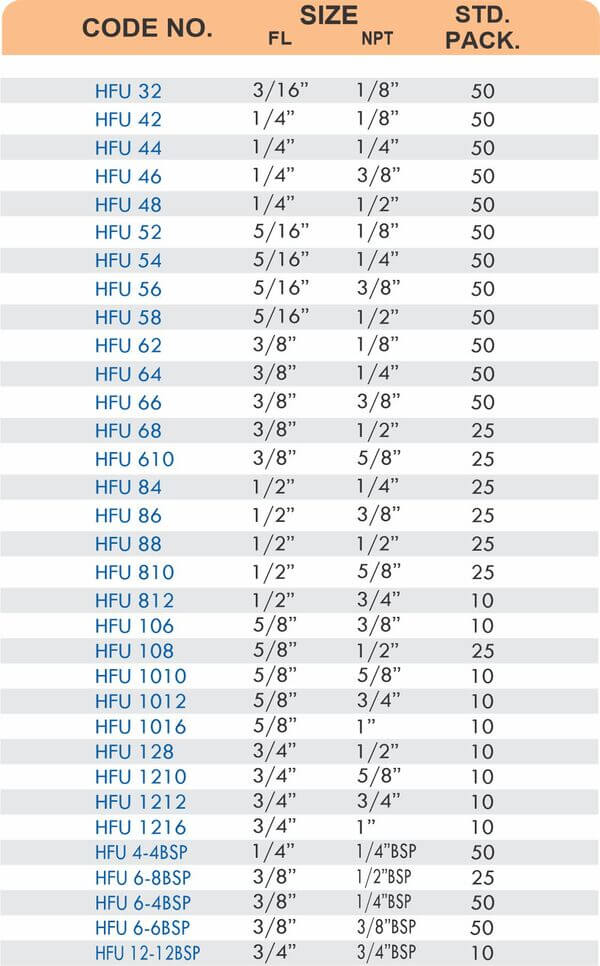
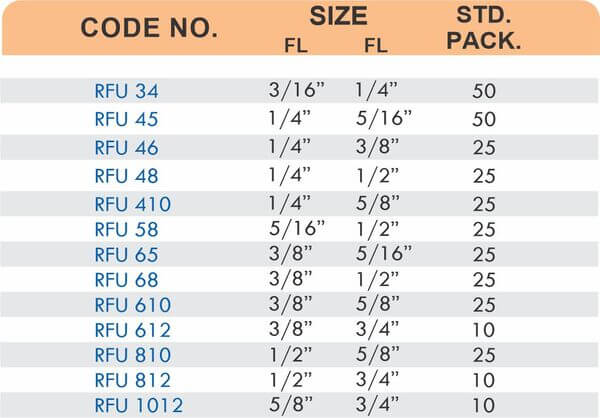
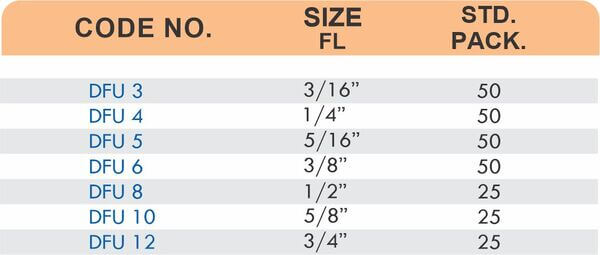
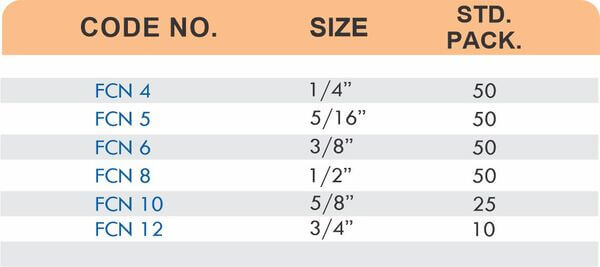
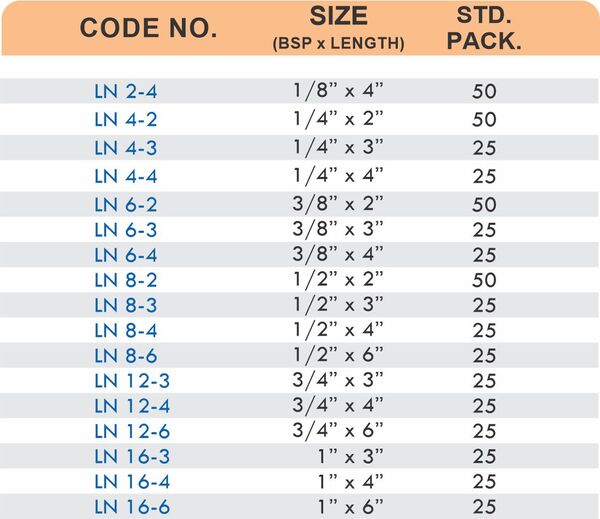
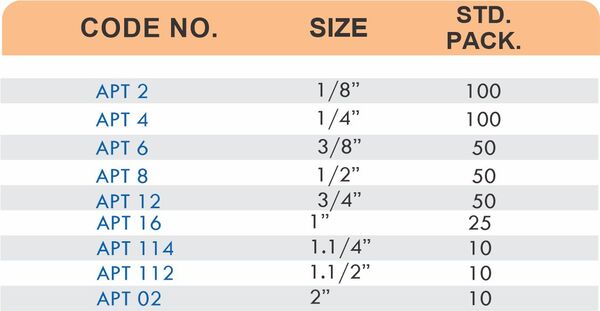
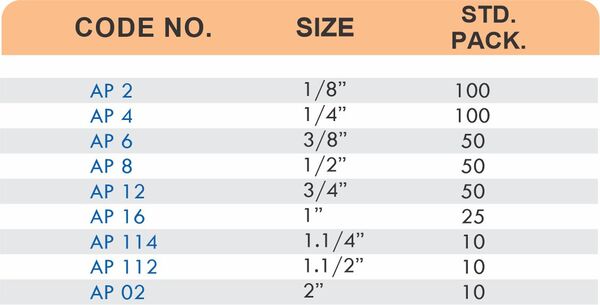
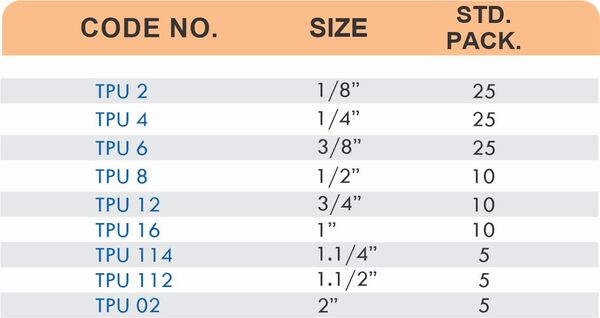
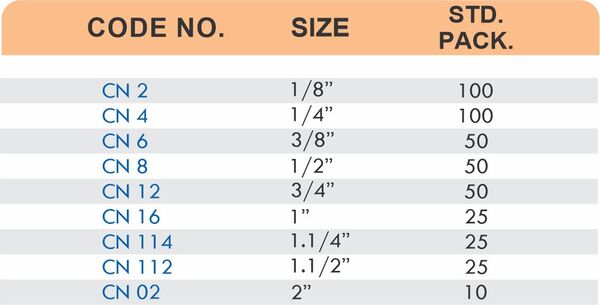
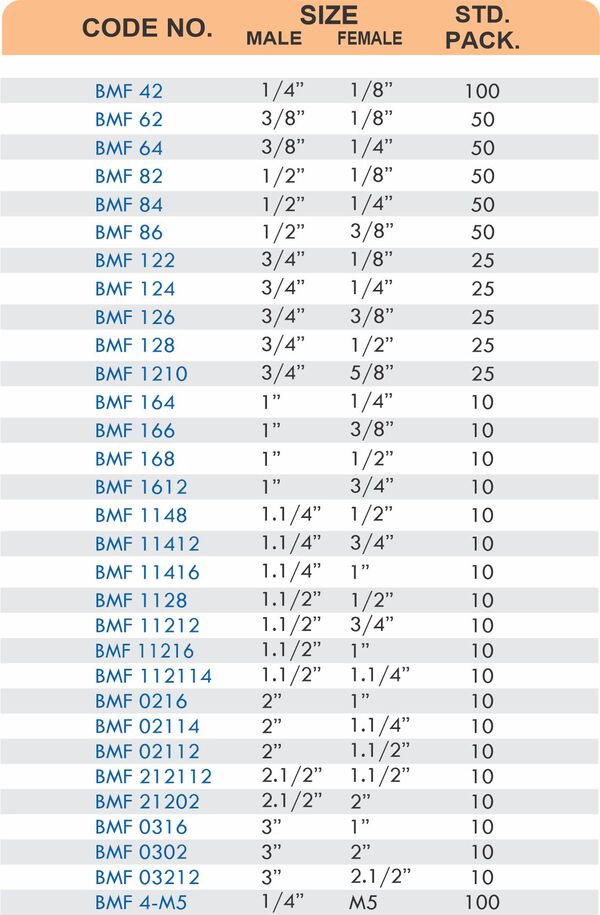
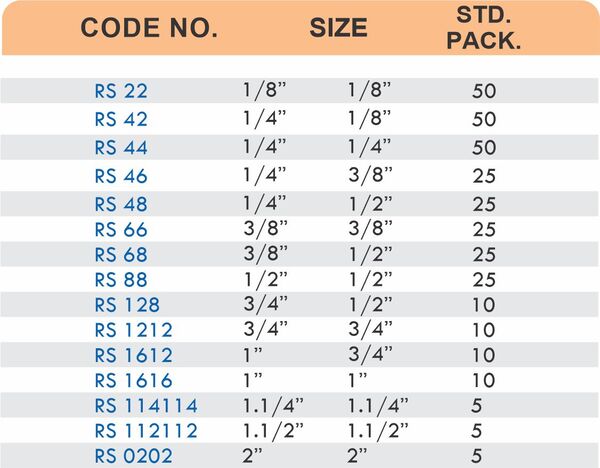
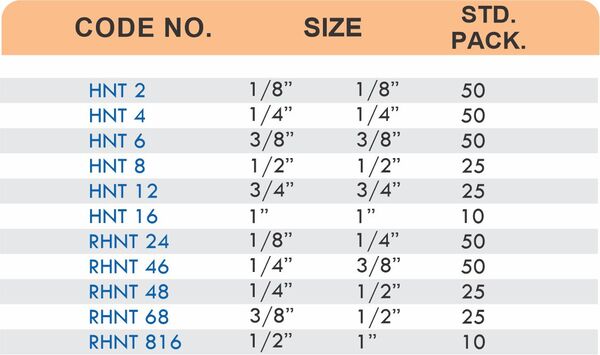
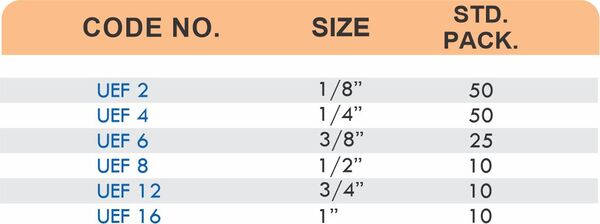
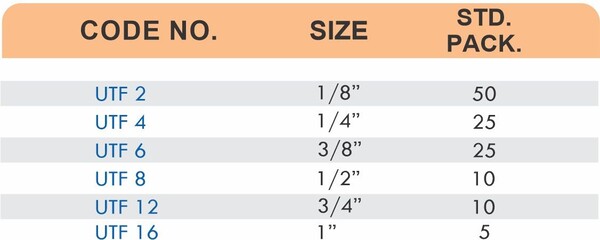
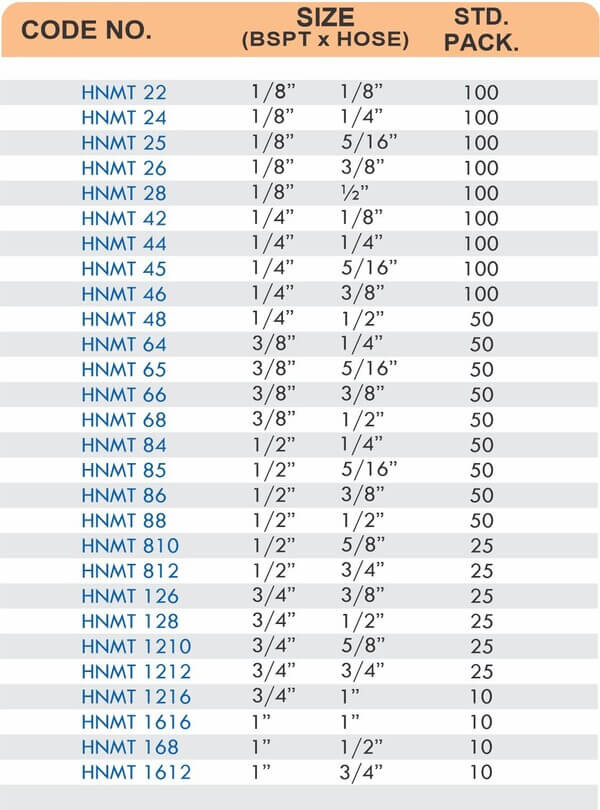
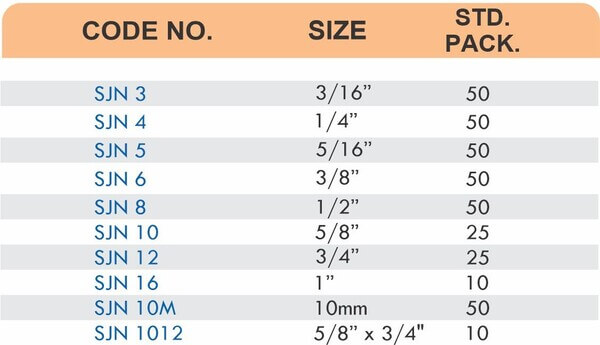
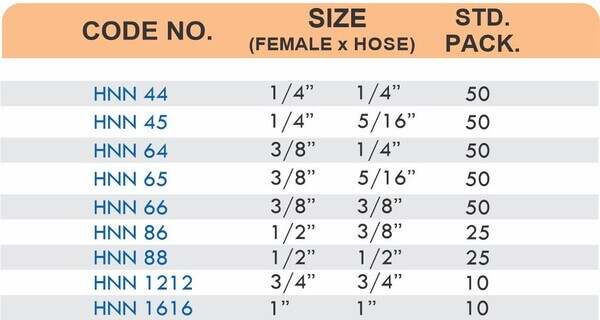
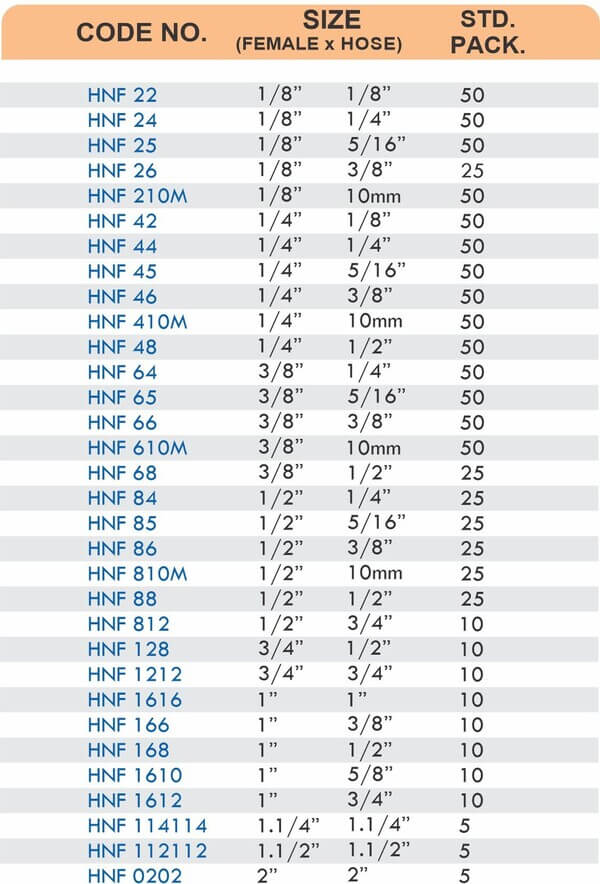
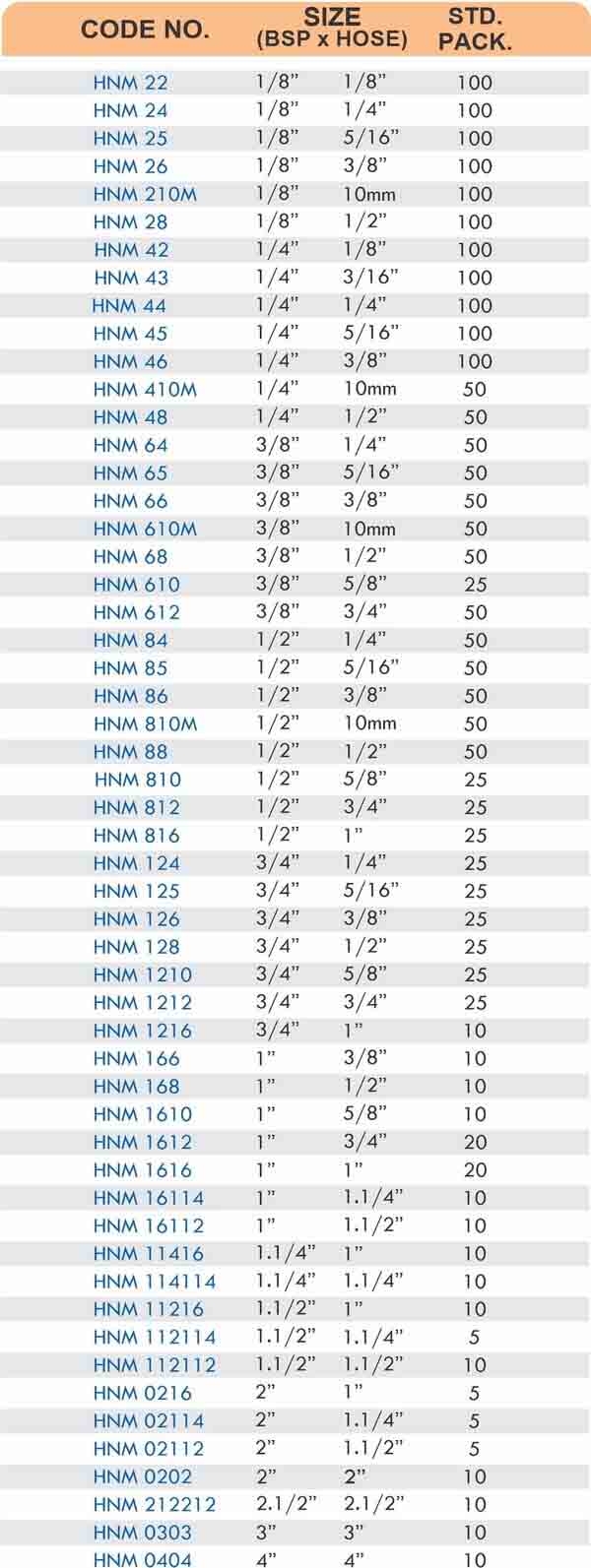
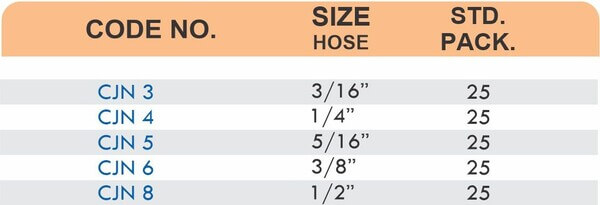
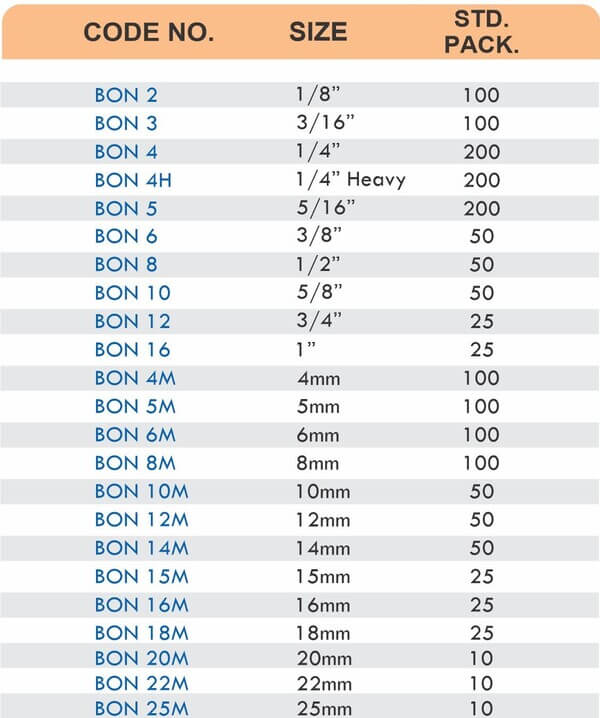
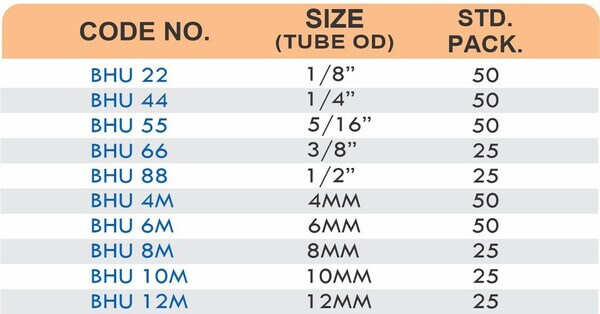
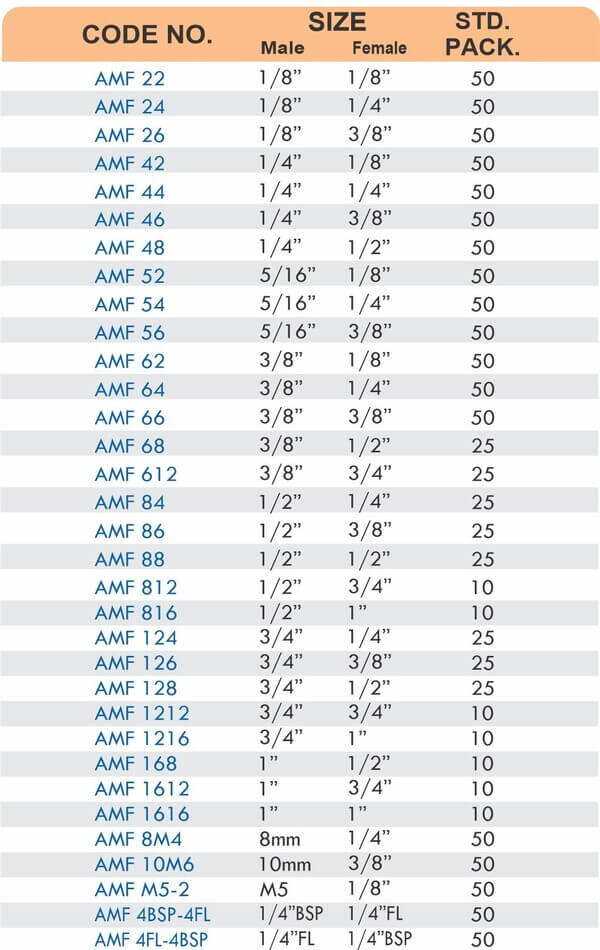
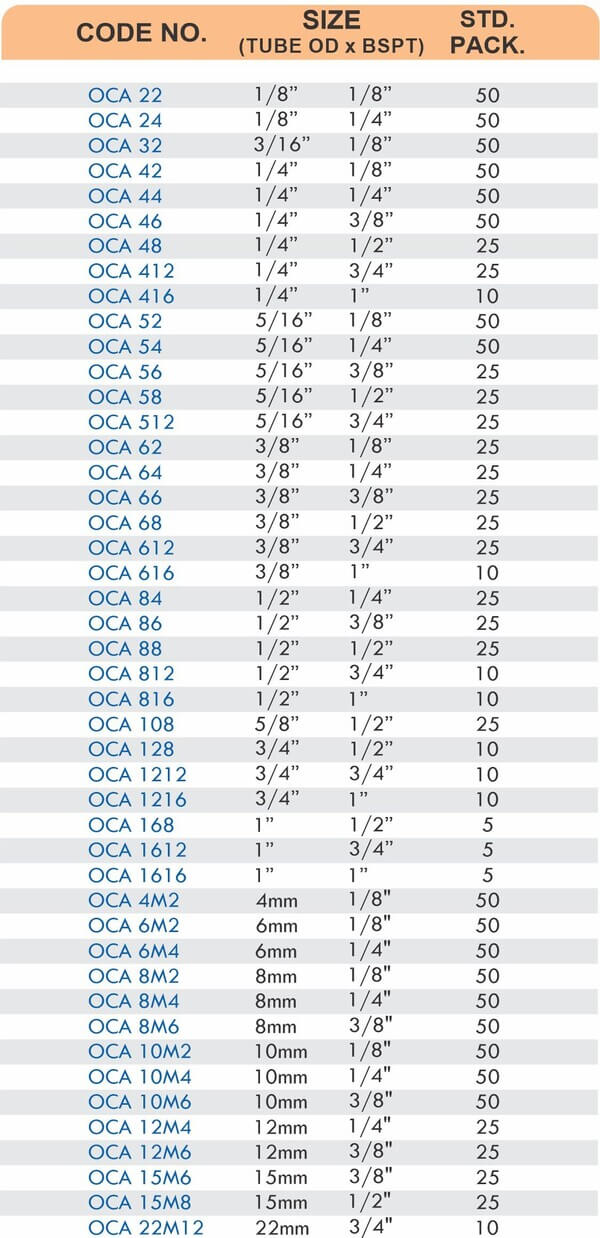
KK International manufactures precision brass hose fittings engineered for strength, corrosion resistance, and long-term performance across plumbing, agricultural, industrial, and automotive applications. Our fittings meet international standards and comply with potable water and safety regulations. Browse our complete brass hose fitting catalog at kkinternational.co.in or contact our technical team for material specifications, pressure ratings, and application recommendations. Get fittings that outlast alternatives and cost less over time.