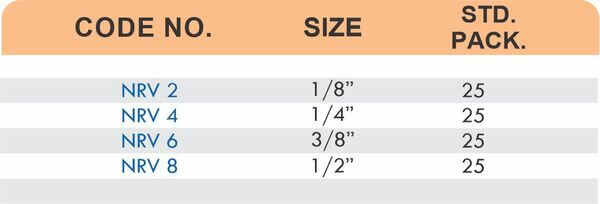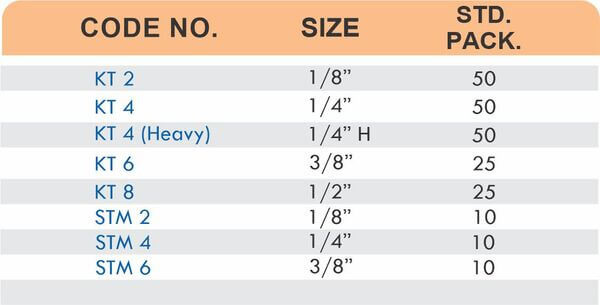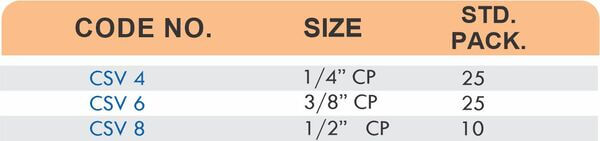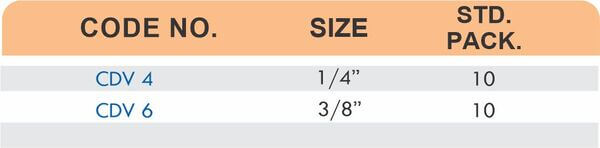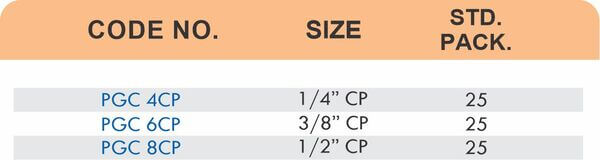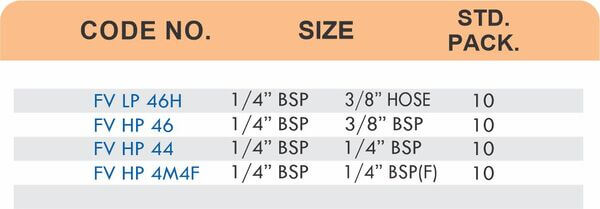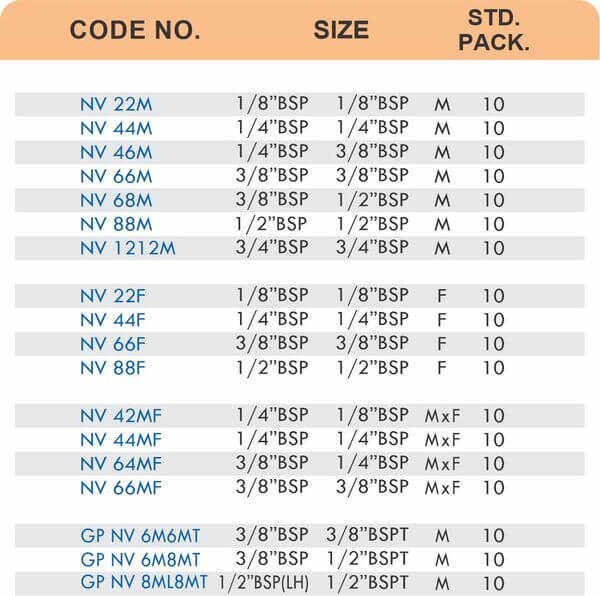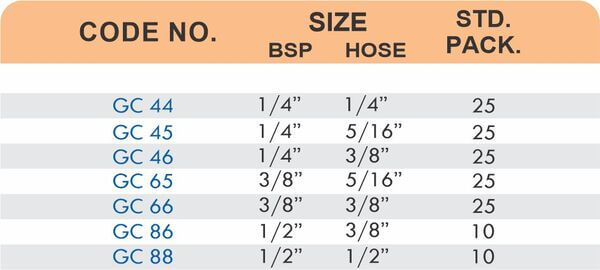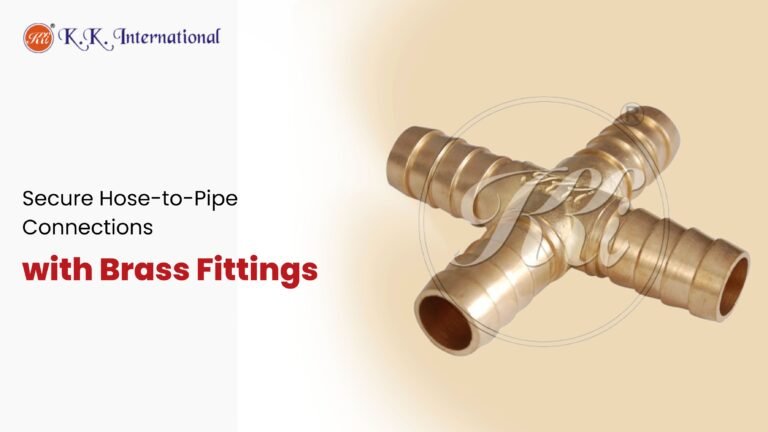
Secure Hose-to-Pipe Connections with Brass Fittings
Loose hose connections leak fluids, damage equipment, and create safety hazards that shut down operations within hours. The connection method you choose determines whether your system stays sealed under pressure or fails during peak demand. Brass hose-to-pipe fittings eliminate connection failures by combining mechanical grip strength with corrosion resistance that lasts decades. This guide walks you through the types of brass fittings that secure hose connections, the technical features that prevent leaks, and how to install them correctly. By the end, you’ll understand why brass outperforms alternatives and how to choose the right fitting for your application.
Types of Brass Hose-to-Pipe Fittings
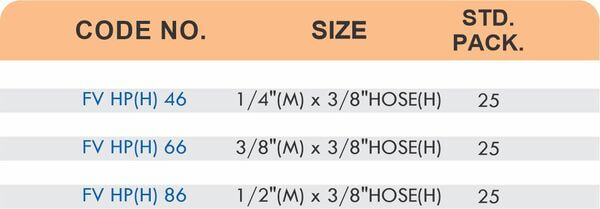
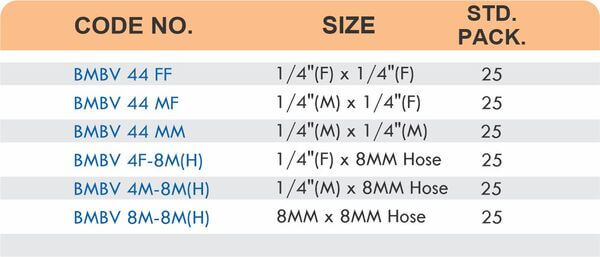
Barbed Hose Fittings
Barbed hose fittings push inside the hose end where multiple serrated or tapered rings physically grip the inner hose wall. The barb design prevents slippage under pressure—once seated, the hose can’t pull off without deliberate force. One end features the barb; the other end connects to pipe through threads, compression, or push-to-connect mechanisms.
Common barb configurations include straight (inline connections), 90-degree elbows (corner routing), tees (three-way branches), and swivel styles (allowing hose rotation without disconnection). Brass barbs work with rubber, silicone, nylon, and PVC hoses across pressure ranges from low-flow (5 PSI) to high-pressure systems (300+ PSI).
Compression Hose Fittings
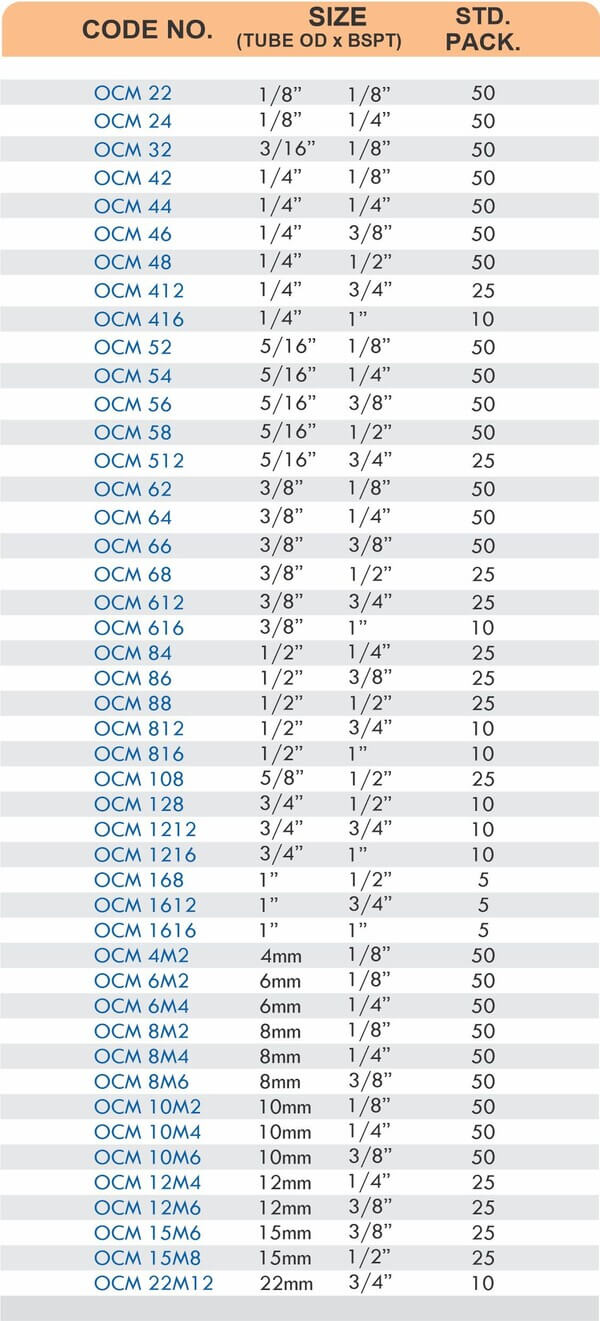
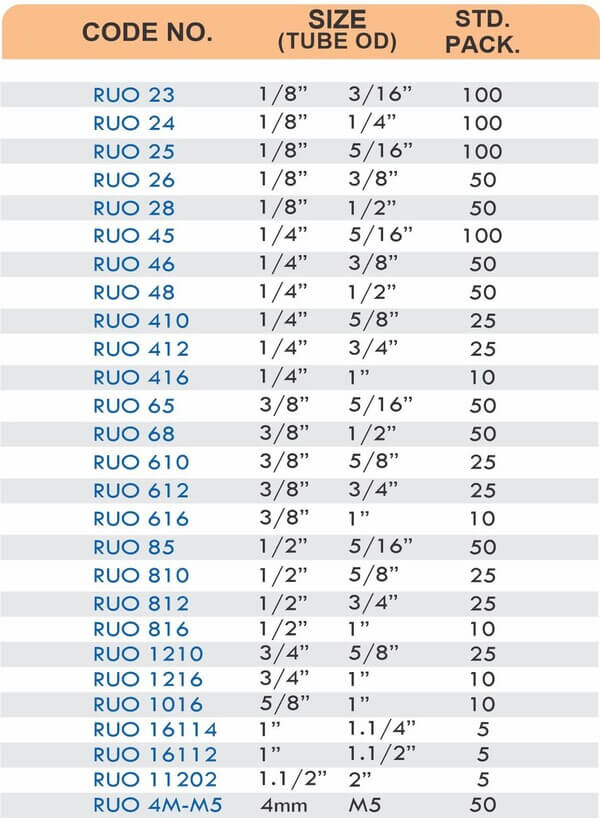
Compression fittings clamp hose ends through a ferrule and nut mechanism similar to tube fittings but sized for larger hose diameters. The ferrule compresses as you tighten the nut, creating an expanding grip that conforms to the hose outer surface. This design works with rigid pipe and flexible hose interchangeably, making it ideal for transitions between fixed and movable line sections.
Compression brass hose fittings tolerate hose deterioration better than barbs. As rubber ages and hardens, the ferrule adapts to changing dimensions. Barbs, by contrast, rely on hose elasticity to maintain grip—hardened hose can slip despite barb teeth.
Threaded and Adapter Fittings
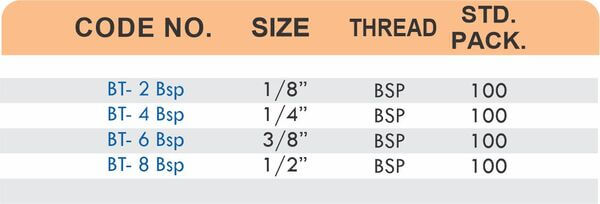
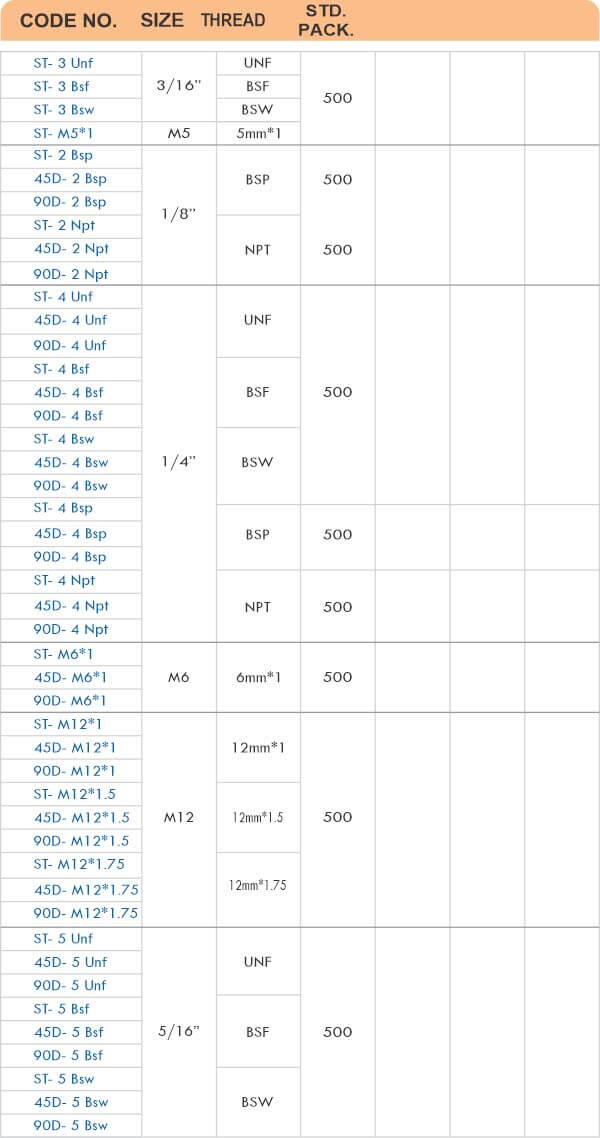
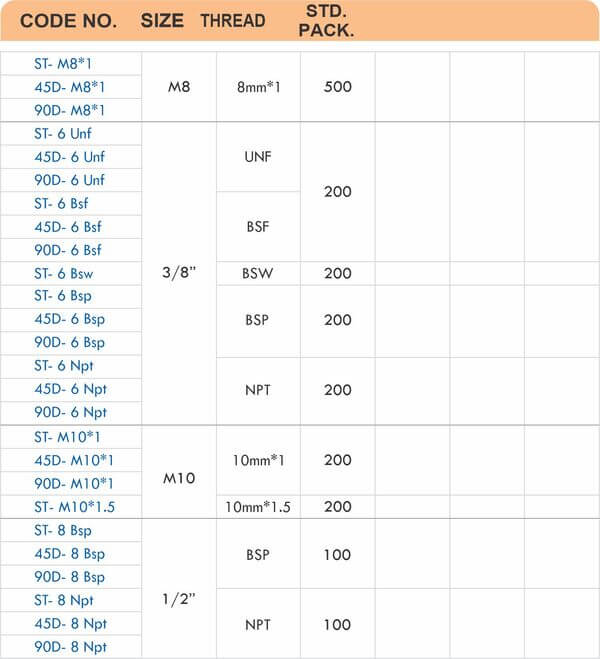
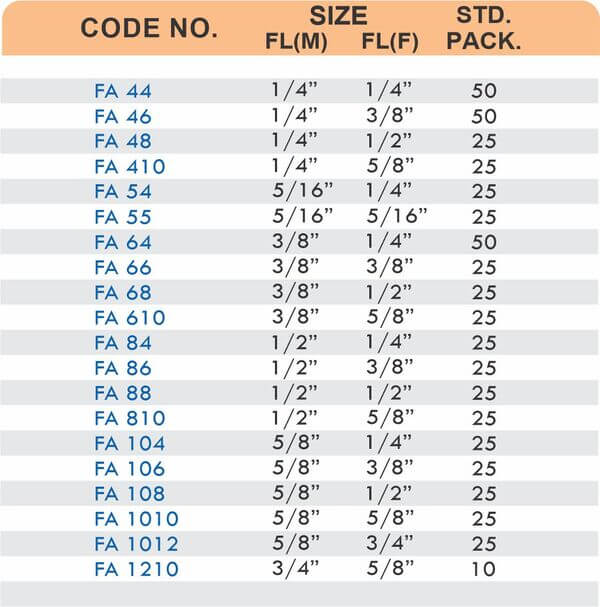
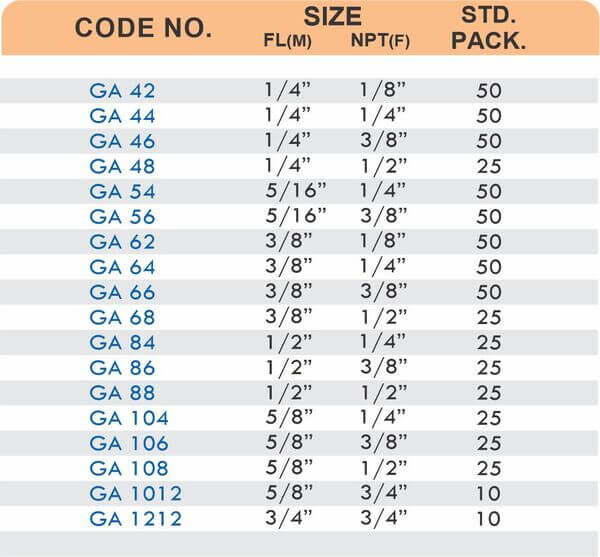
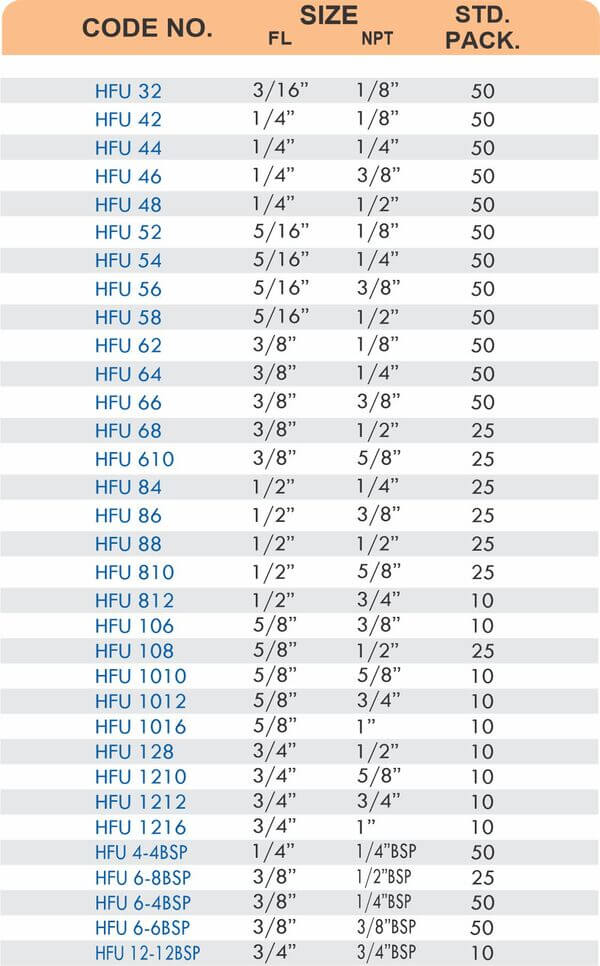
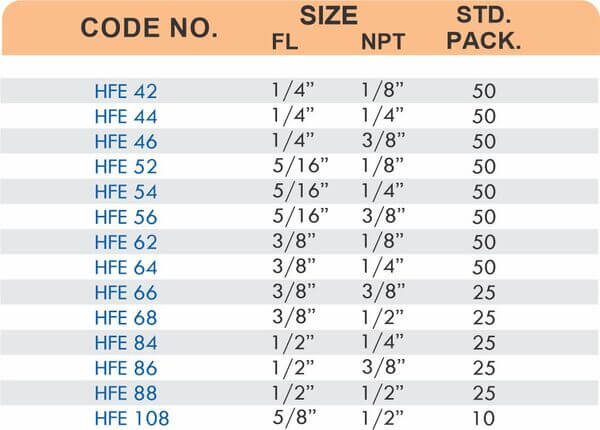
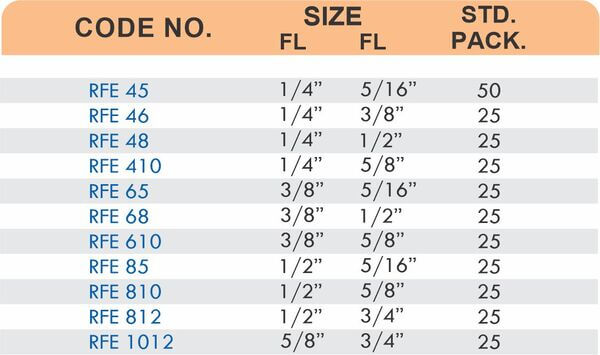
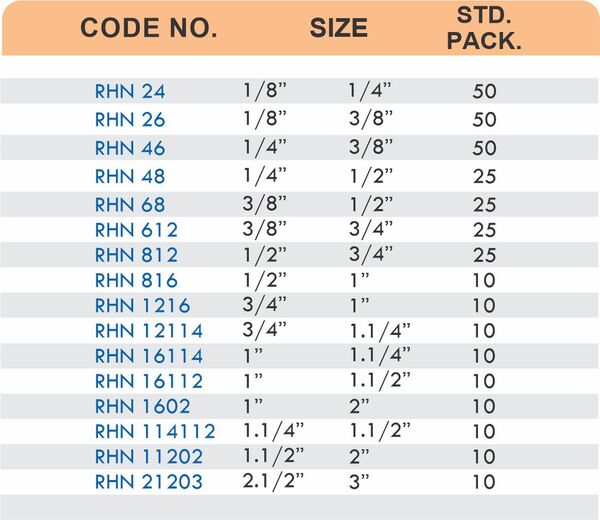
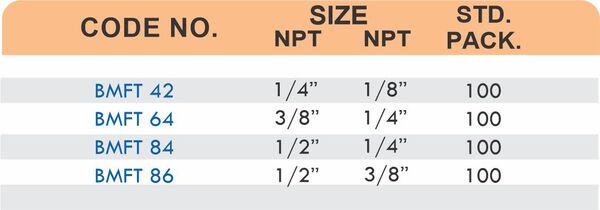
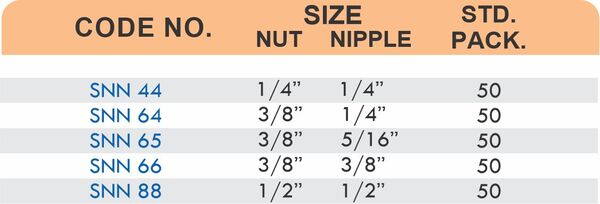
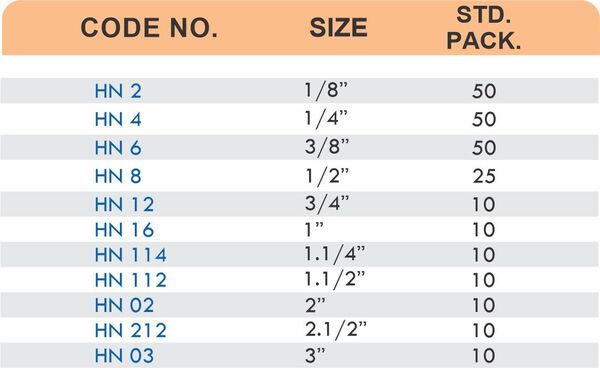
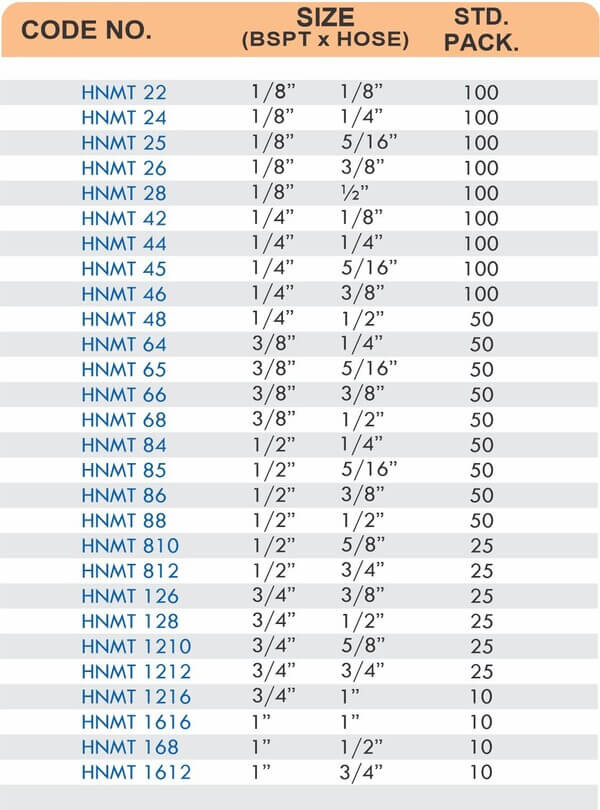
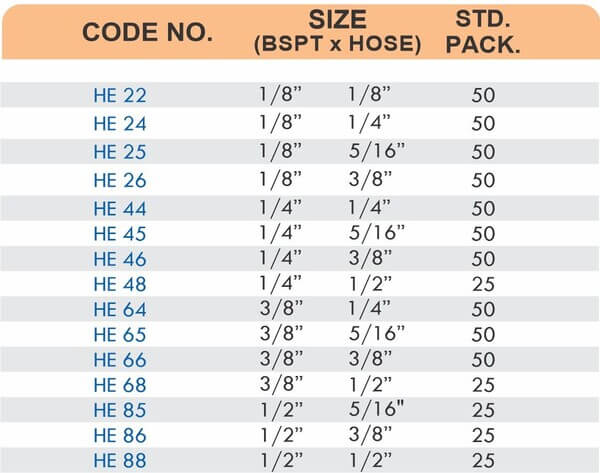
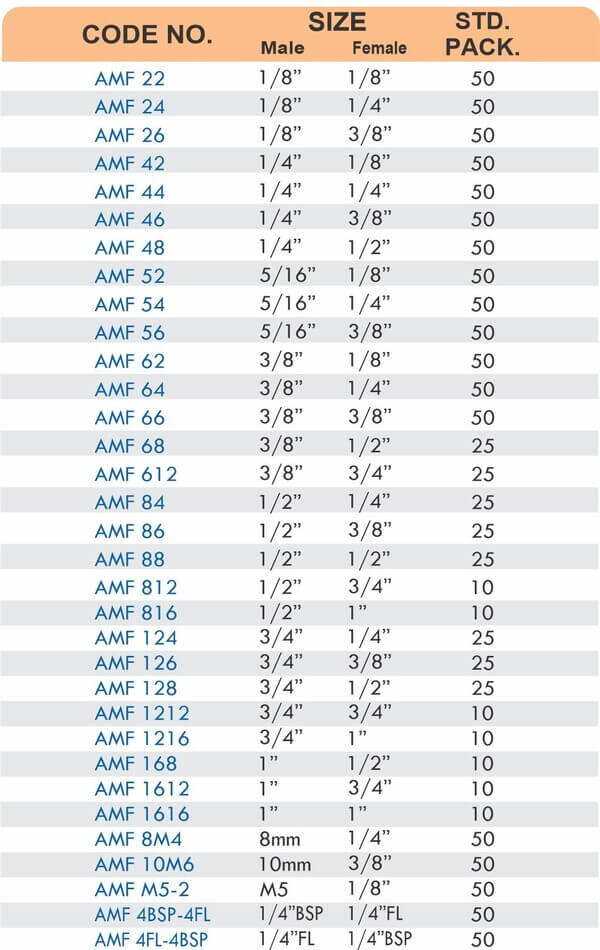
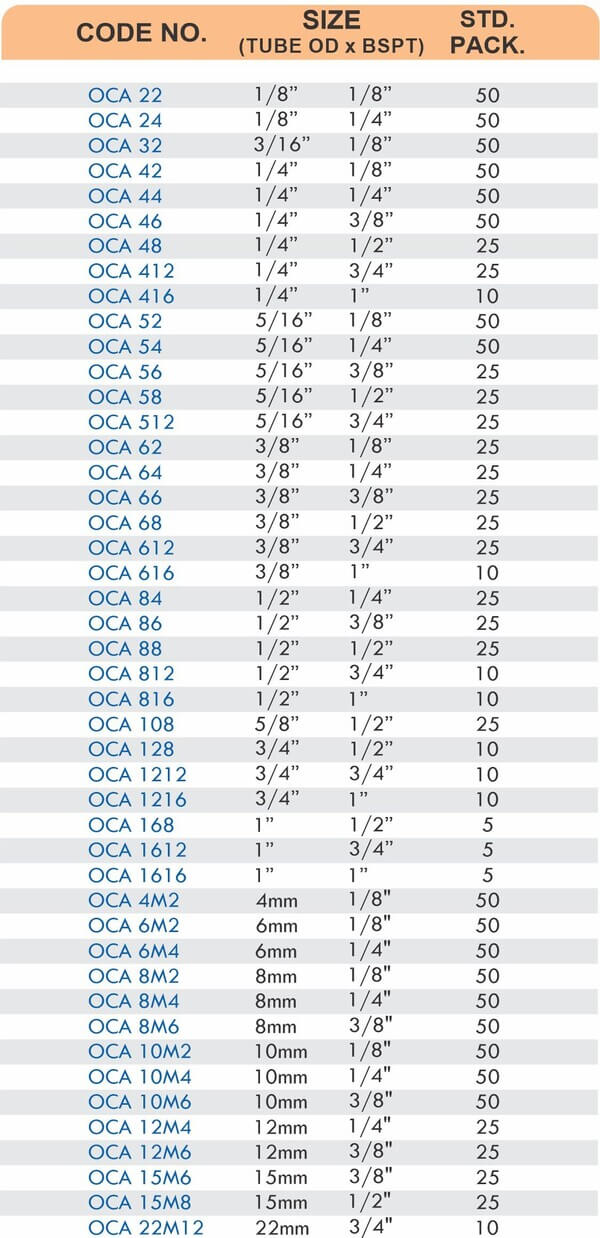
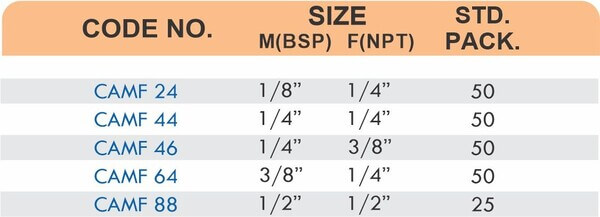
Threaded brass fittings connect the hose to piped systems through NPT or BSP threads. Adapters bridge different connection types—converting barbed ends to threads, compression ends to NPT ports, or hose connections to tube fittings. Unions allow tool-free hose detachment; reducers transition between hose and pipe sizes; nipples connect two threaded ports in compact assemblies.
These fittings serve applications requiring frequent hose changes, seasonal disconnections, or modular system reconfigurations.
Technical Features that Secure Connections
Corrosion Resistance and Heat Tolerance
Brass resists rust, dezincification, and chemical attack from water, oil, and outdoor exposure. A brass hose fitting exposed to rain and soil stays functional for 20+ years; a steel alternative corrodes through within 3-5 years. The material tolerates temperatures from -40°F to 300°F without cracking, losing grip strength, or becoming brittle.
This durability matters for garden irrigation systems left outdoors year-round, automotive engine bays subject to heat cycling, and industrial facilities with washdown environments.
Mechanical Strength and Ductility
Brass is strong enough to handle 300+ PSI without rupturing yet ductile enough to conform to hose variations during clamping. This balance prevents connection failure modes—you don’t get brittle fractures or permanent deformation that creates weak points.
The material resists work-hardening fatigue that weakens aluminum under repeated pressure cycling. Systems with pulsing flow or vibration maintain seal integrity longer with brass than with lighter alloys.
Material Compatibility and Leak Prevention
Brass works with copper, steel, PVC, rubber, and specialty hoses without galvanic corrosion or material incompatibility. The fitting surface doesn’t degrade hose inner walls like harsh or reactive metals might. This compatibility simplifies inventory—you stock one brass fitting type that works across multiple hose materials.
Double ferrule designs on compression fittings create redundant sealing surfaces that maintain integrity even if one surface experiences minor scoring. The result is a connection that doesn’t weep or drip under sustained pressure.
Installation Steps and Best Practices
Preparing the Hose and Pipe
Cut the hose with a sharp blade perpendicular to the tubing, creating a flat, square end. Angled cuts prevent proper fitting contact and cause leaks. For compression fittings, deburr the hose end and wipe clean with a cloth.
For barbed fittings, warm the hose end with hot water for 30 seconds—warm rubber softens and stretches, sliding over the barb without excessive force. Cold hose resists entry and risks tearing internally.
Measuring and Sizing
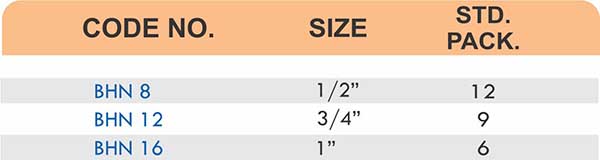
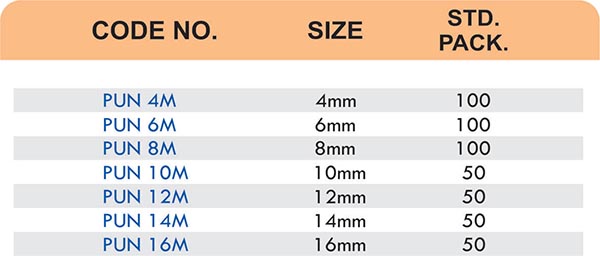
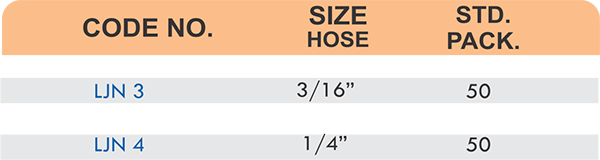
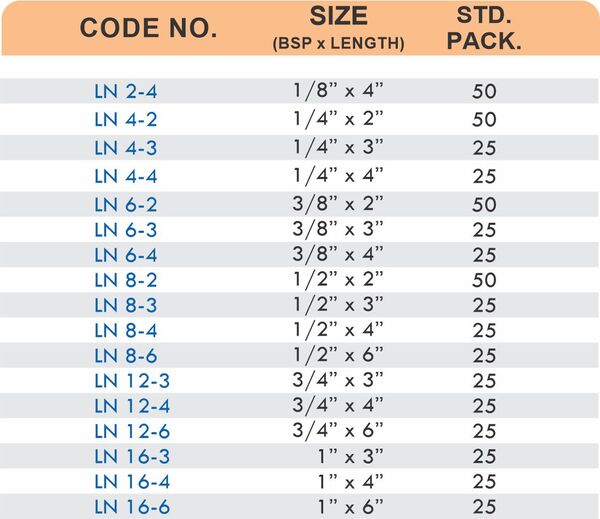
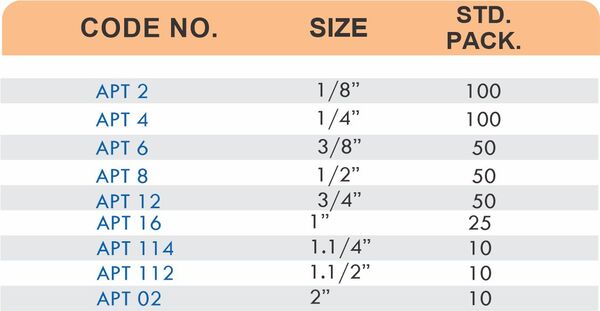
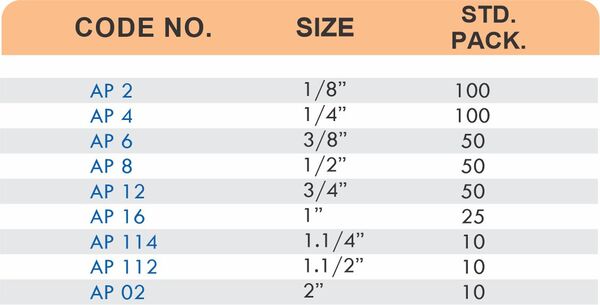
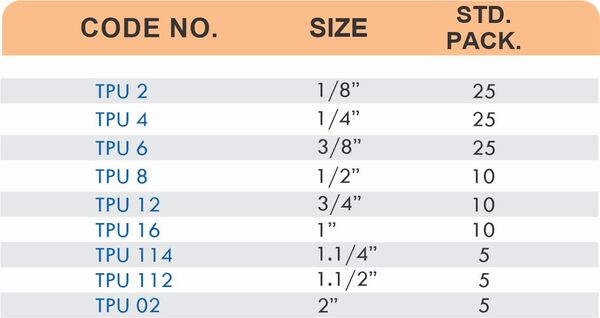
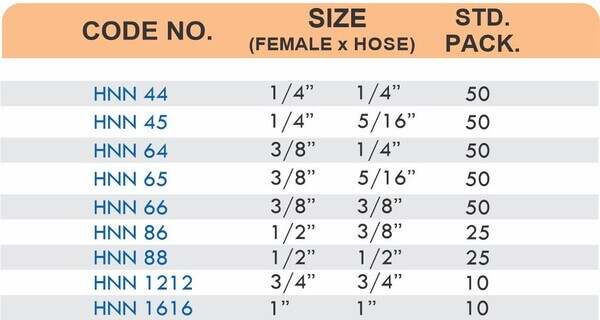
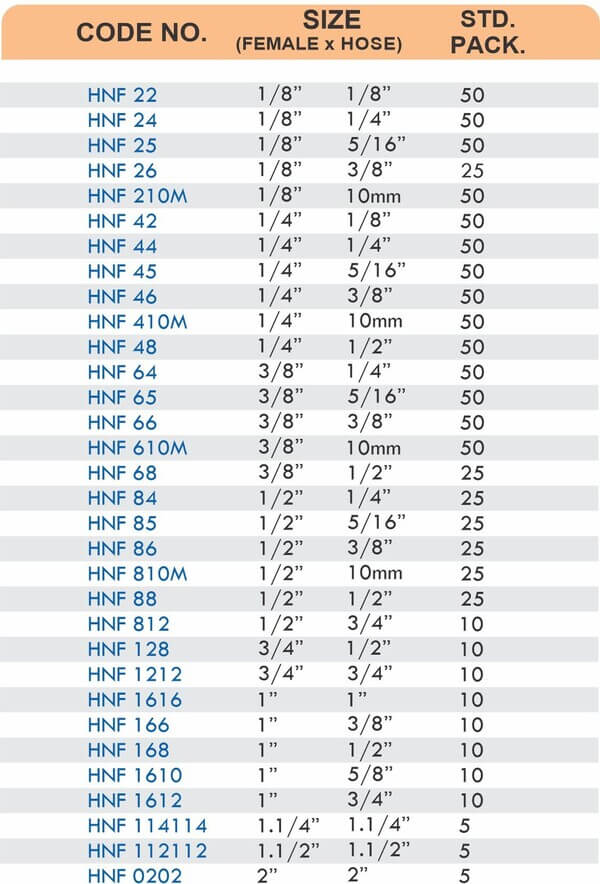
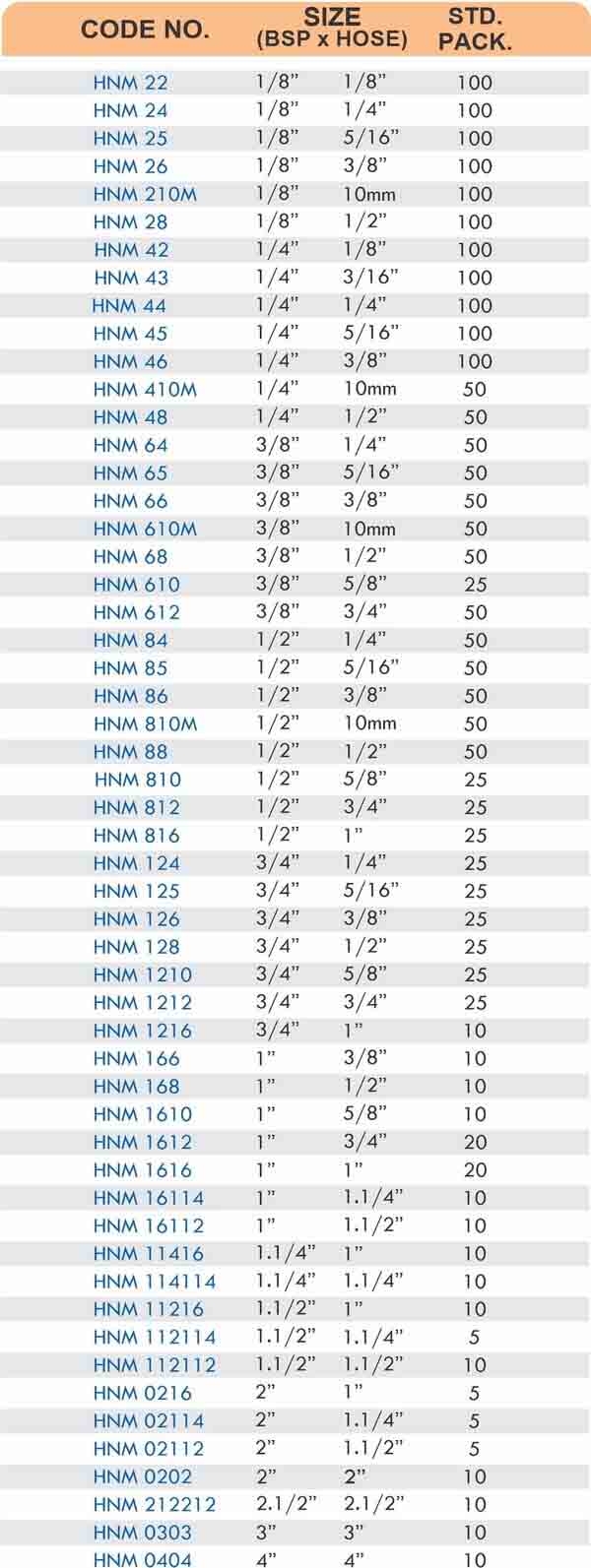
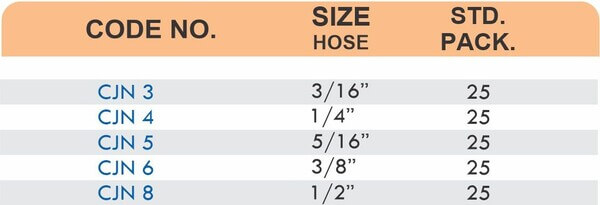
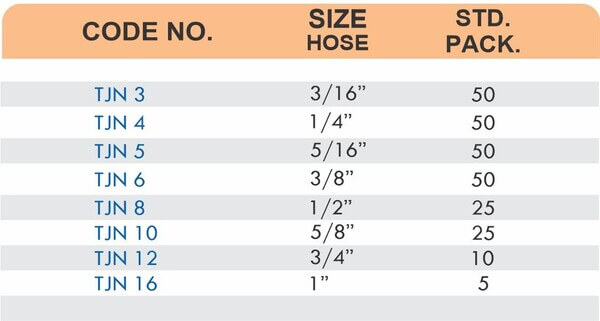
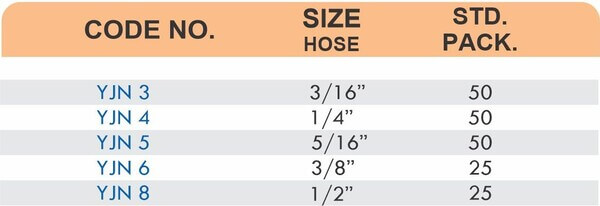
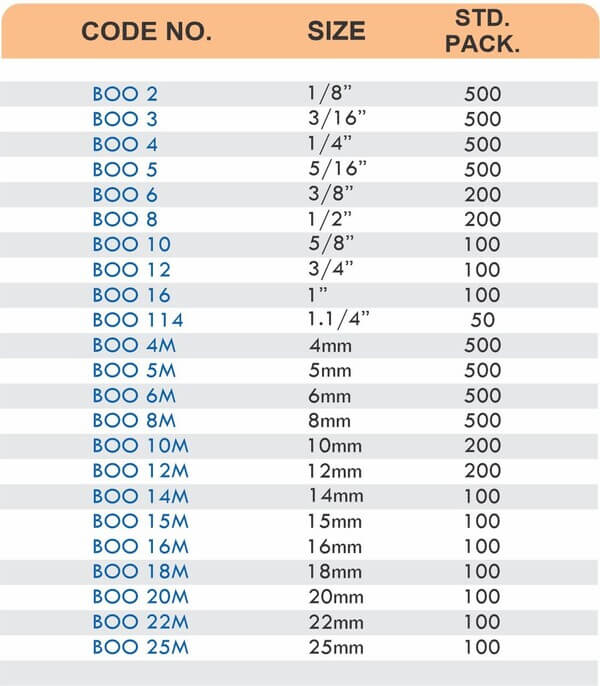
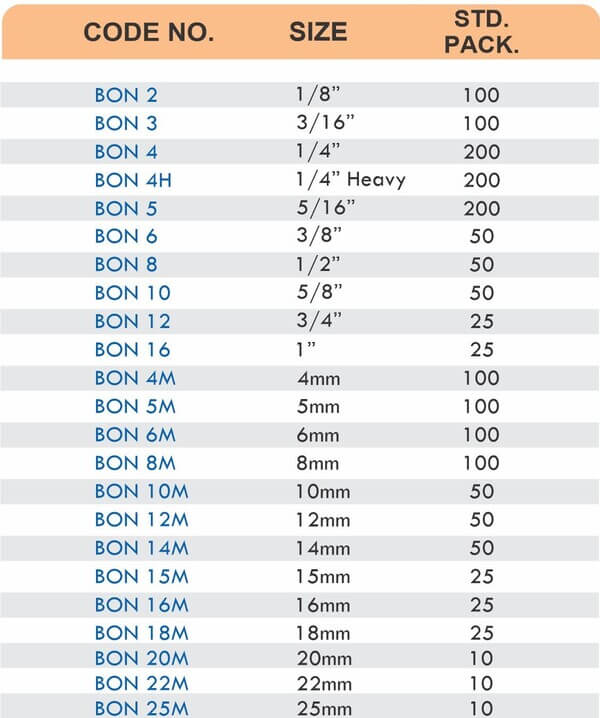
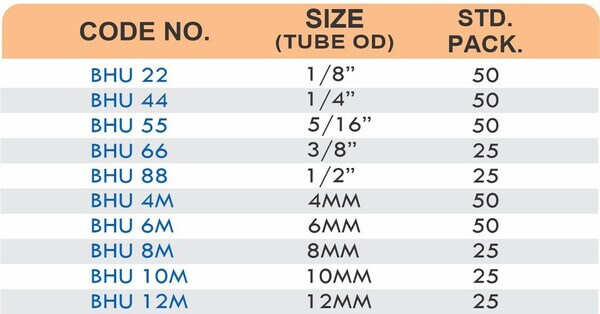
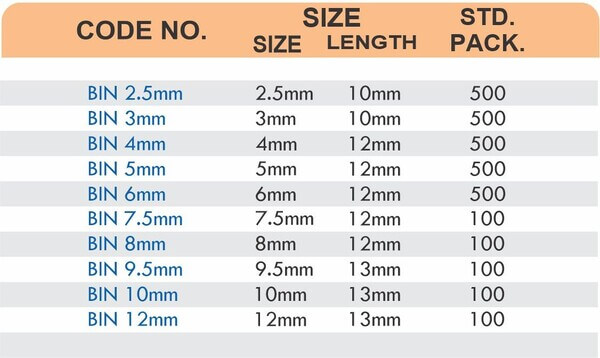
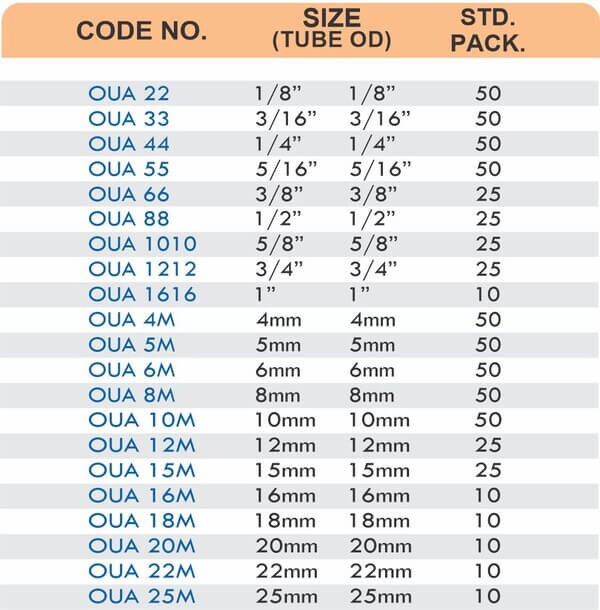
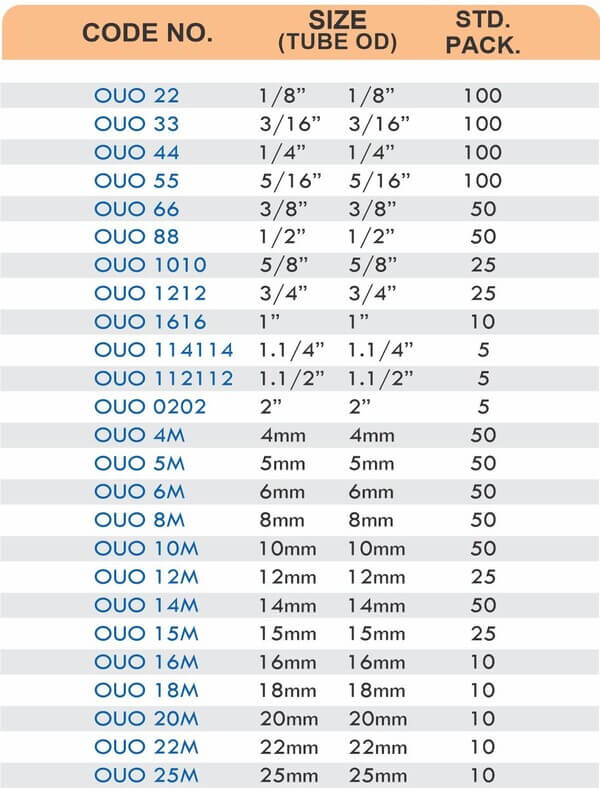
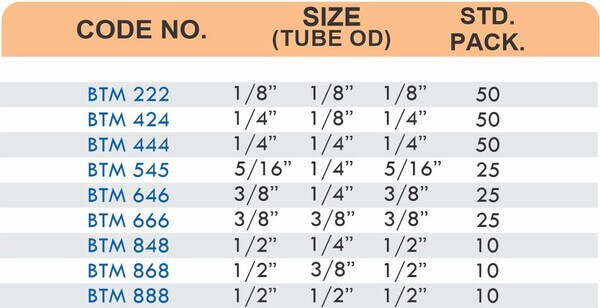
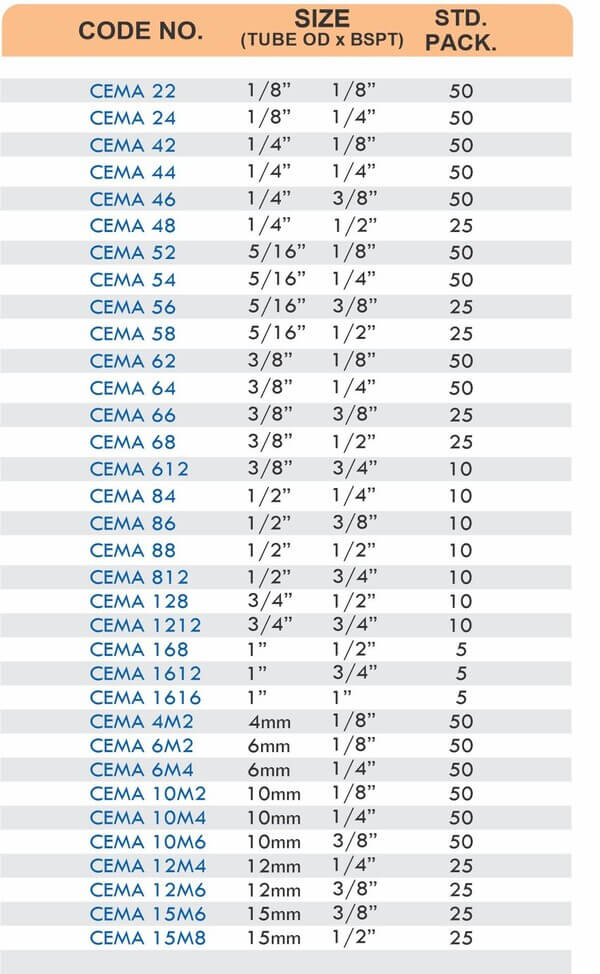
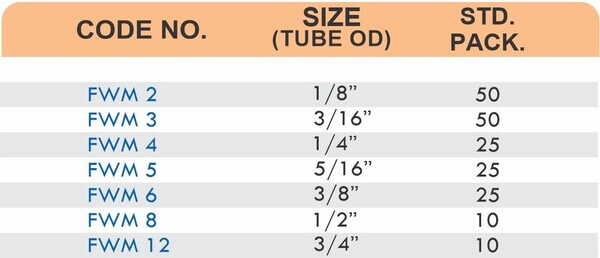
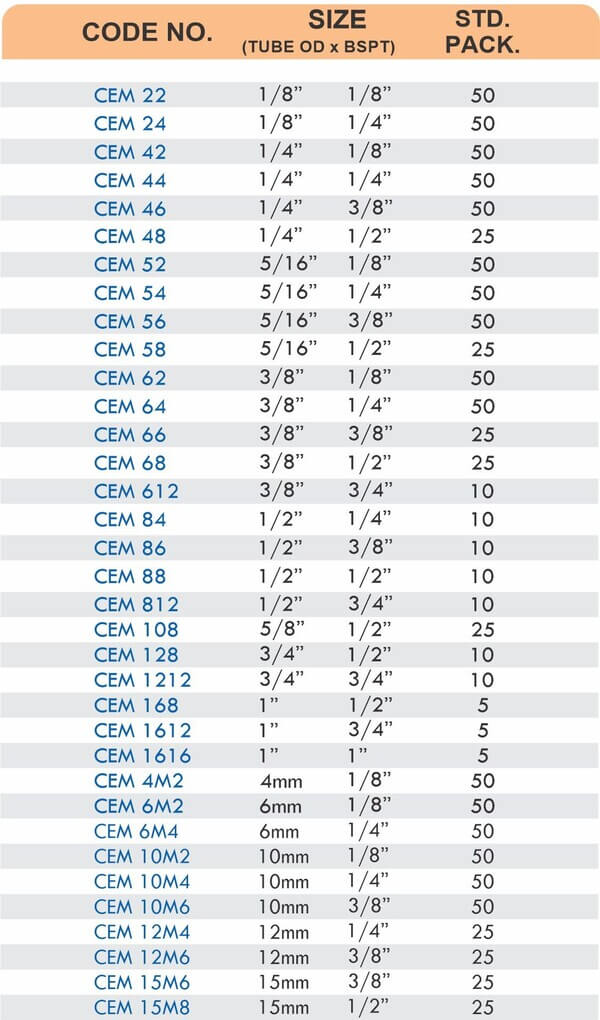
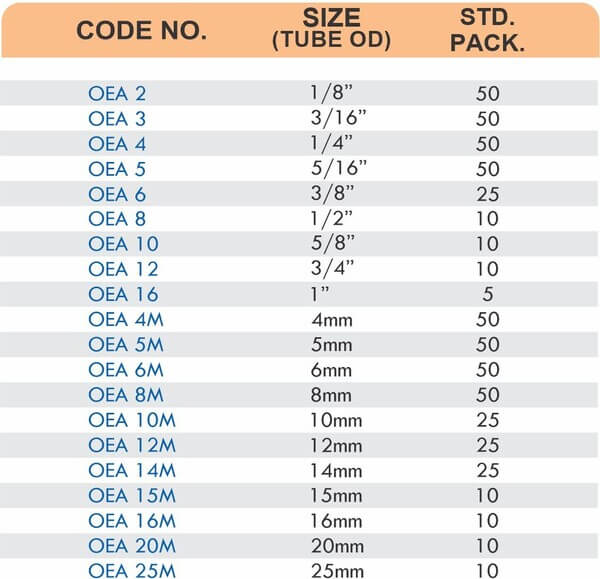
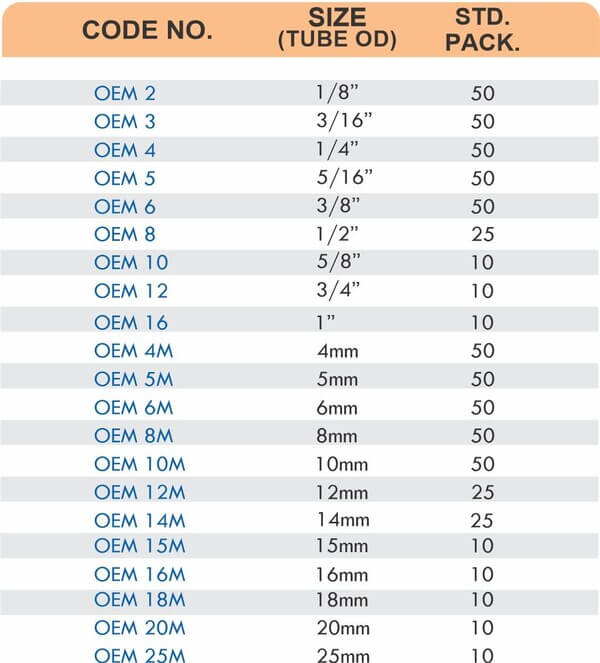
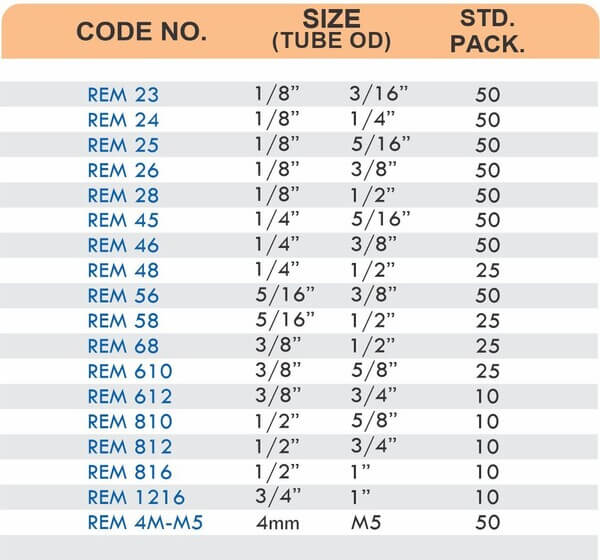
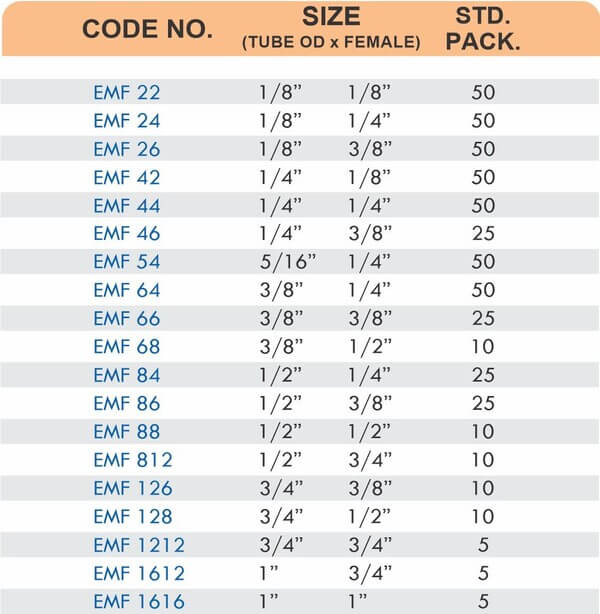
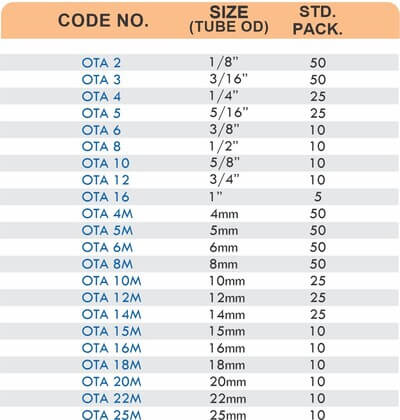
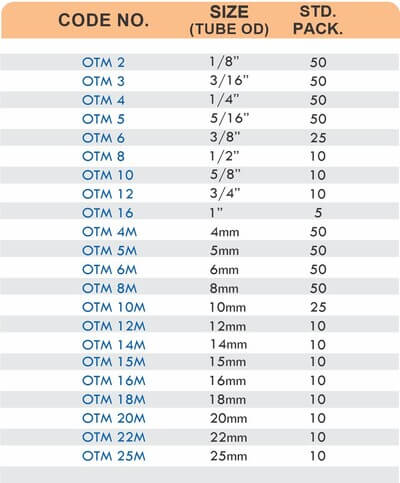
Measure hose outer diameter (OD) accurately. Brass hose fittings are sized by OD—ordering the wrong size wastes time and forces reordering. Use a caliper for precision; visual estimation causes 40% of sizing errors.
For compression fittings, the ferrule must contact the entire hose circumference, so the hose must be free of flat spots or deformation. Reject hoses with visible damage before assembly.
Clamping and Torque
For barbed fittings, push the hose over the barb until seated fully. The connection seats when the hose reaches the fitting shoulder—no further pushing needed. Install the hose clamp around the seated hose and tighten snug, not to maximum force. Over-tightening crushes the hose and creates stress points that weaken the connection.
For compression fittings, hand-tighten first to center components, then wrench-tighten three-quarters of a turn. This compresses the ferrule without over-deforming it. Test at operating pressure before declaring the system ready.
Common Mistakes to Avoid
Don’t skip hose preparation—burrs and debris prevent proper seating. Don’t over-tighten clamps or compression nuts thinking it strengthens the connection; it actually promotes failure. Don’t mix barbed and compression fittings on the same hose line—use matched types throughout.
Applications Across Industries
Garden irrigation systems rely on brass hose-to-pipe fittings for long-term outdoor reliability without freezing damage or UV degradation. Automotive cooling systems use brass fittings to connect radiators, heaters, and engine blocks—the corrosion resistance prevents rust stains and blockages.
HVAC systems employ brass fittings for refrigerant lines and condensate drains. Industrial machinery uses them in hydraulic circuits, pneumatic controls, and water cooling loops. Gas equipment connections often specify brass for its durability and safety record.
Performance Comparison
Brass hose fittings outlast plastic alternatives by 10+ years in outdoor exposure. Plastic cracks under UV and temperature extremes; brass softens gracefully, maintaining integrity across temperature ranges. Installation time favors brass—a barbed or compression brass fitting installs in 2-3 minutes without special tools. Proprietary quick-connects take similar time but cost 3-5x more per unit.
Reusability distinguishes brass. You can disconnect and reconnect a brass barbed fitting 15+ times before wear becomes significant. Plastic push-fit connectors degrade rapidly with repeated use.
FAQs
Can I use a brass barbed fitting on a hose that’s been sitting in storage?
Older hoses may have hardened rubber that resists sliding over the barb. Warm the hose with hot water for 30-60 seconds before insertion to soften the rubber. If the hose still won’t seat after warming, replace it—attempting to force a hardened hose risks internal tearing and will leak.
What’s the difference between single and double ferrule compression fittings?
Single ferrule designs compress once when you tighten the nut. Double ferrule designs create two contact points during compression, providing redundant sealing for higher-pressure applications and longer service life. Most garden and low-pressure systems use single ferrule; industrial hydraulics often specify double ferrule.
Do I need sealant tape on brass hose fittings?
No. Barbed and compression fittings seal through mechanical contact, not thread sealing. Adding tape or sealant can interfere with proper ferrule contact and cause leaks. Threaded brass fittings connecting to pipe threads do require thread sealant or tape on the male thread portion.
Can brass hose fittings be reused after disconnection?
Yes, barbed fittings can be reused 15+ times before wear becomes significant. Compression fittings tolerate 4-6 reuse cycles. Inspect the hose end and ferrule each time—if you see scoring, tears, or permanent compression marks, replace the hose or ferrule.
What pressure rating do brass hose-to-pipe fittings handle?
Standard barbed fittings work up to 300 PSI; compression brass fittings reach 600+ PSI depending on size. Verify the specific fitting’s pressure rating against your system’s maximum operating pressure plus 25% safety margin.
Choose Brass for Leak-Free Systems
Brass hose-to-pipe fittings deliver secure, long-life connections because they combine mechanical precision with corrosion-resistant material. Install them right—measure accurately, prepare hose ends cleanly, and tighten to specification—and they’ll outlast your equipment.
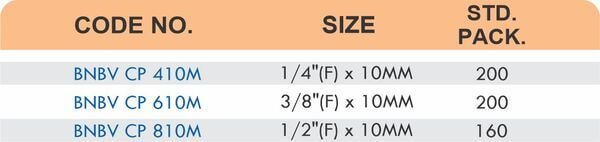
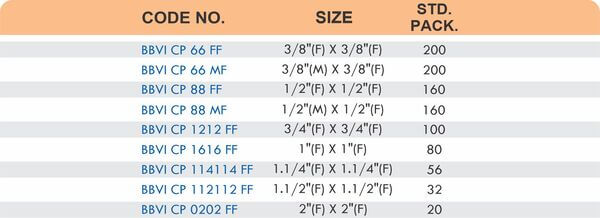
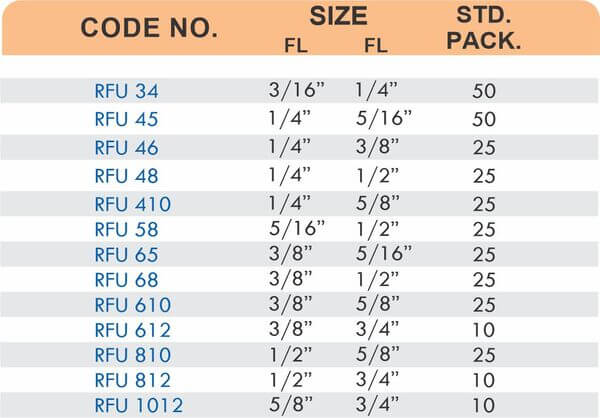
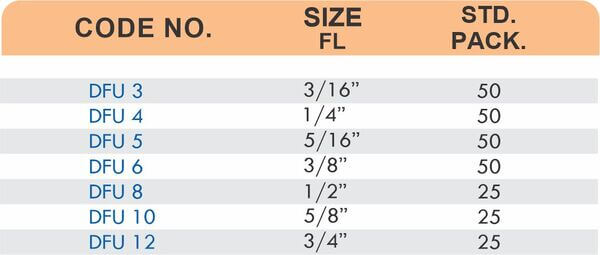
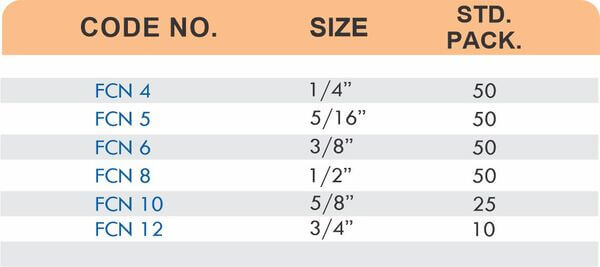
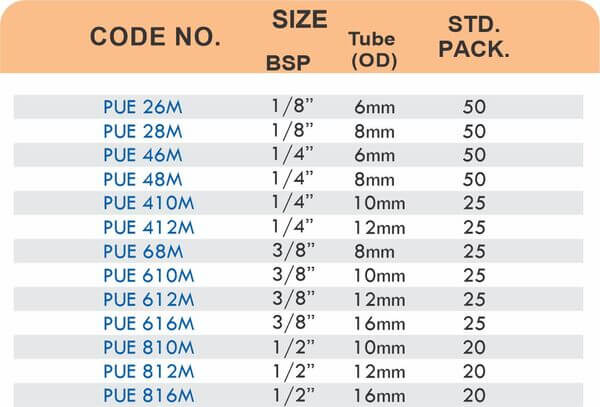
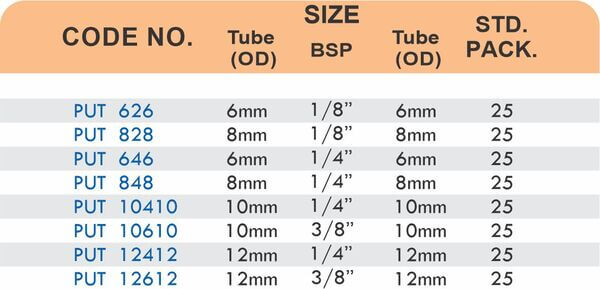
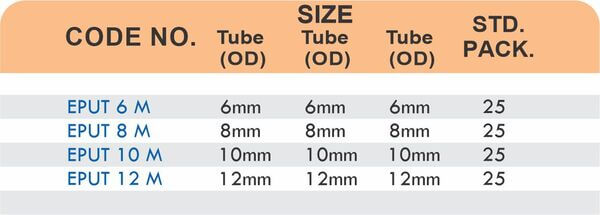
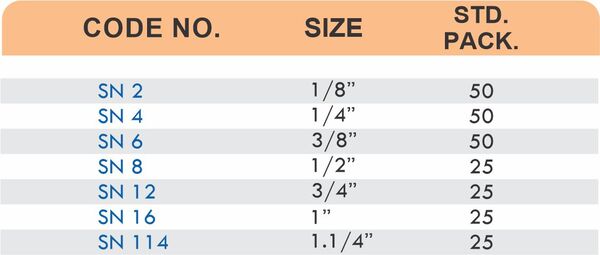
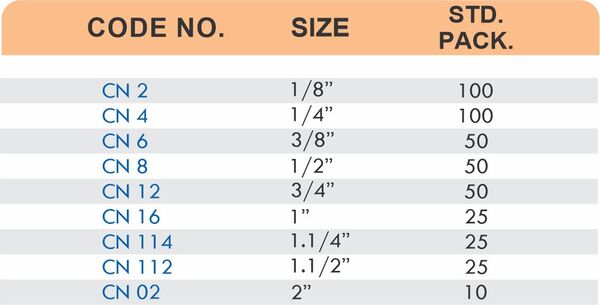
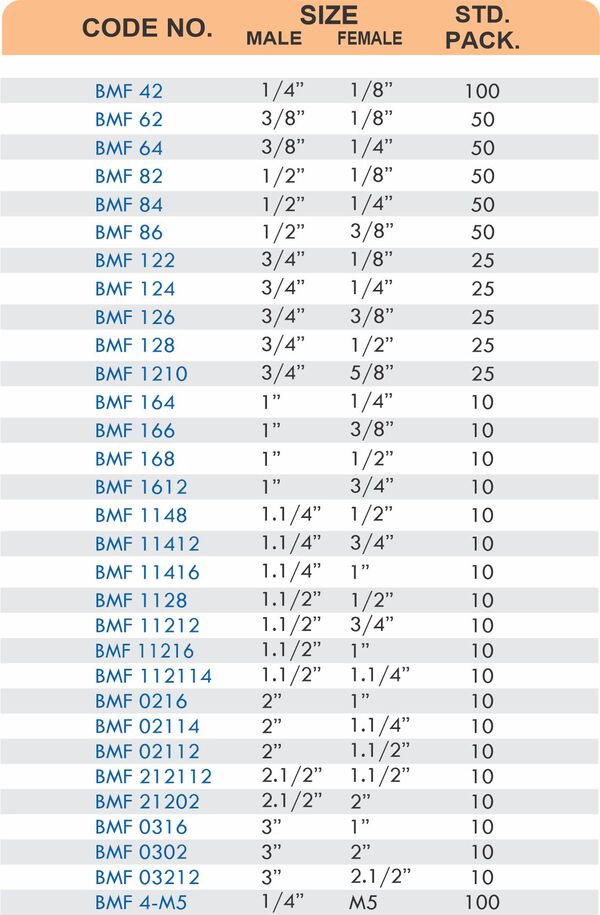
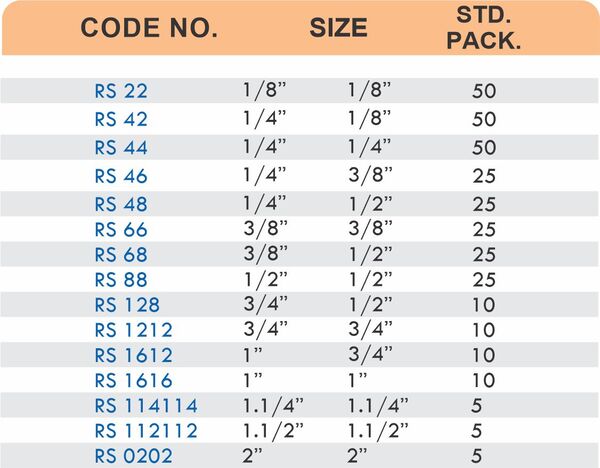
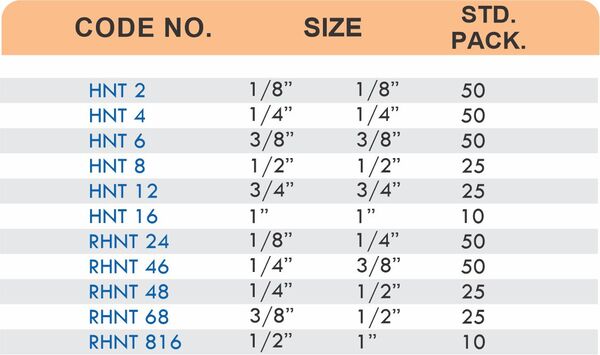
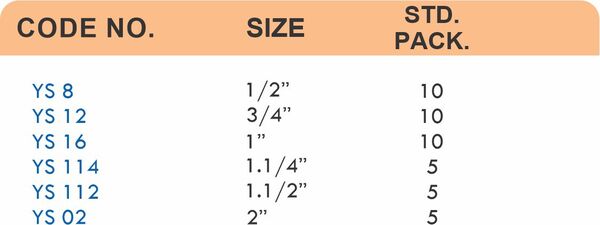
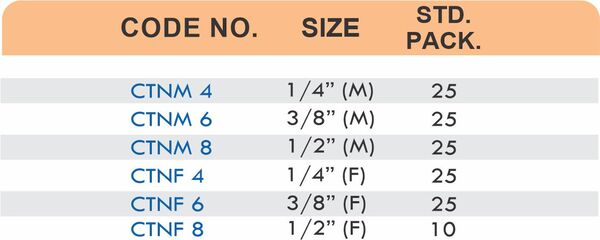
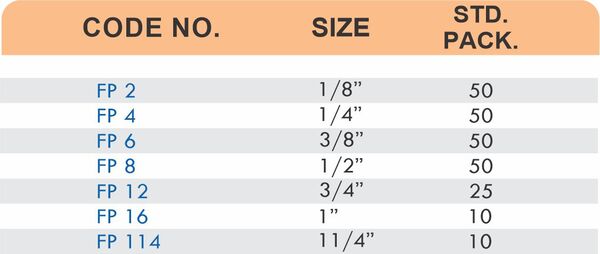
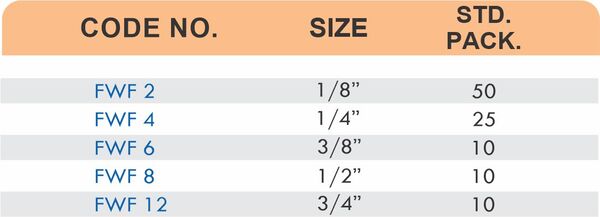
KK International manufactures precision brass hose-to-pipe fittings in barbed, compression, and threaded configurations designed for secure connections across plumbing, irrigation, automotive, HVAC, and industrial applications. Our fittings meet international standards for material purity and dimensional accuracy, ensuring leak-free performance in high-pressure and outdoor environments. Browse our complete hose fitting range at kkinternational.co.in or contact our technical team for sizing guidance, bulk pricing, or custom configurations. Get fittings that grip tight, stay sealed, and last.