Brass Ball Valve Manufacturer – KK International
The Ultimate Guide to Choosing a Brass Ball Valve Manufacturer – Spotlight on KK International
In today’s industrial and commercial world, finding a reliable brass ball valve manufacturer is key to ensuring system safety, durability and performance. Whether it’s plumbing, gas systems, HVAC, or heavy-duty industrial applications, your choice of valve supplier and materials matters. In this blog we dive deep into why brass ball valves are widely used, what to look for in a top manufacturer, and why K K International stands out as a premium choice.
Table of Contents
-
Why Brass Ball Valves Matter
-
Key Advantages of Brass Ball Valves
-
Typical Application Areas for Brass Ball Valves
-
What to Look for in a Brass Ball Valve Manufacturer
-
Why K K International Is a Trusted Name
-
How to Choose the Right Valve for Your Needs
-
Installation & Maintenance Tips for Brass Ball Valves
-
Final Thoughts
1. Why Brass Ball Valves Matter
Valves play a critical role in fluid control systems. Among the many types of valves, the ball valve stands out because of its simplicity, durability, and ability to provide reliable shut-off. When the valve body is made of brass, you get additional benefits — corrosion resistance, ease of machining, and cost-effectiveness.
Brass ball valves have become a go-to solution for many industries because the material and design offer a combination of performance and reliability. As systems become more demanding—higher pressures, aggressive fluids, tighter regulatory requirements—the component quality becomes even more important.
2. Key Advantages of Brass Ball Valves
Here are some of the core reasons why brass ball valves are a wise investment:
2.1 Excellent Durability & Corrosion Resistance
Brass as an alloy offers very good resistance to corrosion in many environments (water, gas, moderate chemicals). It’s significantly more durable than basic valve materials in many standard applications.
2.2 Efficient Flow Control & Quick Shut-Off
Ball valves use a spherical element that rotates 90°, enabling very fast open/close action. This quarter-turn mechanism makes them ideal for shut-off applications.
2.3 Low Maintenance & Long Life
With fewer moving parts compared to other valve types, ball valves generally require less maintenance. And when built with quality materials (such as brass), the life span is extended.
2.4 Versatility Across Applications
Brass ball valves are suitable for water, gas, air, and some chemical services. Their versatility makes them economical and practical for a wide range of sectors.
2.5 Cost-Effectiveness
While materials like stainless steel may perform better in extreme conditions, brass offers a very good balance of performance vs cost for many mid-range applications.
2.6 Leak-Prevention & Sealing Performance
Ball valves offer a tight seal due to the spherical ball and seat design. In quality brass products, seal integrity is strong, reducing leaks.
3. Typical Application Areas for Brass Ball Valves
Brass ball valves find usage in many settings — here’s a breakdown of where they shine:
3.1 Plumbing & Residential Systems
Used widely in domestic water supply, shut-off valves, fixture isolation, and heating systems. Their ease of operation (quarter-turn) makes them user-friendly.
3.2 Heating, Ventilation & Air-Conditioning (HVAC)
In HVAC systems for controlling chilled-water, hot water, and other fluids. Brass valves handle moderate pressures and temperatures effectively.
3.3 Gas Systems & Fuel Supply
Because of the need for tight shut-off and resistance to leakage, brass ball valves are common in gas pipelines, LPG systems, residential and commercial use.
3.4 Industrial & Process Systems
Though higher‐end materials may be required for extreme environments, many industrial pipelines use brass ball valves for water, air, non-aggressive fluids, and general fluid control.
3.5 Irrigation, Marine & specialty systems
From agricultural irrigation control to marine plumbing and non‐corrosive fluid handling, brass valves serve in many niche segments due to their balance of cost and performance.
4. What to Look for in a Brass Ball Valve Manufacturer
When sourcing brass ball valves, not all manufacturers are equal. Choosing the right one is crucial. Here are factors to evaluate:
4.1 Material Quality and Standards Compliance
Check for brass alloy specifications, lead‐free options (especially for potable water), certifications (ISO, etc.), and whether the manufacturer adheres to recognized standards.
4.2 Manufacturing Expertise & Process
Precision machining, proper casting/forging, heat treatment, quality control, and leak-testing are all signs of a mature manufacturer.
4.3 Range of Products & Customization
A good manufacturer offers a wide range of valve sizes, port types (full/standard/reduced bore), end-connections (threaded, flanged, welded), and special variants (three-way, multi-port).
4.4 After-Sales Support & Service
Availability of spare seats, technical support, quality documentation, warranty and responsive customer service matter—especially in industrial settings.
4.5 Export Capability and Global Standards
For international projects, ensure the manufacturer can deliver export-ready goods, with proper packaging, documentation, and logistics.
4.6 Reputation & Track Record
A manufacturer with decades of experience and a strong client base is likely more reliable. Checking references, testimonials, supply history gives you peace of mind.
5. Why K K International Is a Trusted Name
Now let’s spotlight K K International and see why the company stands out as a sought-after brass ball valve manufacturer.
5.1 Long‐standing Expertise
K K International was established in 1981 and has since built a strong reputation as a manufacturer, exporter, and trader of precision brass fittings and valves.
5.2 Wide Product Range
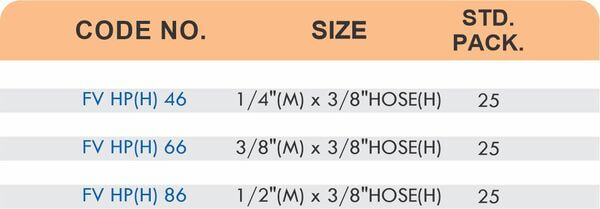
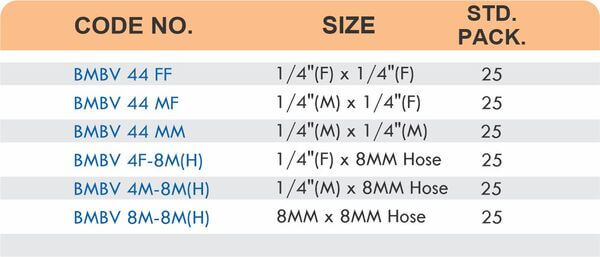
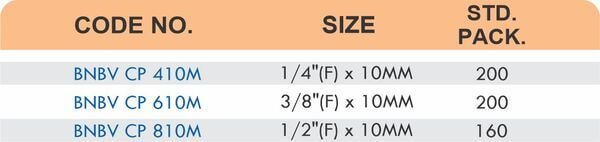
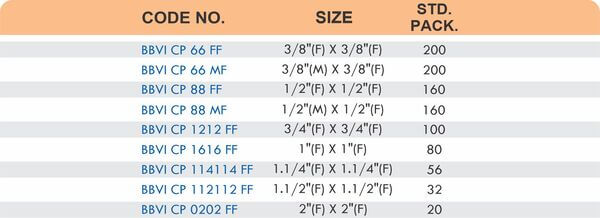
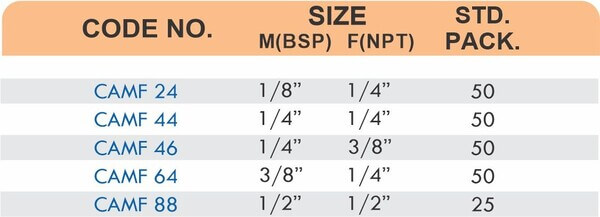
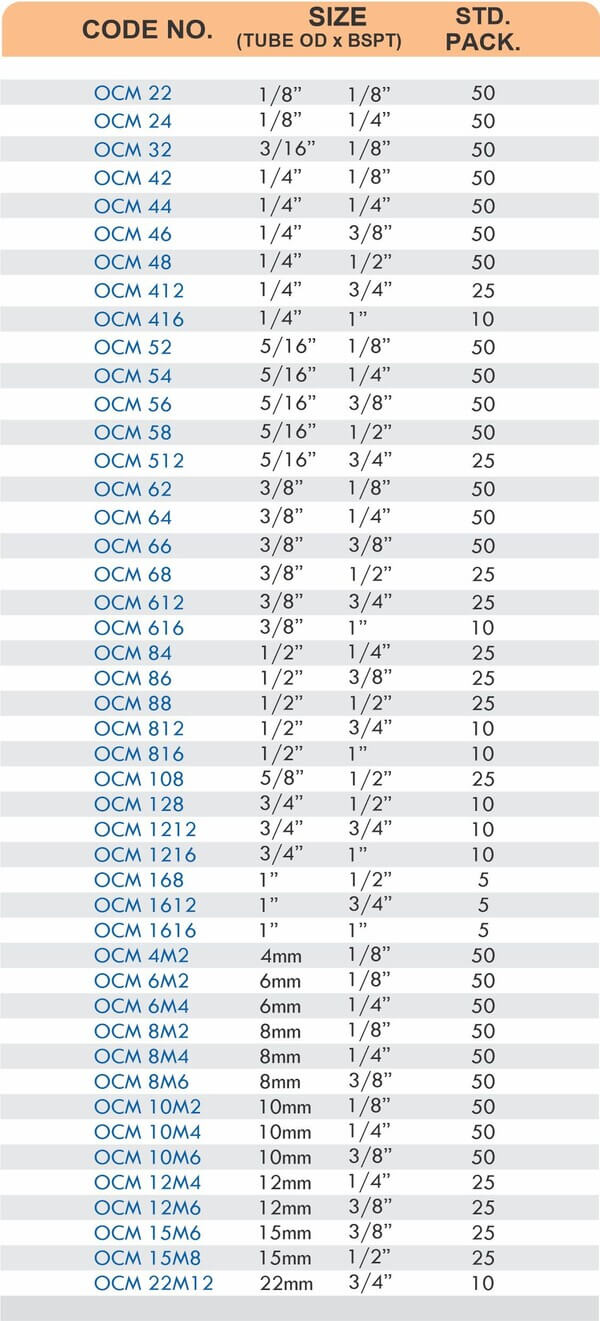
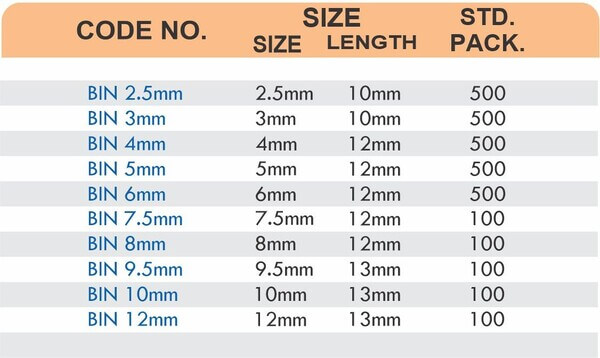
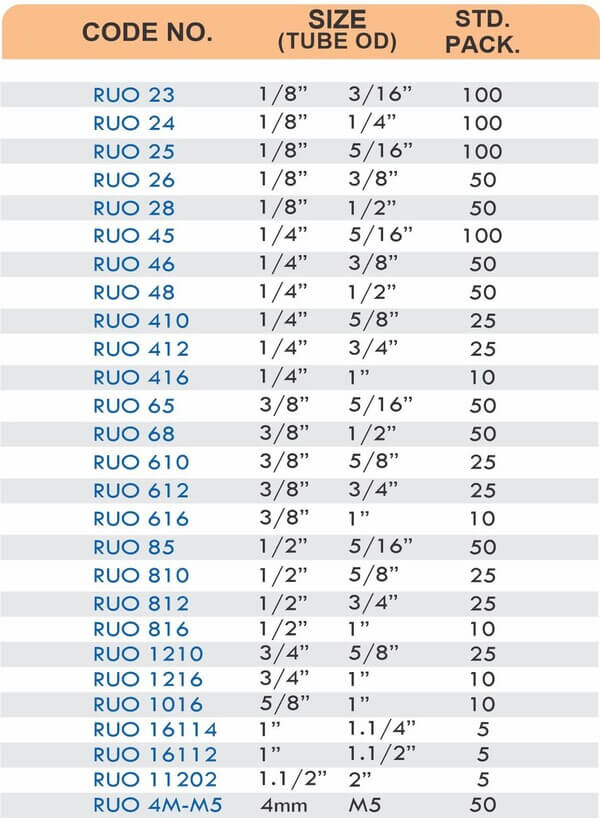
The company offers brass ball valves, amongst other brass valves & cocks, fittings, compression fittings, tube fittings etc. This versatility means K K International can cater to many industries and custom requirements.
5.3 Commitment to Quality
K K International emphasizes its engineering expertise, quality control, and customer-centric service, ensuring that its products meet user requirements reliably.
5.4 Export & Global Reach
With export‐oriented operations, K K International serves clients beyond India, which speaks to their capability to meet global standards and logistics demands.
5.5 Known Location & Facility
Operating out of Jamnagar (Gujarat, India), K K International has the infrastructure and manufacturing base that supports precision brass valve production.
5.6 Customization and Industry Coverage
Because they manufacture a wide range of brass valves (including ball valves, gas valves, mini-ball valves, etc.), they are well positioned to serve varied sectors—from residential plumbing to industrial piping.
In short, if you’re looking for a brass ball valve supplier that offers reliability, choice, and a proven track record, K K International is very much worth considering.
6. How to Choose the Right Valve for Your Needs
Even with a competent manufacturer on board, you still need to select the right valve. Here’s a step-by-step guide:
6.1 Determine the Medium & Conditions
Consider the fluid/gas: type (water, oil, gas, chemical), temperature range, pressure rating, corrosiveness, and any special regulatory requirements (potable water, lead‐free).
6.2 Size and Port Configuration
Select the correct valve size for your pipeline. Consider full bore vs standard bore (full bore offers lower pressure drop). Review whether you need a simple two-way valve or a three-way/diverting valve.
6.3 Material Compatibility & Certification
Check the brass alloy used (lead-free options if for potable water), seat material, end connection types (threaded, flanged, welded). Ensure the valve meets relevant standards/regulations.
6.4 Operation Type & Actuation
Decide if manual lever operation suffices or if you need actuation (electric, pneumatic). For quick shut‐off applications, ball valves excel.
6.5 Maintenance & Serviceability
Choose valves with replaceable seats, accessible internals if required for your application. Consider spares availability and manufacturer support.
6.6 Cost vs Life-Cycle Considerations
While budget matters, don’t compromise on quality. Lower cost now may lead to higher downtime, more maintenance or earlier replacement.
6.7 Procurement & Logistics
With a global supplier like K K International you can assess lead times, export packaging, shipping, customs documentation and after-sales support for your region.
7. Installation & Maintenance Tips for Brass Ball Valves
To get maximum life and performance from your brass ball valve installation, here are practical tips:
7.1 Pre-Installation Checks
-
Ensure correct valve size & type for the application.
-
Inspect for damage, burrs or debris before installing.
-
Verify that the connection threads/flanges match the pipeline.
-
Confirm orientation and handle clearances.
7.2 Proper Installation
-
Use suitable thread sealant or tape if required per spec.
-
Don’t overtighten; ensure the valve body itself is not stressed by pipelines.
-
For flanged connections, ensure proper gasket and bolt torque.
-
Operate the valve once (open/close) after installation to check for smooth action.
7.3 Operation Best Practices
-
Use the valve in full open or full closed positions where possible—ball valves are not ideal for long‐term throttling.
-
Ensure handles are clear and accessible for emergency shut-off.
-
Periodically cycle the valve if it remains unused to avoid seat sticking.
7.4 Regular Maintenance
-
Inspect for leaks around stem or body.
-
Check for handle movement or stiffness.
-
Clean or replace seats/seals if serviceable.
-
For corrosive environments, consider protective coatings or purge the system.
7.5 Storage & Spare Parts
-
Keep spares (seats, seals) on hand if it’s critical service.
-
Store valves in clean, dry conditions before use.
-
Protect from physical damage, grit or exposure prior to installation.
8. Final Thoughts
Brass ball valves are a smart choice across a wide range of applications—from plumbing and HVAC to industrial fluid systems. Their combination of durability, ease of operation, leak-tight performance and cost-effectiveness makes them a favorite among engineers, facility managers and system designers.
However, the real value lies not just in the valve design but in who manufactures them. A top-tier manufacturer ensures the material quality, precision of manufacturing, certifications, testing, service support and reliability.
If you are sourcing brass ball valves, consider KK International as a strong candidate: decades of experience, a wide product range, export capability and a strong reputation. When paired with a solid decision process—material assessment, proper sizing, correct installation—you’ll be well-positioned to install systems with long-term reliability and minimal maintenance headache.