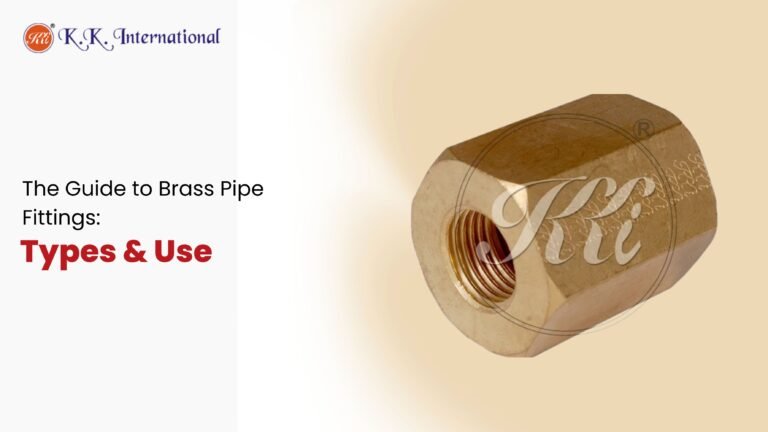
The Guide to Brass Pipe Fittings: Types & Use
Introduction
Pipe system failures cost industries billions annually, and most breakdowns trace back to one factor: wrong fitting choice. Brass pipe fittings eliminate the guesswork by delivering reliable connections across water, gas, and industrial applications without frequent replacement cycles. These components bridge different pipe sizes, change flow direction, and enable system modifications while resisting corrosion better than alternatives.
This guide breaks down the major brass fitting types, their specific uses, selection criteria, and installation practices that separate successful systems from problematic ones.
What Are Brass Pipe Fittings?
Brass pipe fittings are connector components made from a copper-zinc alloy designed to join, redirect, or terminate pipes in fluid handling systems. The material composition provides natural corrosion resistance while maintaining structural strength under pressure. Unlike plastic fittings that degrade under heat or steel fittings that rust, brass maintains integrity across temperature ranges while offering a smooth internal surface that doesn’t restrict flow.
The warm golden appearance also makes brass fittings visible during inspection, unlike hidden corrosion in coated steel. Manufacturing standards determine performance—cast brass handles low-pressure residential applications, while forged brass withstands high-pressure industrial demands.
Types of Brass Pipe Fittings
Elbows
Elbows change pipe direction without sharp bends that restrict flow. The two standard angles are 90-degree for perpendicular turns and 45-degree for gradual direction changes. These fittings prevent kinking in tight spaces like wall cavities or under equipment where straight runs aren’t possible.
Tees
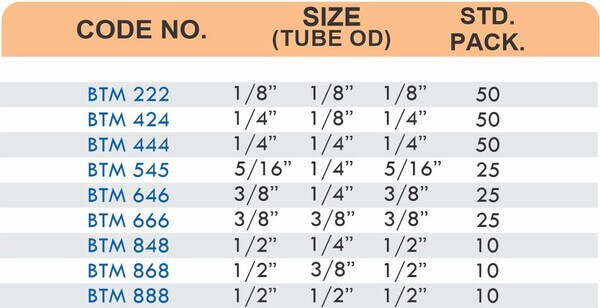
Tee fittings branch one pipe into two or more directions, creating distribution points in water supply networks. Reducing tees connect pipes of different diameters at branch points. Cross tees split flows equally into four directions for complex manifold systems.
Couplings
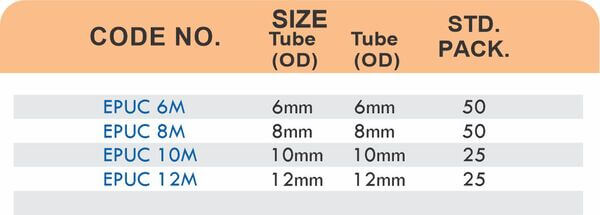
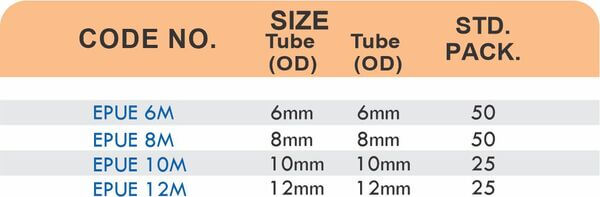
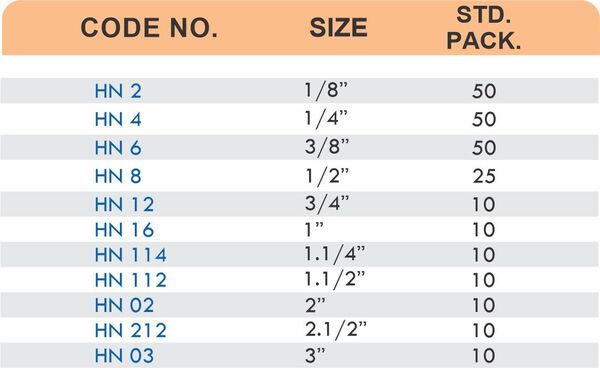
Couplings join two pipe sections in a straight line, extending runs without precise cut measurements. They allow disassembly for maintenance or system modifications. Standard couplings connect same-diameter pipes, while reducing couplings transition between sizes.
Unions
Unions create temporary joints that permit easy disconnection for equipment servicing. Unlike couplings that require cutting pipes for removal, unions unscrew without disturbing adjacent connections. They’re essential where pumps, filters, or valves need regular maintenance access.
Adapters
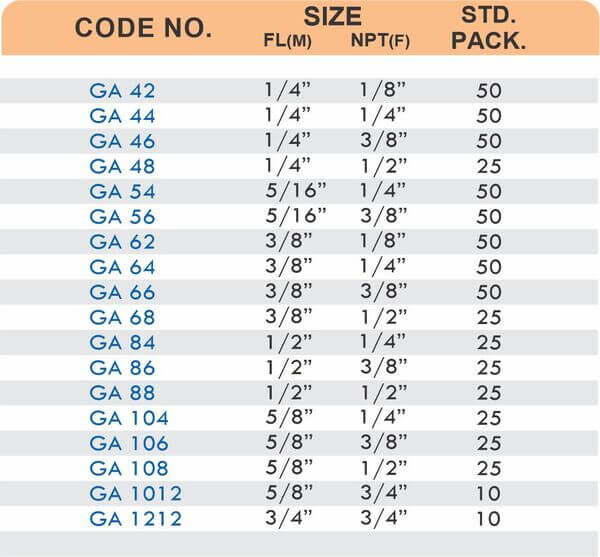
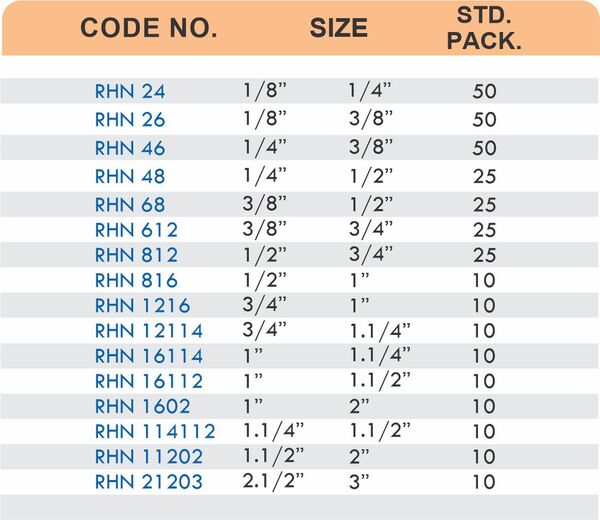
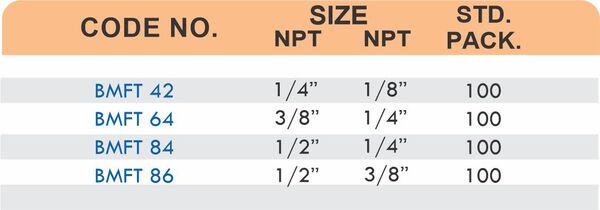
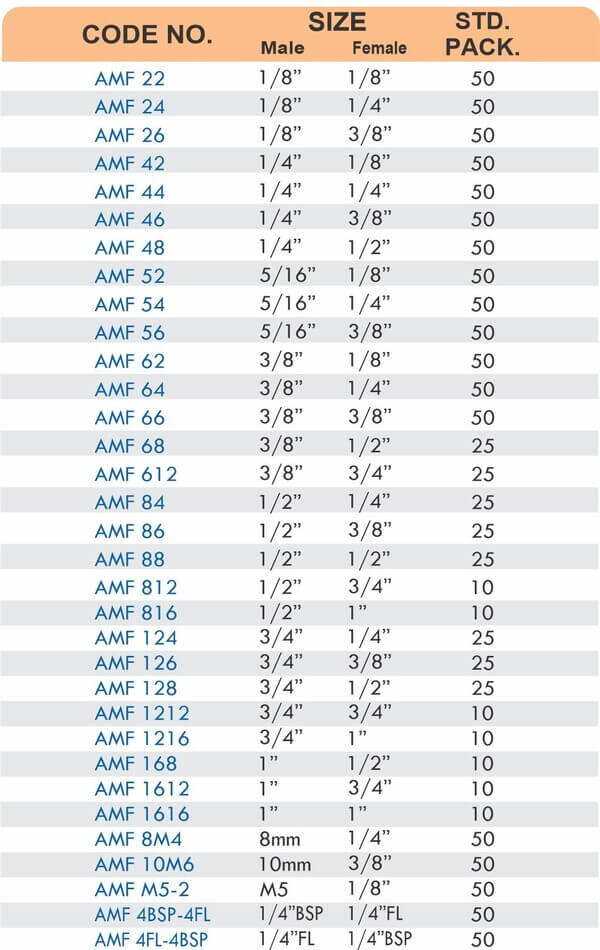
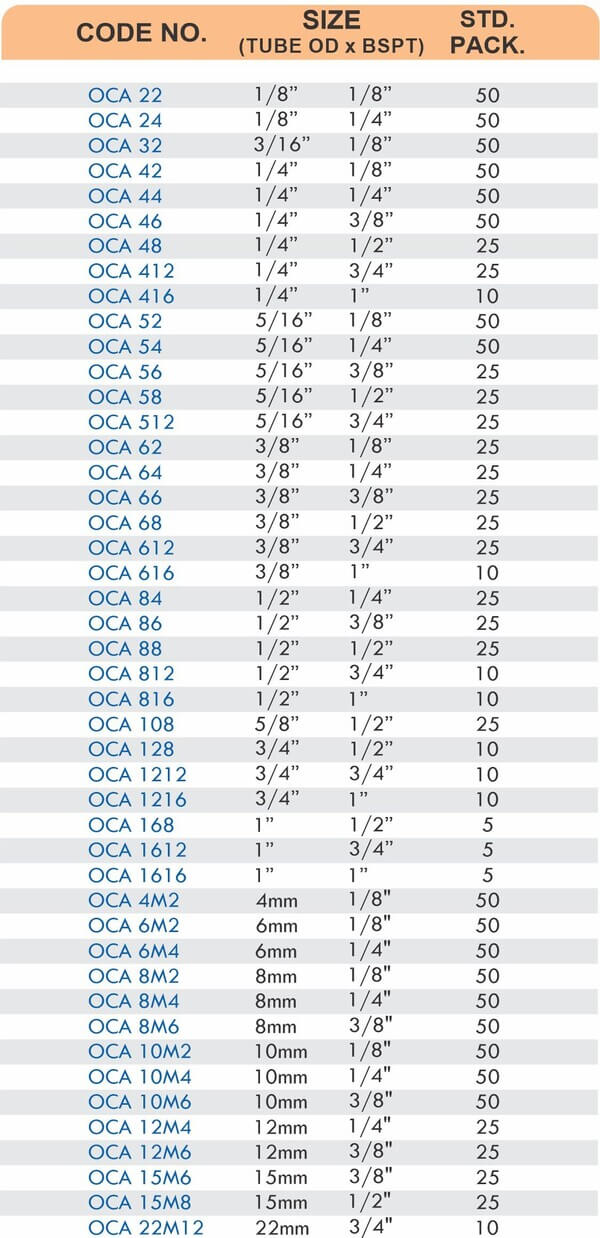
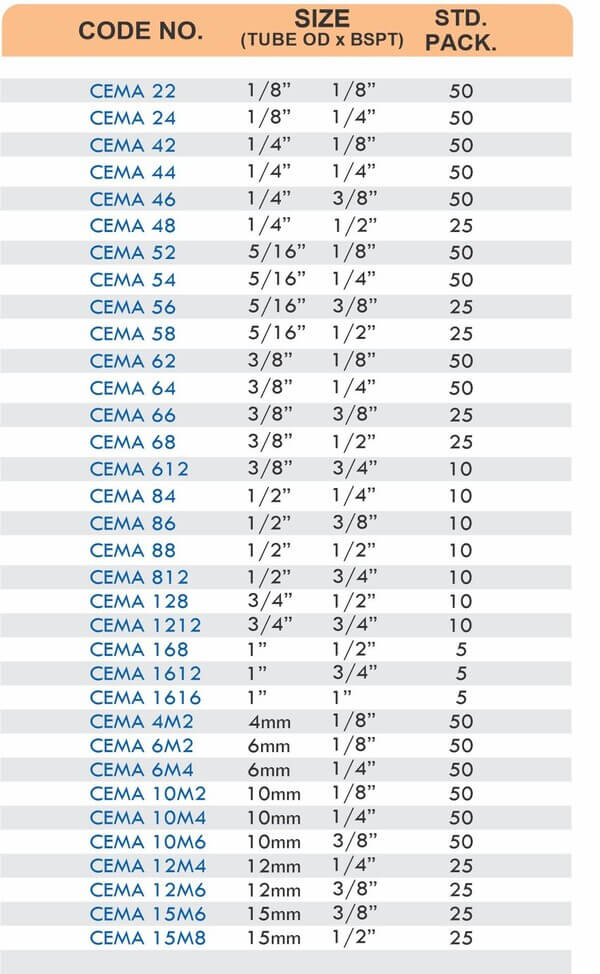
Adapters bridge incompatible pipe sizes or connect pipes to valves and equipment. Eccentric reducers offset centerlines for better drainage flow. These fittings solve retrofit challenges when upgrading portions of existing systems.
Caps and Plugs
Caps seal pipe ends with external threading, while plugs fit internal threads. Both prevent debris ingress during installation or create termination points for future expansion. Caps work for temporary closures during pressure testing.
Compression Fittings
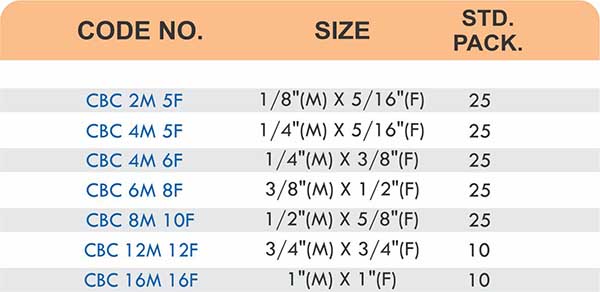
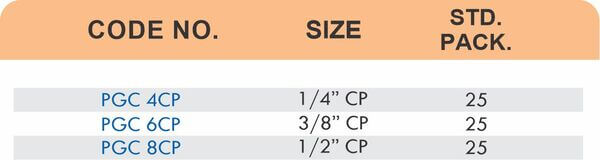
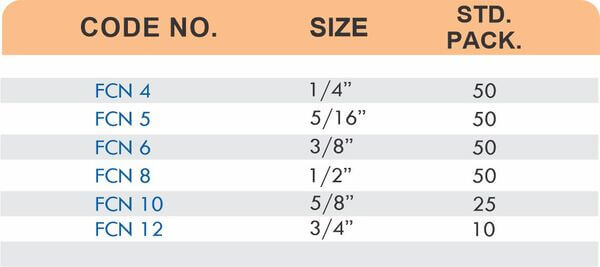
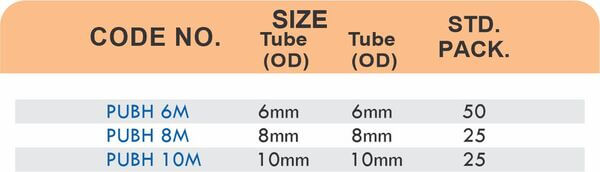
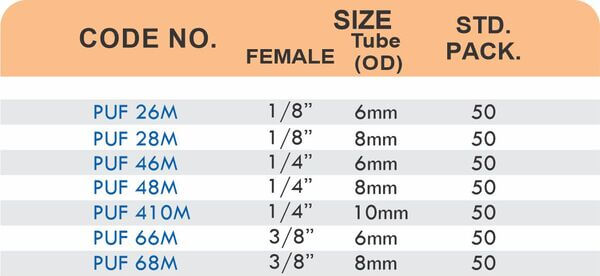
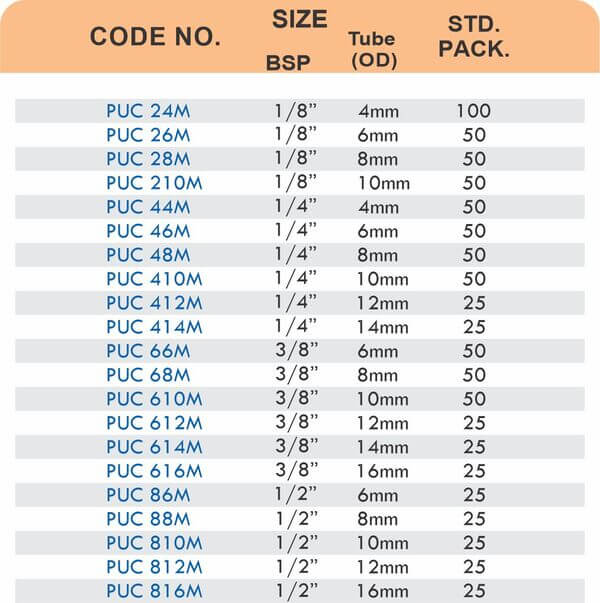
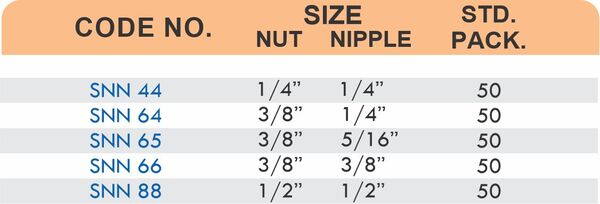
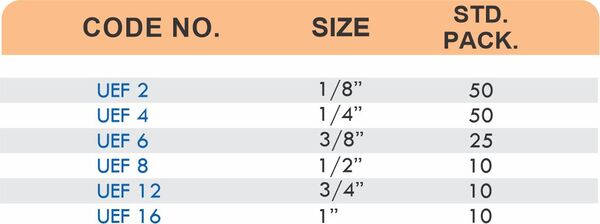
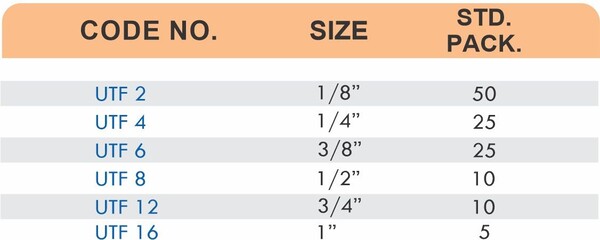
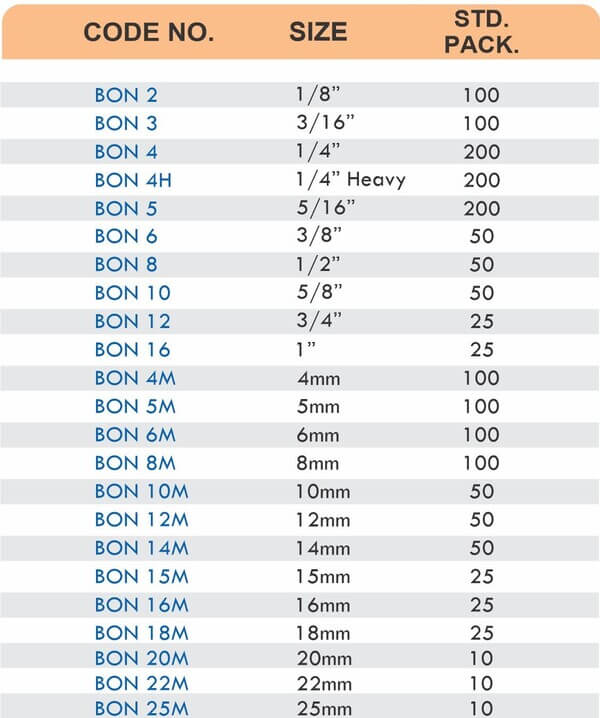
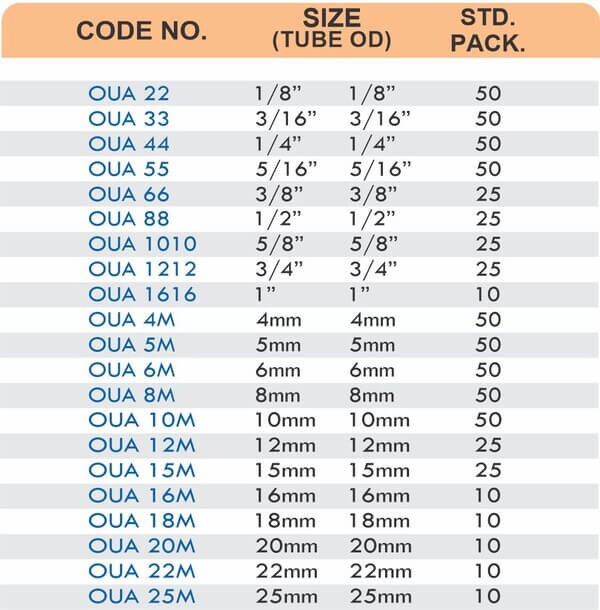
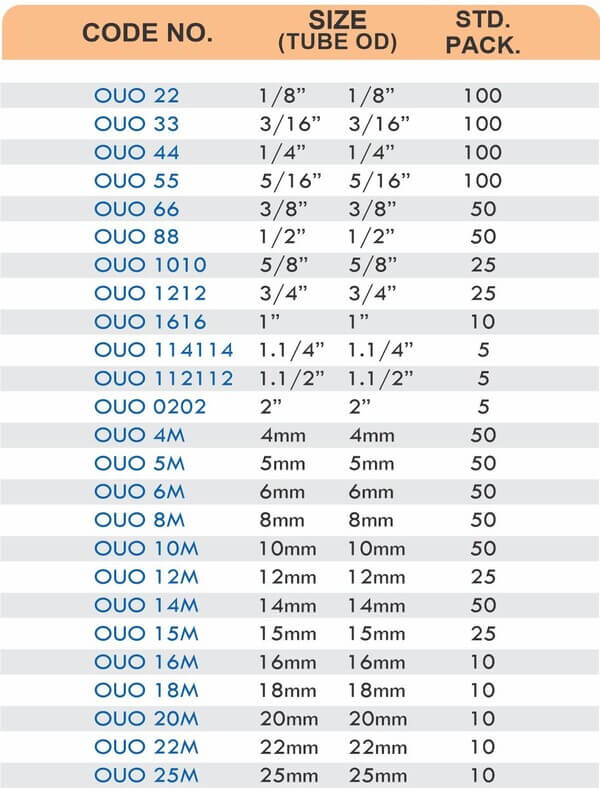
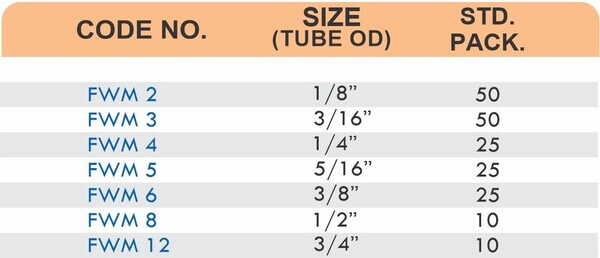
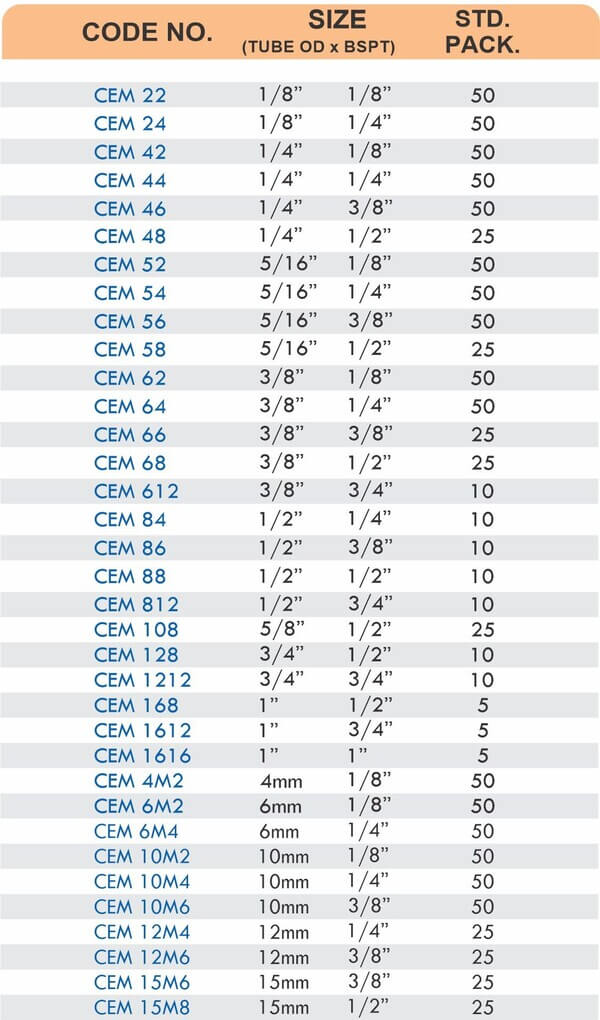
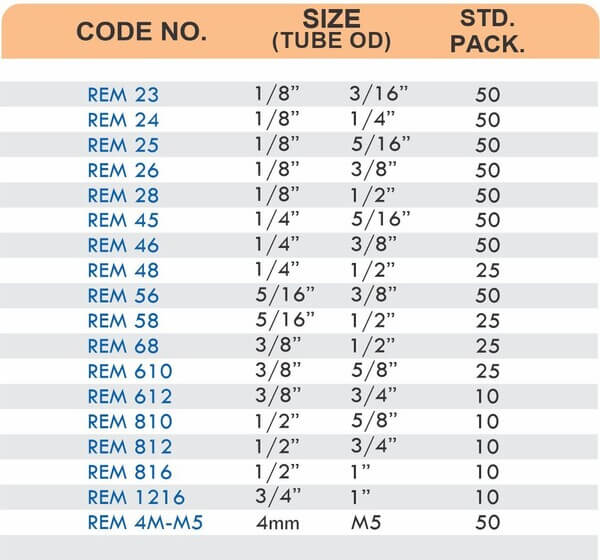
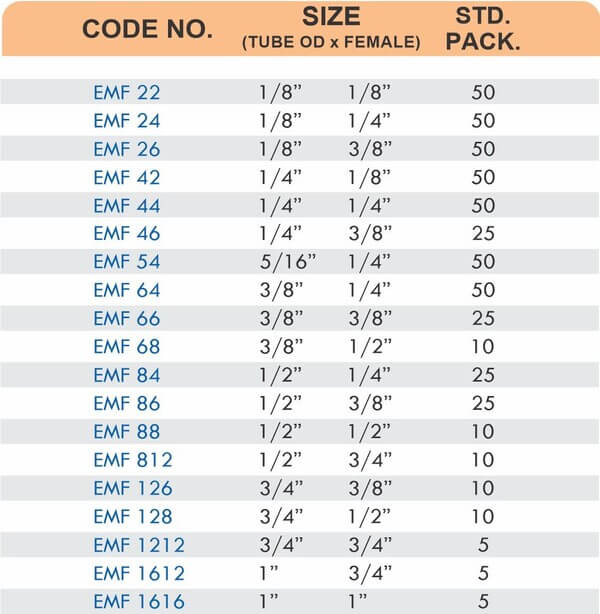
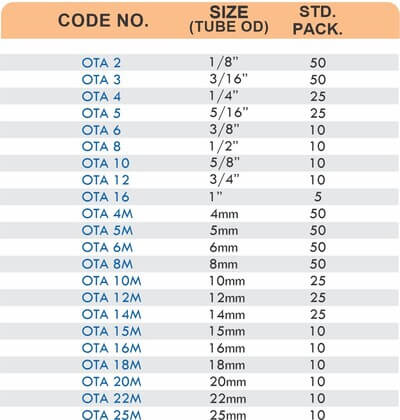
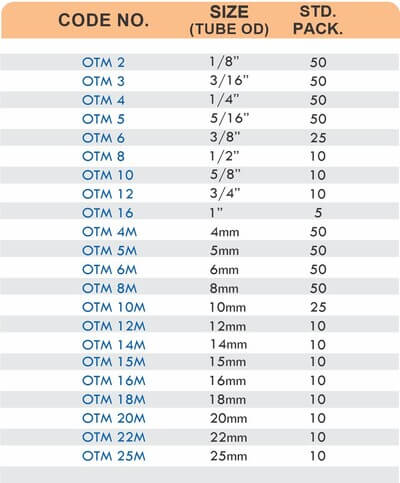
Compression fittings connect small-diameter tubing without soldering. A compression nut forces a ferrule against the fitting body, creating a mechanical seal around copper, polyethylene, or soft tubing. These fittings suit applications requiring frequent disconnection like ice makers or water softeners.
Flare Fittings
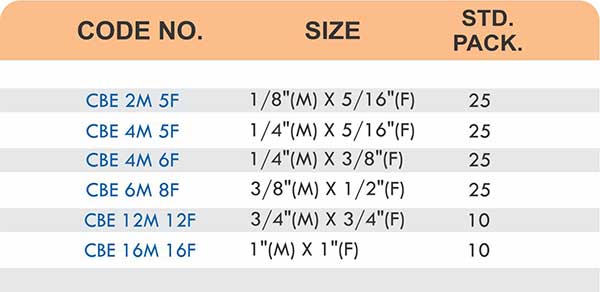
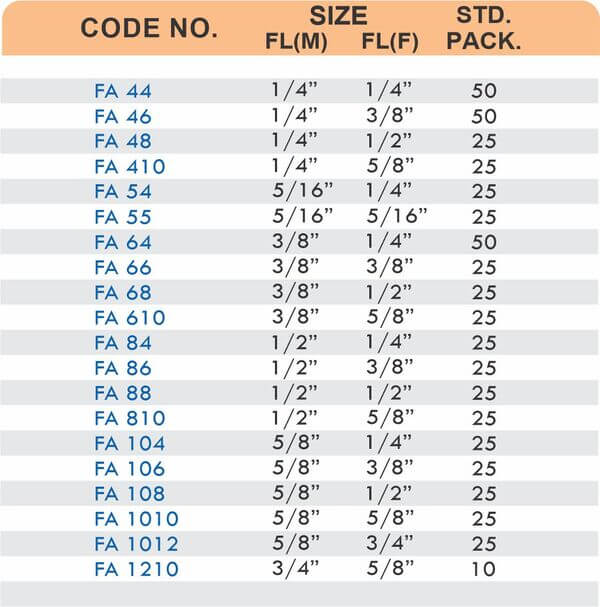
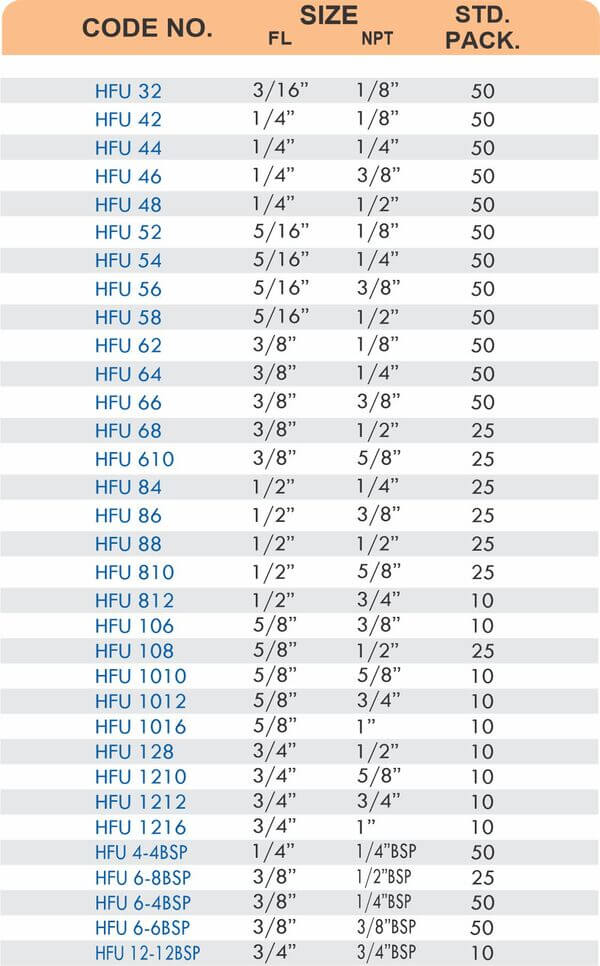
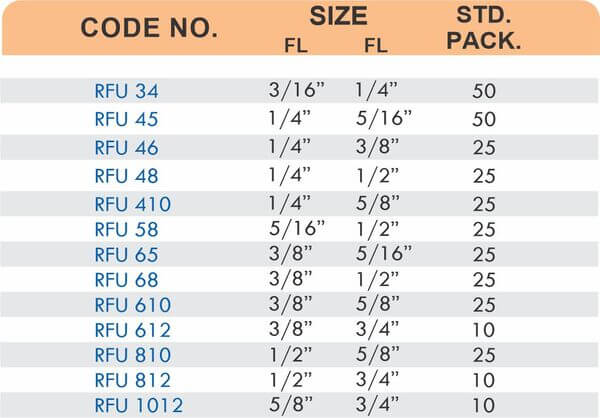
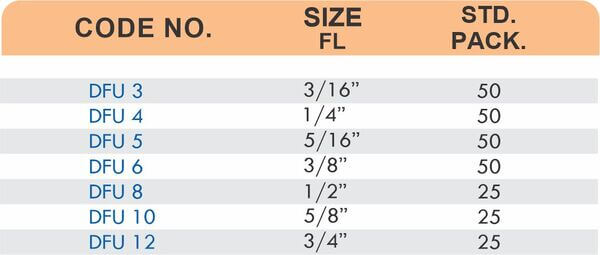
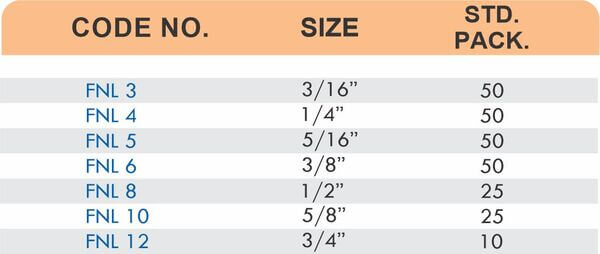
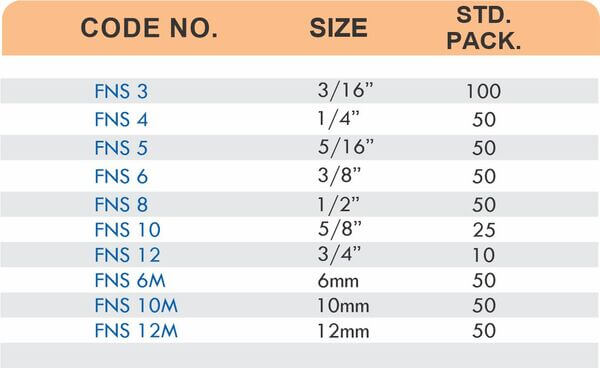
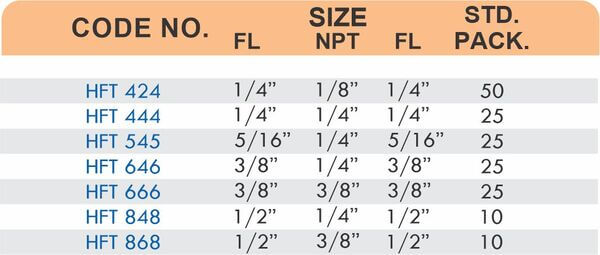
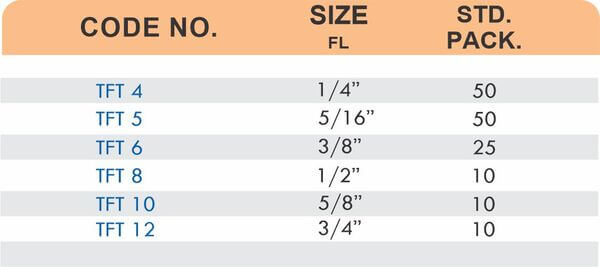
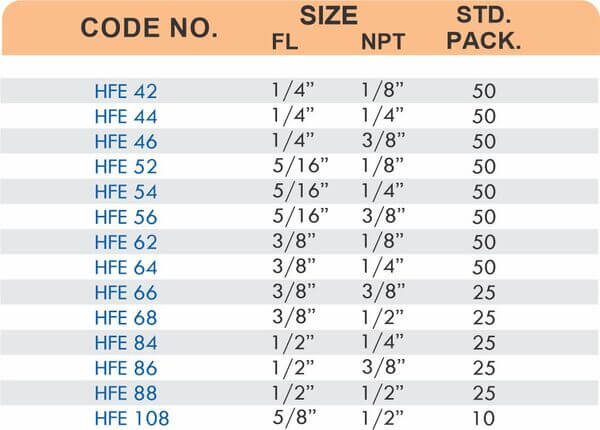
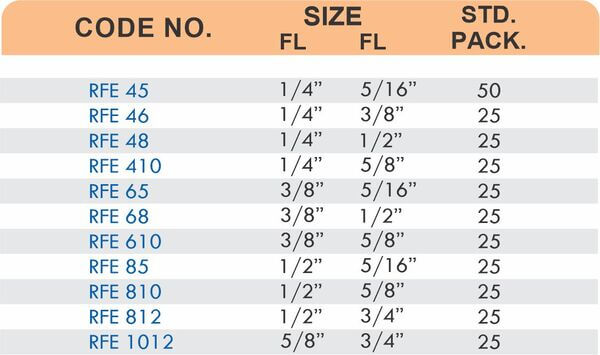
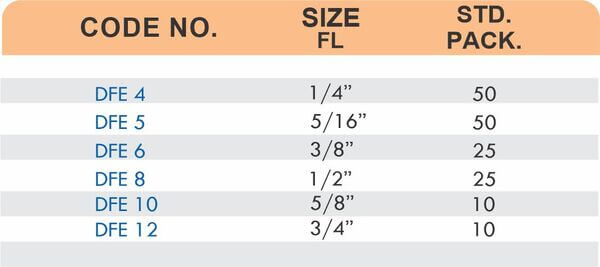
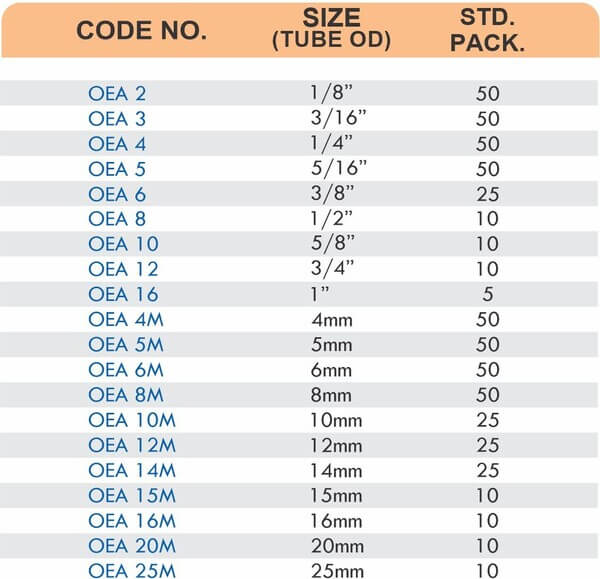
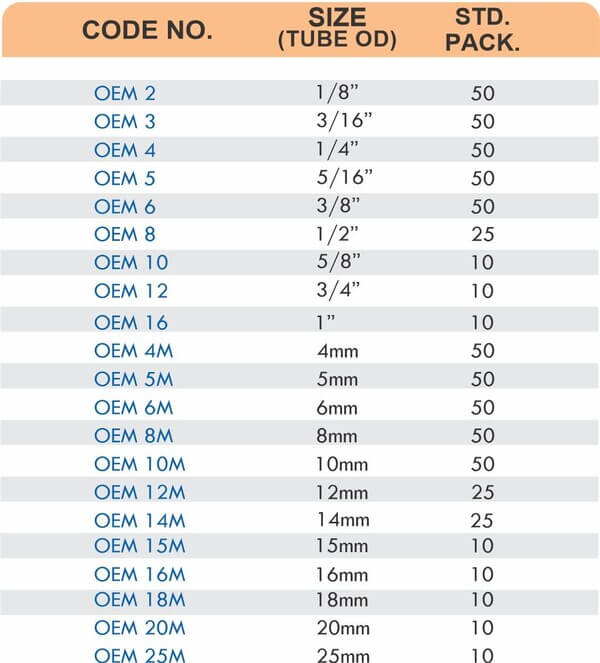
Flare fittings require specialized tools to expand tubing ends before connection. The flared end presses against the fitting body when the flare nut tightens. Refrigeration, air conditioning, and gas lines use flare fittings where vibration resistance matters.
Hose Barbs
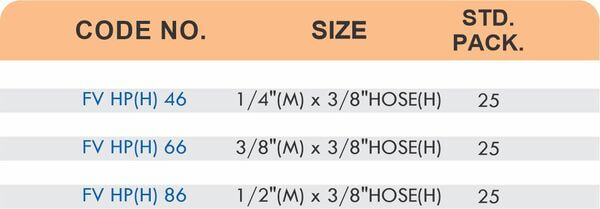
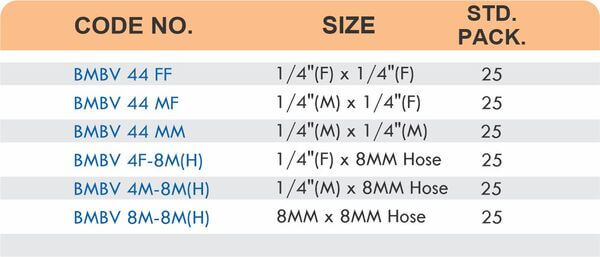
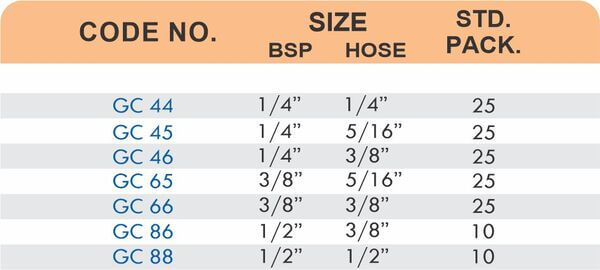
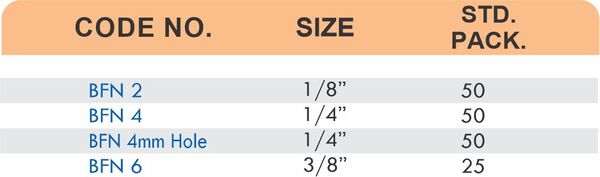
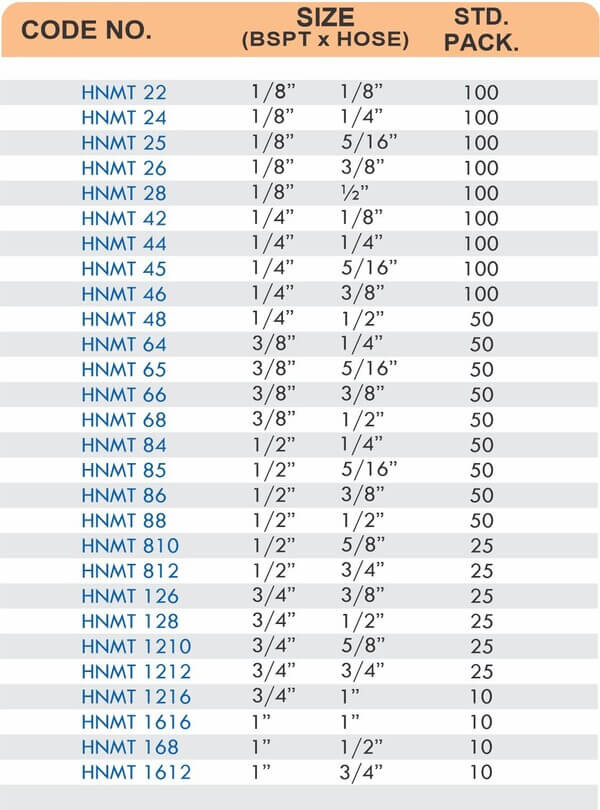
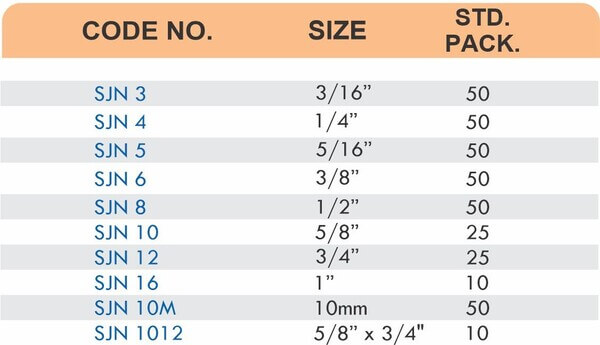
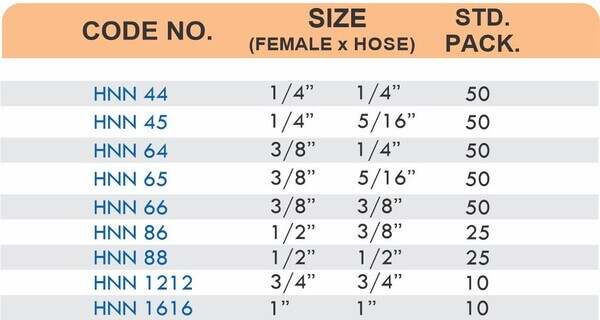
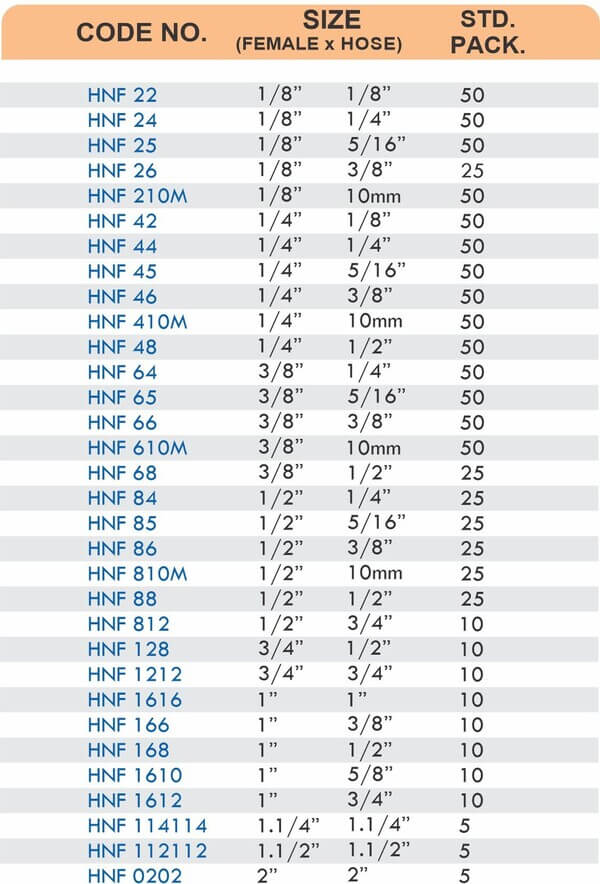
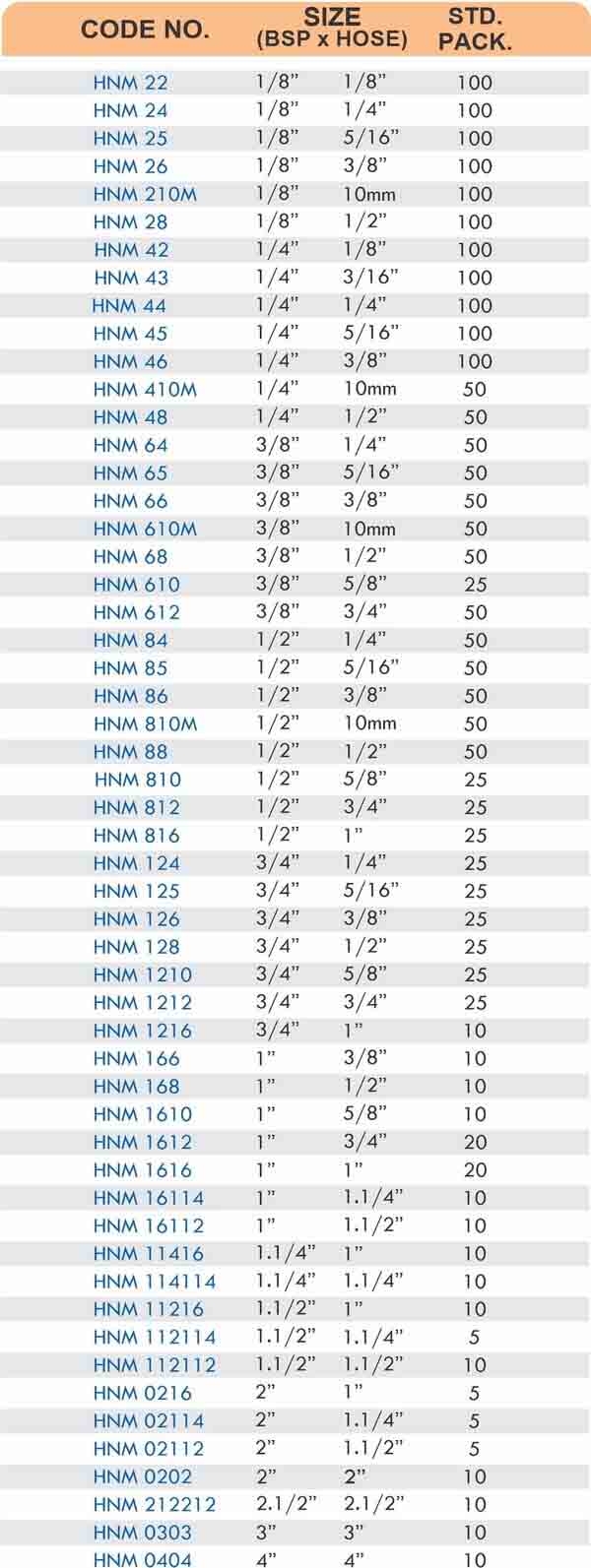
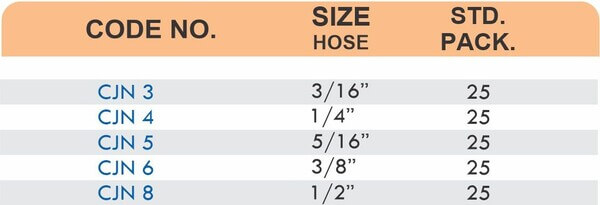
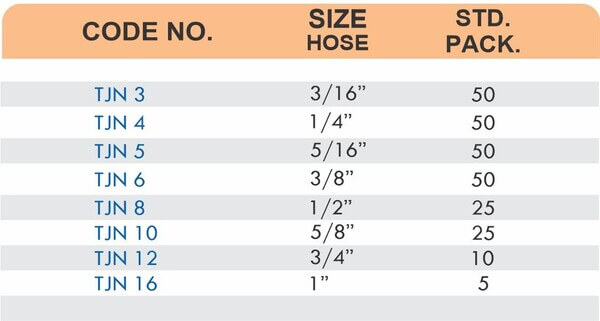
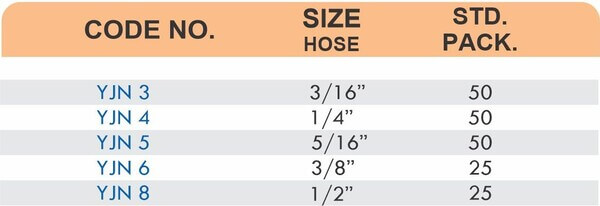
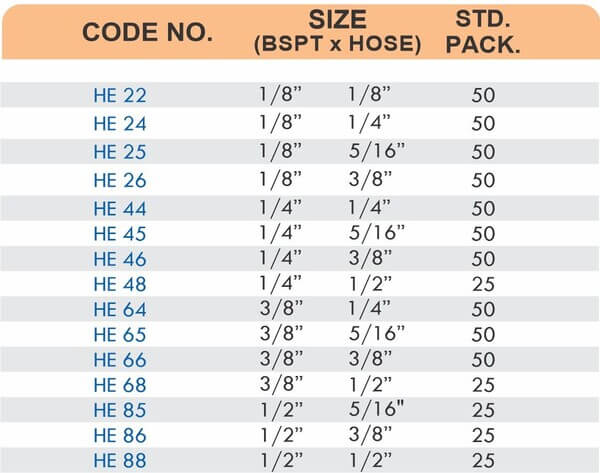
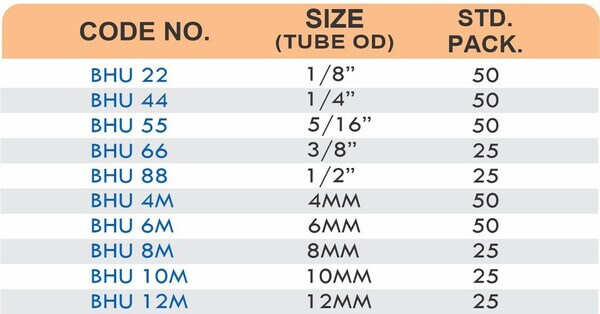
Hose barbs feature tapered or ribbed surfaces that grip flexible hose interiors. The threaded or plain opposite end connects to rigid piping. Irrigation systems, fuel lines, and vacuum applications rely on barbs for secure hose-to-pipe transitions.
Common Applications
Brass fittings dominate potable water systems because lead-free variants meet drinking water safety standards. Natural gas and propane distribution lines use threaded brass fittings with appropriate sealants rated for fuel service. HVAC refrigerant lines depend on brass compression and flare fittings that resist chemical interaction with coolants.
Industrial systems handling oil, grease, and compressed air benefit from brass’s resistance to petroleum products and oxidation. The material doesn’t spark, making it suitable for explosive environments. Research shows brass fittings in properly maintained systems last 40+ years without replacement, outperforming galvanized steel by decades.
Selection Criteria
Match fitting type to connection method—threaded for permanent joints, compression for accessible points, unions for serviceable equipment. Verify pressure ratings exceed system demands; forged brass handles higher pressures than cast varieties. Temperature ranges matter in steam or hot water applications where standard brass performs poorly above 250°F.
Lead-free certification is mandatory for potable water under most plumbing codes. Check compatibility with pipe material—brass threads work with brass, steel, and galvanized pipes but require dielectric unions when joining to dissimilar metals that cause galvanic corrosion.
Installation Best Practices
Cut pipes square using proper tube cutters, not hacksaws that create uneven ends. Remove all burrs from inside and outside edges with deburring tools. Apply thread sealant or plumber’s tape to male threads only—never to female threads where it can enter the system.
Hand-tighten fittings first, then add wrench turns according to size specifications. Over-tightening cracks fittings or strips threads; under-tightening causes leaks. For compression fittings, insert tubing until it stops, then tighten the nut while holding the fitting body stationary with a second wrench.
Test systems under pressure before concealing connections. Even properly installed fittings can leak if debris prevents full seating.
Maintenance and Longevity
Inspect visible fittings annually for green oxidation (verdigris) or white deposits indicating corrosion. Tighten connections that show moisture or mineral buildup before leaks develop. Replace fittings with deep pitting or thread damage rather than attempting repairs.
Systems in coastal or chemical environments need more frequent inspection because aggressive water chemistries accelerate dezincification. Flush systems after extended shutdowns to remove stagnant water that promotes corrosion.
FAQs
Can brass fittings be used with PEX pipe?
Yes, specific brass fittings designed for PEX work with compression rings or crimp systems. Standard threaded brass fittings require PEX adapters. Verify the fitting specifies PEX compatibility before installation.
Do brass fittings need Teflon tape on all threads?
Thread sealant or tape goes on male threads only. Female threads should remain clean. Use sealants rated for your application—yellow tape for gas, white for water.
How do I know if my brass fitting is lead-free?
Lead-free fittings carry NSF/ANSI 61 certification marks or “LF” stamps. Unmarked fittings should not be used in drinking water systems. When in doubt, request certification documentation from suppliers.
Can compression fittings handle the same pressure as threaded fittings?
Properly installed compression fittings withstand normal plumbing pressures, but threaded fittings generally handle higher pressures. Check manufacturer specifications for exact ratings. Use threaded fittings for main supply lines and compression for branch connections.
What causes brass fittings to crack?
Over-tightening is the primary cause, especially with thin-walled fittings. Freeze damage from water expansion in unheated spaces also cracks fittings. Always drain systems before winter shutdowns in cold climates.
Conclusion
Brass pipe fittings deliver decades of reliable service when matched correctly to system requirements and installed with attention to basic principles. The variety of types—from simple couplings to specialized compression fittings—means you can build or modify systems without compromising on pressure ratings or corrosion resistance. Select based on application demands, not just initial cost.
Start your next plumbing or industrial project with the right brass fittings to avoid costly repairs and system downtime.
K K International manufactures precision brass pipe fittings across all major types and sizes, meeting international quality standards for residential, commercial, and industrial applications. Our product range includes threaded fittings, compression components, and specialized adapters with guaranteed pressure ratings and lead-free certification for potable water systems. Visit kkinternational.co.in to explore our complete catalog, request technical specifications, and connect with our engineering team for custom solutions tailored to your project requirements.